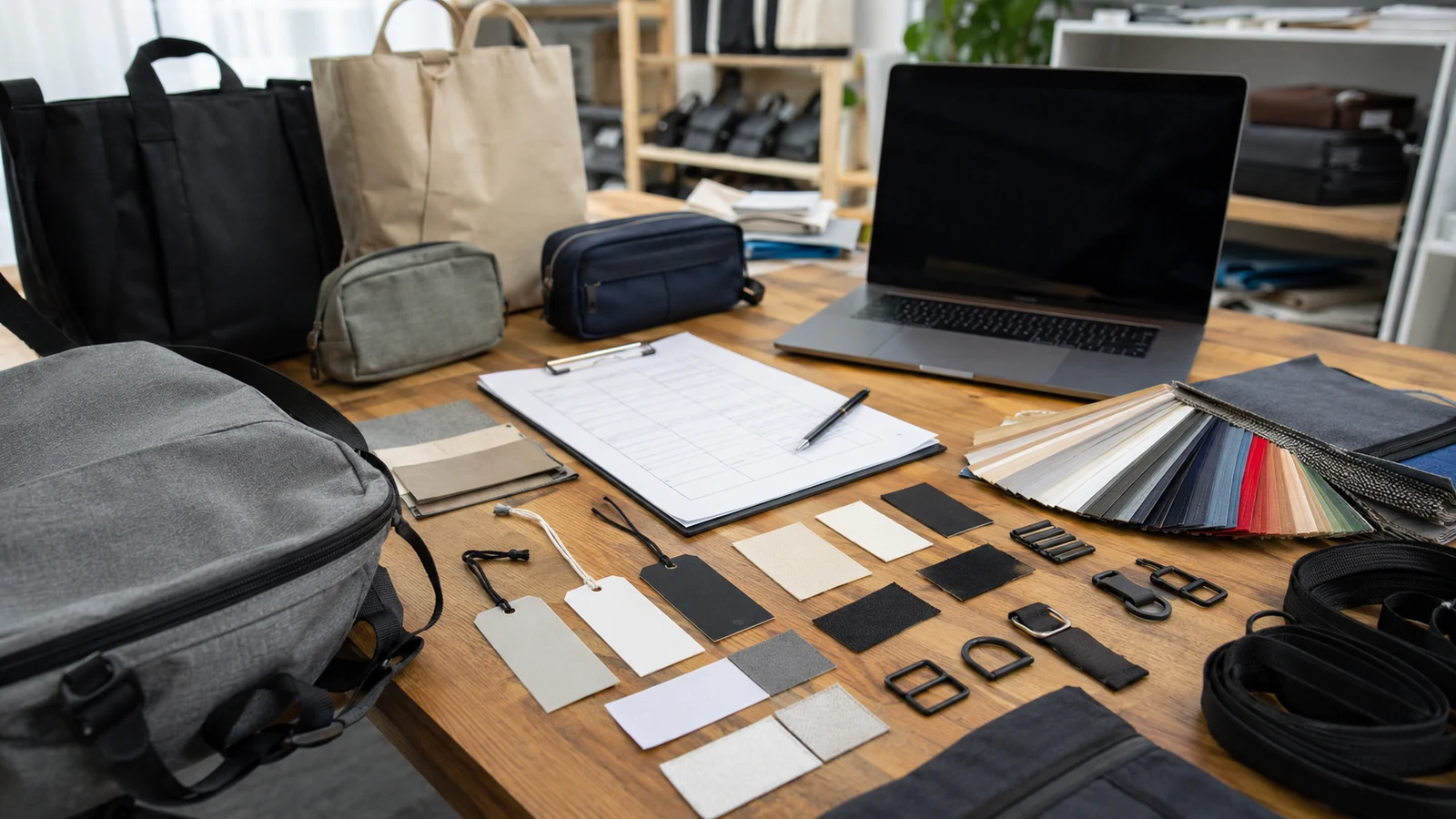
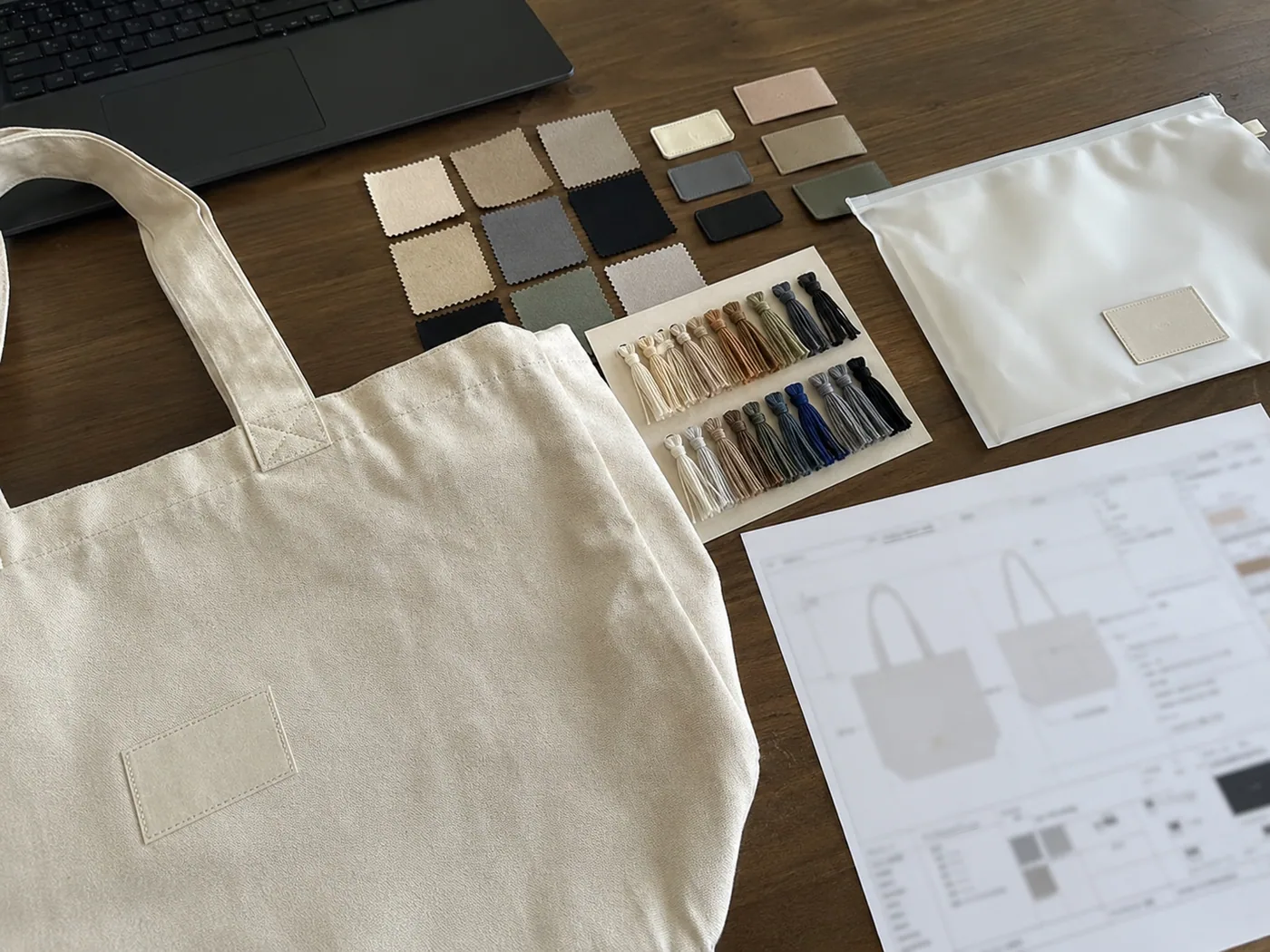
A private label bag manufacturer is not simply a supplier that adds a logo. For a B2B brand, private label development involves choosing a workable bag direction, adapting materials and trims, confirming branding methods, preparing packaging, and setting quality expectations that fit the target market. The process can be efficient when the buyer understands which decisions must be made before quotation and which details can be refined during sampling.
Private label programs often serve fashion brands, lifestyle retailers, promotional ranges, boutique labels, resort programs, online brands, and corporate merchandise teams. The common goal is to build a branded line without carrying every technical burden of fully custom product engineering. Connect5 Bags supports buyers that need a structured route from product direction to sample review, production planning, inspection, and export coordination.
What private label means in bag sourcing
Private label sits between stock buying and full OEM development. The buyer may start from a bag category, a reference silhouette, or a manufacturer-suggested base construction, then customize brand-facing details. These details may include material, color, lining, zipper puller, logo label, metal plate, hangtag, dust bag, polybag, carton mark, and retail packaging. The amount of customization should match the order size, target price, and launch timeline.
The private label bag manufacturer page is a useful internal reference for teams that are deciding whether their program must be built as private label, OEM, or ODM. Buyers comparing models can also review OEM vs private label bag manufacturer to align internal expectations before sending an RFQ.
| Route | Brand control | Development workload | Typical customization | Buyer risk to manage |
|---|---|---|---|---|
| Private label | Medium to high | Moderate | Logo, materials, colors, trims, packaging | Brand details must be clearly approved before production |
| OEM | High | Higher | Custom pattern, structure, BOM, trim set, packaging | Incomplete tech packs can cause repeated sample rounds |
| ODM | Medium | Moderate | Adapted construction, materials, branding, function changes | Buyer must confirm what is original and what is modified |
| Stock wholesale | Low | Lower | Limited labeling or packing changes | Differentiation and repeat availability may be limited |
Build the product range before choosing branding
Many private label projects lose time because the brand starts with logo placement before deciding the product architecture. A sourcing team should first define the range: handbag, tote, crossbody, cosmetic pouch, raffia bag, suede bag, backpack, duffel, or travel organizer. Each category has different pattern complexity, material behavior, hardware needs, and inspection points. Reviewing the main bag products page can help buyers map which categories fit the launch plan.
Questions for range planning
- Will the program include one hero SKU or several coordinated silhouettes?
- Does the brand need fashion seasonal colorways, replenishment colors, or corporate brand colors?
- Should the line share one trim family, such as matching zipper pullers and logo plates?
- Will the buyer need retail-ready packaging, e-commerce packing, or bulk packing for later distribution?
- Which target market requirements may affect labeling, fiber content, packaging, or testing support?
A coordinated private label line is usually easier to manage when material and trim decisions are shared across SKUs. For example, the same lining, zipper tape color, logo label, hangtag, and carton structure may be used across several bags. This does not remove the need for SKU-level approval, but it can reduce confusion during purchasing and inspection.
Branding details that affect sampling and quote accuracy
Branding is often treated as a visual decision, but it has technical implications. A woven label needs size, fold type, background color, thread color, and placement. A heat transfer logo needs film compatibility with the material. Embossing depends on material surface, pressure, and logo depth. A metal logo plate needs mold planning, finish confirmation, attachment method, and edge safety review. Even a hangtag needs string, safety pin, paper thickness, artwork, barcode placement, and packing instructions.
Connect5 can help buyers review logo and packaging options, but the buyer should provide artwork files, brand guidelines, placement direction, and target appearance. Hardware and logo trim decisions can be reviewed alongside bag hardware and trims. When branding is complex, it is useful to approve a trim sample before final bag sample approval.
Common private label branding options
- Woven or printed label: Suitable for internal branding, side seam labels, pouch labels, or lining labels.
- Embossing or debossing: Often used on PU, leather-like materials, and some structured patches.
- Metal plate: Creates a visible branded detail but requires review of finish, attachment, and cost.
- Custom zipper puller: Adds brand identity while affecting tooling, MOQ, and lead time.
- Packaging system: Hangtag, tissue, dust bag, polybag, sticker, carton label, and carton mark.
Prepare an RFQ that can be quoted responsibly
A private label RFQ should not ask only for a unit price. It should give enough context for the manufacturer to check whether the construction, materials, trims, packaging, and target quantity fit together. The buyer can start with a simple spreadsheet, but every line should describe the SKU, dimensions, target material, lining, logo method, packaging, color plan, and expected order quantity. For early projects, rough quantities are acceptable, as long as the buyer makes clear that they are planning figures.
When the RFQ includes multiple SKUs, ask the factory team which components can be shared and which require separate review. A tote and a pouch may share fabric and label, while a structured handbag may require different reinforcement, zipper, and edge finishing. Clear component mapping helps both sides understand cost drivers and sampling needs.
RFQ checklist for private label bags
- Bag category, dimensions, target use, and reference images.
- Material preference and acceptable alternatives.
- Logo method, logo placement, artwork files, and brand color references.
- Lining, pocket count, strap details, zipper or closure requirement.
- Packaging format, labeling requirements, and carton instructions.
- Estimated quantity by SKU and color, plus target launch schedule.
- Any retailer, marketplace, or importer documentation expectations.
Sampling should confirm more than appearance
The sample stage should confirm whether the bag works as a product, not only whether it looks close to the reference. For private label programs, sample comments should cover material handfeel, structure, logo scale, stitching, zipper operation, lining fit, strap comfort, packaging compatibility, and carton packing logic. It is useful to review the sample development process before internal teams start giving comments, because scattered feedback from design, buying, marketing, and logistics can slow revision.
Private label buyers should also decide who has final approval authority. A buyer, product developer, designer, and compliance team may all comment on the sample, but the factory needs one consolidated comment sheet. This reduces the risk of conflicting instructions, such as changing the logo position while another team approves the previous location.
For private label bags, the approved sample must be treated as a commercial and technical reference. It should represent the product, branding, materials, trims, and packaging assumptions behind the quote.
QC and packaging are part of the brand experience
Private label quality control should reflect the way the bag will be sold and received. A bag packed for online fulfillment may need stronger protection against shape deformation. A retail program may need clean hangtag placement, barcode labels, and carton labeling. A travel or sports bag may require more attention to seam strength, webbing reinforcement, zipper travel, and shoulder strap comfort. The buyer should align the inspection checklist with the real use case.
The quality standards page can help procurement teams define visible defects, functional defects, packing defects, and measurement tolerances. Inspection should not be treated as a separate service that appears only at the end. It must be connected to sample approval, material approval, production comments, and packing instructions.
FAQ
Can a private label bag manufacturer develop multiple bag types in one program?
Yes, but each category should have its own sample and QC review. A cosmetic pouch, tote, and handbag may share brand trims, yet their construction and inspection points are different.
Do we need finished artwork before asking for a quote?
You can begin the discussion with approximate branding direction, but final quote and sample approval will require confirmed artwork, logo size, placement, color, and packaging files. Missing artwork can change cost and lead time.
How many sample rounds are typical?
The number of sample rounds depends on the clarity of the brief, the complexity of the bag, material availability, and the scale of revision comments. Buyers can reduce unnecessary rounds by consolidating feedback and separating must-change items from nice-to-change items.
What must be included in a private label production handover?
The handover should include approved sample reference, BOM, material and color standards, logo files, packaging instructions, carton details, inspection checklist, and any export documentation requirements for the target market.
Plan your private label RFQ with Connect5
To start a private label review, prepare your target bag types, reference images, material preferences, branding files, packaging notes, estimated quantity by SKU, target market, and launch timing. You can share the program through Connect5 contact so the team can review sample needs, component choices, QC expectations, and production readiness.