Material chart

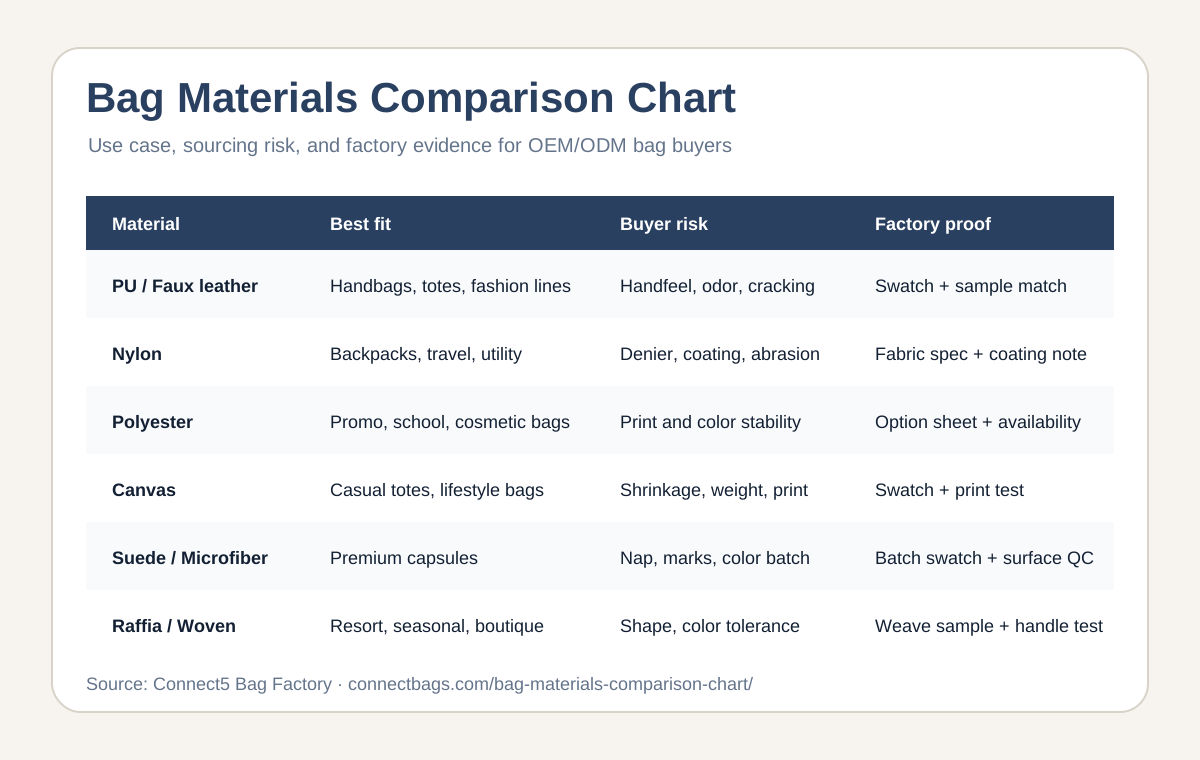
Bag materials comparison chart for OEM sourcing

Material selection changes cost, handfeel, durability, sampling speed, MOQ, and quality risk. Buyers should settle the material direction before asking a factory to quote a custom bag program.

Asset sections

Bring this into the RFQ before the brief drifts

Fashion materials

Fashion-led bags need handfeel, color, trim match, and surface finish approved early.

  • PU and faux leather
  • Suede and microfiber
  • Raffia and woven textures
  • Logo hardware compatibility

Utility materials

Utility programs need specific performance language before sampling.

  • Nylon and polyester
  • Canvas and twill
  • Water-resistant coating
  • Foam and lining choices

Commercial fit

The best material is the one that fits price tier, MOQ, target buyer, and complaint risk.

  • Target retail tier
  • Destination market
  • Color consistency
  • Repeat order availability

Reference table

What the buyer checks and what the factory should prove

Item Buyer check Factory evidence
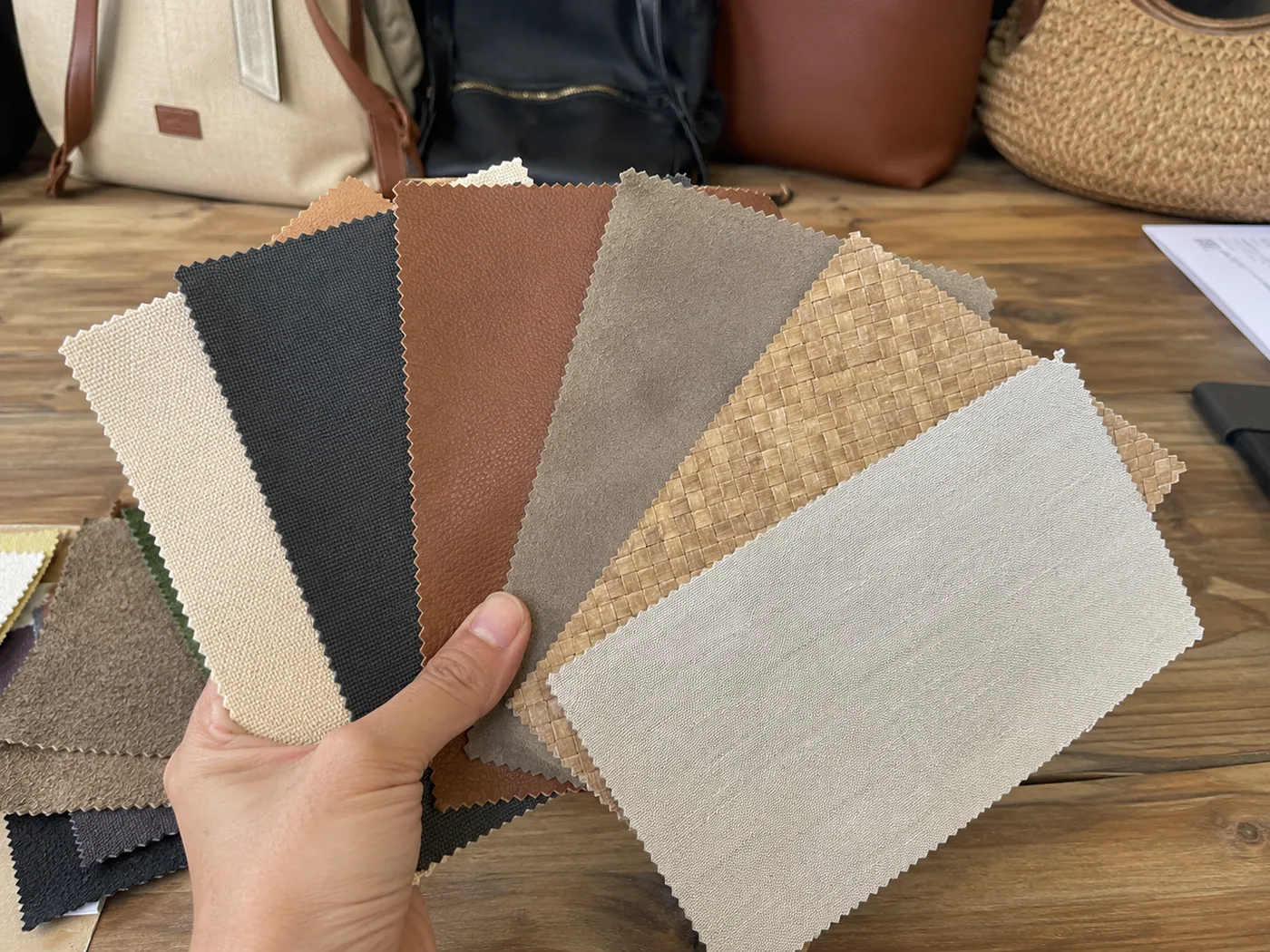
PU / faux leather Handfeel, grain, thickness, color, smell, and crease behavior Swatch card, sample match, and surface inspection
Nylon Denier, coating, water resistance, color, and abrasion need Fabric spec, coating note, and approved sample
Polyester Cost target, print method, lining compatibility, and color stability Material option sheet and production availability
Canvas / cotton Weight, shrinkage, print behavior, and casual texture Pre-production swatch and print test
Suede / microfiber Nap direction, color batch, surface marking, and care expectation Batch swatch and surface QC record
Raffia / woven Seasonality, natural color tolerance, shape control, and handle strength Weave sample and handle attach review

Original citation asset

Reference the chart page, not the image file

This visual is designed for sourcing blogs, product-development resources, and supplier comparison pages. If another site cites it, the preferred credit link should point to this full page so readers get the context, checklist, and RFQ path.

Download materials chart
Bag materials comparison chart for OEM sourcing
Original Connect5 chart comparing common bag materials by use case, sourcing risk, and factory evidence.

Copy checklist

Points to cover in the next buyer-supplier call

  • Choose material by use case, not only by photo appearance.
  • Ask for swatches before approving color-sensitive programs.
  • Confirm lining, padding, coating, and trim compatibility.
  • Separate fashion finish from performance promises such as waterproofing.
  • Check whether custom color or custom texture changes MOQ.
  • Keep approved material records tied to the final production sample.

Embed this materials comparison chart

Cite the asset page, not an image file

If another site references this asset, the link should point to the full page so buyers see the context, checklist, and RFQ route.

<a href="https://connectbags.com/bag-materials-comparison-chart/"><img src="https://connectbags.com/assets/link-assets/bag-materials-comparison-chart.svg" alt="Bag materials comparison chart for OEM sourcing"></a><p>Source: Connect5 bag materials comparison chart</p>

FAQ

Questions buyers usually ask about this resource

Which bag material is best for OEM production?

There is no single best material. PU, nylon, polyester, canvas, suede, and raffia each fit different price tiers, use cases, durability needs, and sampling risks.

Why do material choices change MOQ?

Custom color, custom texture, special coating, uncommon lining, or low-availability trim can require higher material minimums before production starts.

What should buyers approve before bulk production?

Approve outer material, lining, trim, color, coating, handfeel, logo method, and the final production sample before bulk cutting.

Email WhatsApp
Online Chat

Talk to Connect5 on this page

Connect5 online support

Leave your message here and the factory team can follow up from the lead queue. You can also use the email fallback anytime.