China team
480+
Development, sampling, and technical review.
Factory capabilities
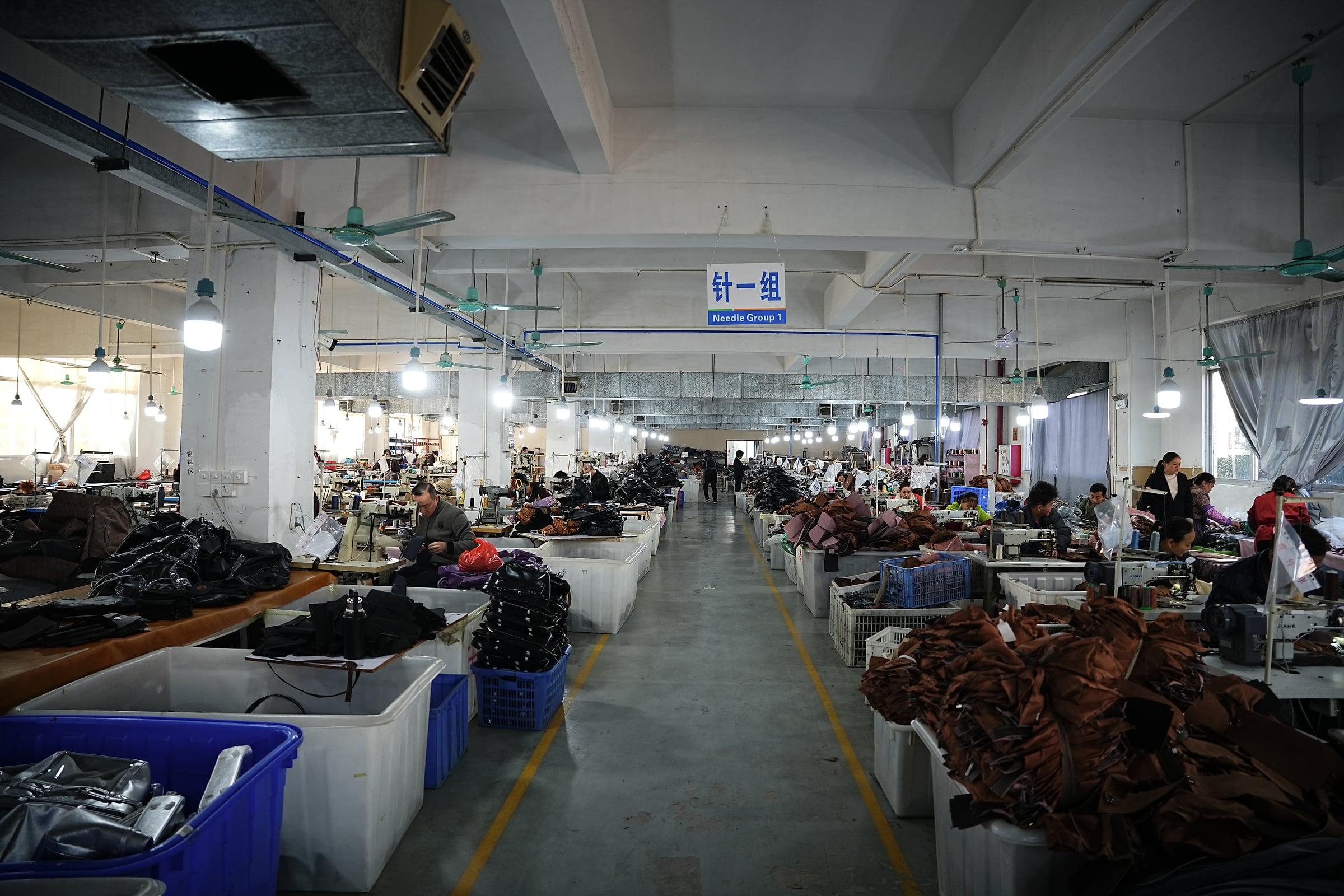
Read the operating route before the sales claims: where a brief becomes a sample, where approval is recorded, and where production, inspection, packing, and export handoff take place.
China team
480+
Development, sampling, and technical review.
Cambodia team
620+
Production lines, packing, and export programs.
Typical sample lead
7–10 days
When specifications and materials are ready.
Combined monthly output
500K+ pcs
Across the stated dual-factory setup.
Certification, audit, and membership entries are supplied by Connect5 and are not independently verified on this page; request the factory proof pack for current certificate scope and dates.
Key takeaways
How to use this page
Sourcing teams usually compare sample lead, QC logic, and the production split before they ask for final costs. The page is structured for that sequence.
Use when the capability question is about China-side handbag sampling, MOQ, trim, packaging, and export readiness.
Use when the buyer needs silhouette control, material matching, finishing, hardware, and sample approval.
Use when logo hardware, hangtags, dust bags, retail packaging, and brand consistency affect the quote.
Use when fabric weight, logo visibility, handle strength, packing, and repeat-use carry matter first.
Core capability blocks
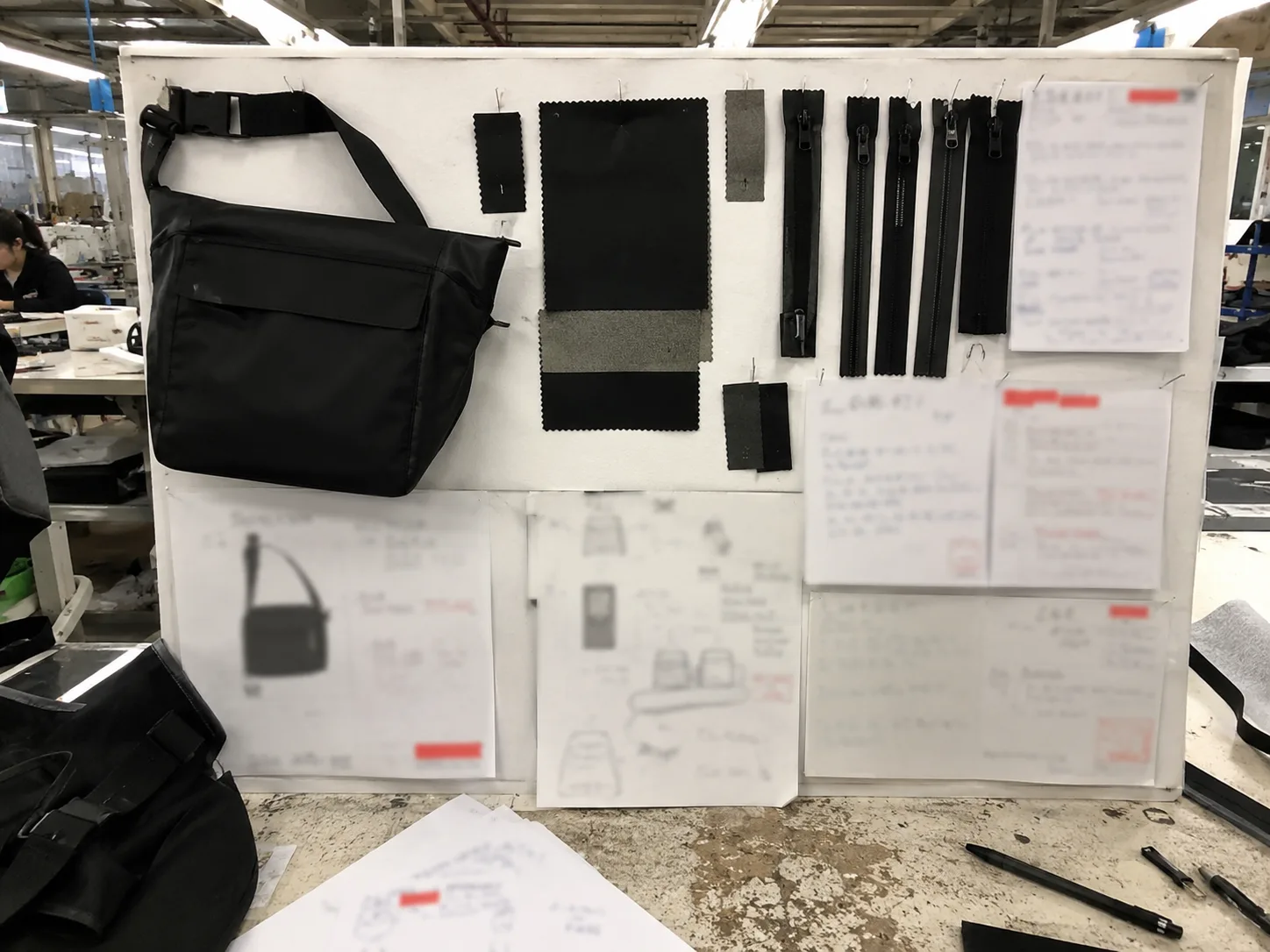
Pattern review, material confirmation, trim matching, and fit adjustments before production approval.
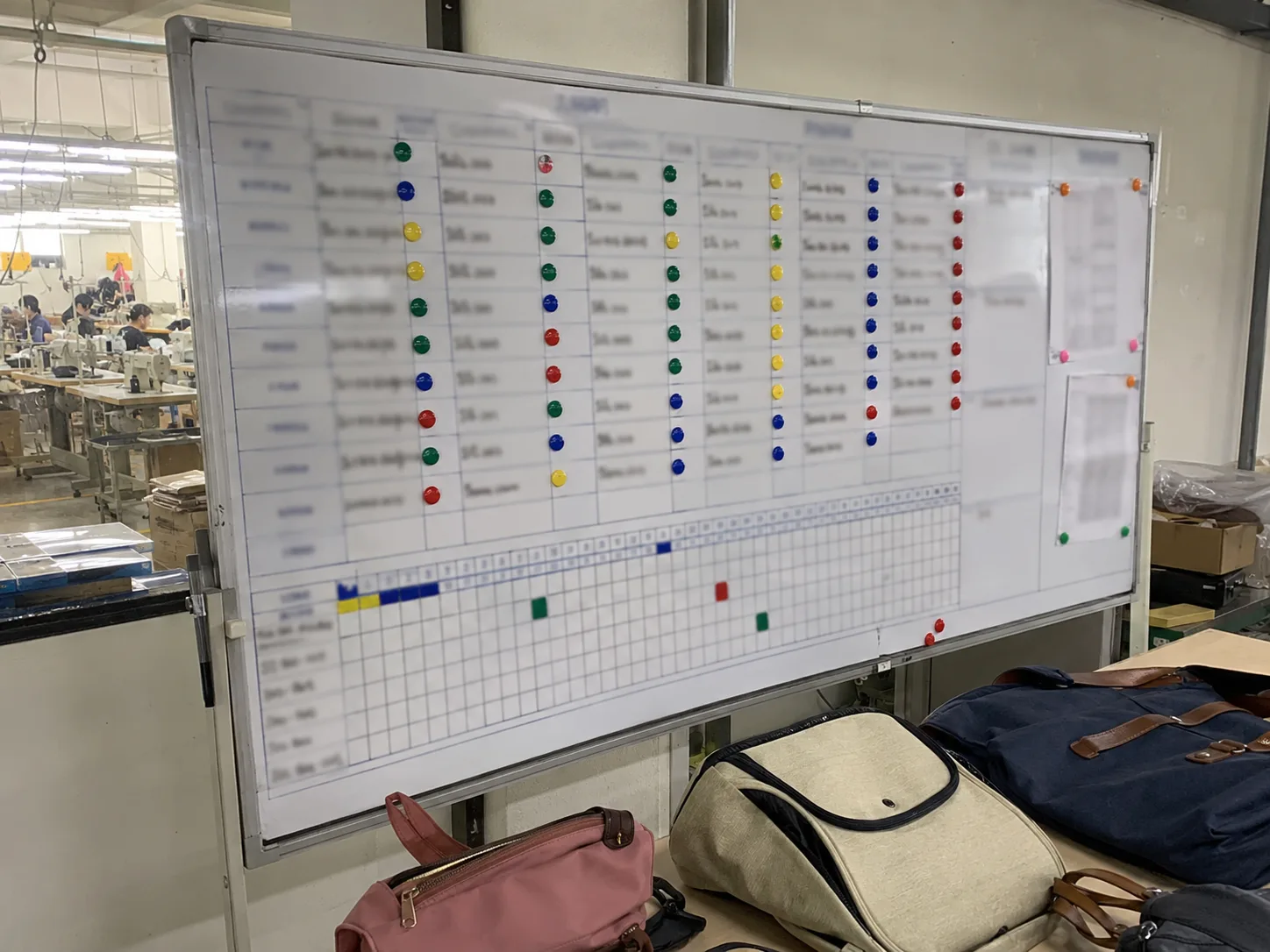
Line planning, sewing, assembly, packing, and export coordination for larger handbag, backpack, and utility-bag programs.
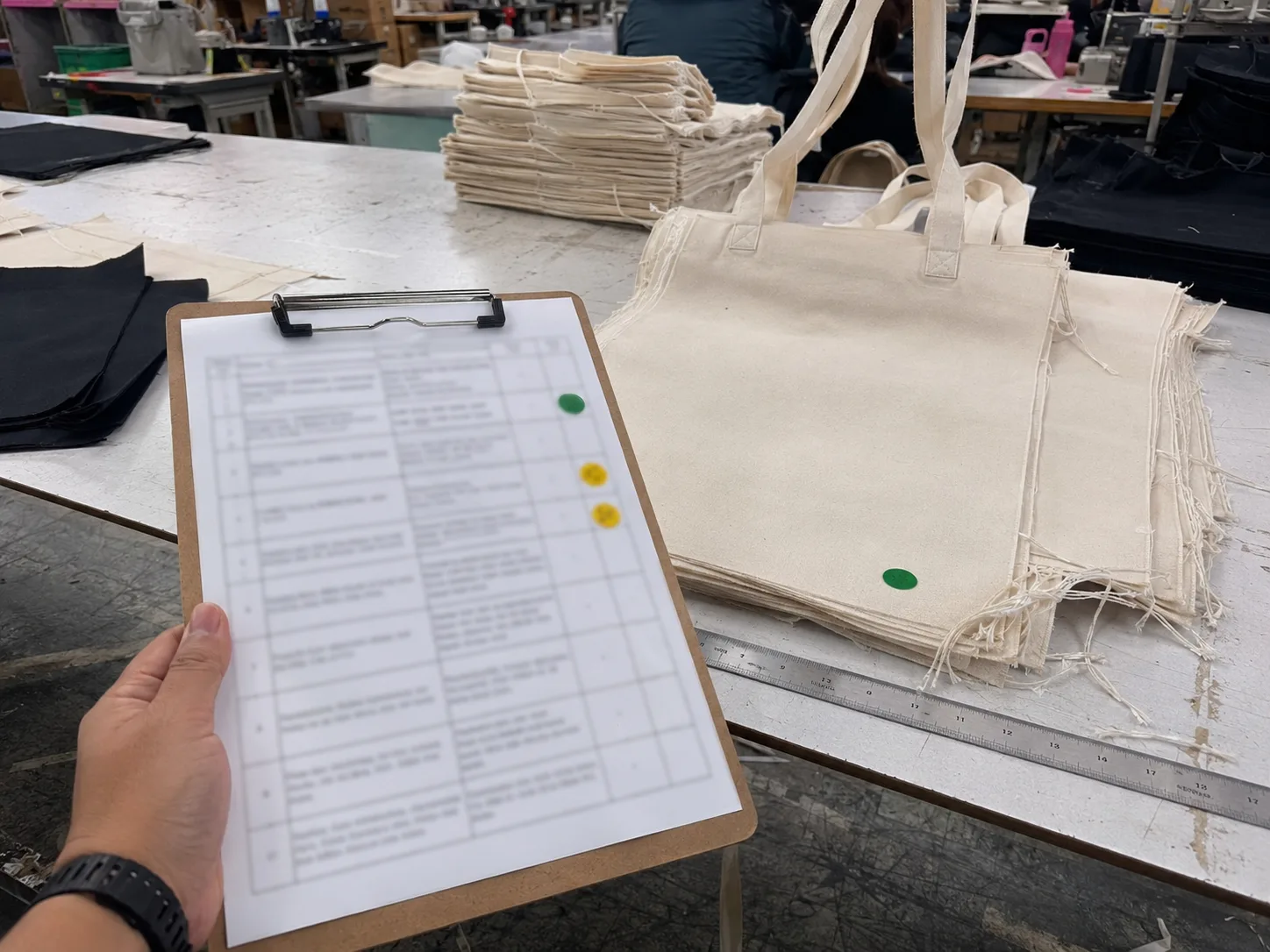
Material traceability, inline checks, final inspection, and factory-side documentation support for sourcing teams.
Citable capability answers
This section keeps the factory story practical: MOQ, materials, sample timing, QC, packaging, and bulk lead are all framed as buyer-facing public answers, not private promises.
Citation route
Use when the answer needs a stable public entity and supplier-verification citation.
Use when the buyer wants the public proof structure for sampling, QC, packing, and release logic.
Use when editors or sourcing teams need a concise public profile with MOQ, sample, and category context.
MOQ
Public starting MOQ is usually 450 to 500 pcs, then category, material, trim, color count, and packaging change the real floor.
Materials
Material direction is confirmed against the brief before quoting, including outer fabric, lining, zipper, webbing, hardware, and recycled-material documentation when relevant.
Sample
A standard sample usually runs about 7 to 10 days when specifications are clear and materials are available, while premium or trim-heavy programs need more review time.
QC
The public QC route is inline inspection during production, final inspection before packing release, and packaging checks before shipment.
Packaging
Packaging is part of the manufacturing quote, from export cartons and folded packing to dust bags, hangtags, barcode labels, and retail sleeves.
Lead time
Bulk production commonly sits around 28 to 45 days by category after sample approval, with trim complexity and pack-out changing the window.
Process reference visuals
Use these references to plan questions about materials, construction, inspection criteria, and packing. Documentary items are identified as supplied; illustrative items explain workflow only.
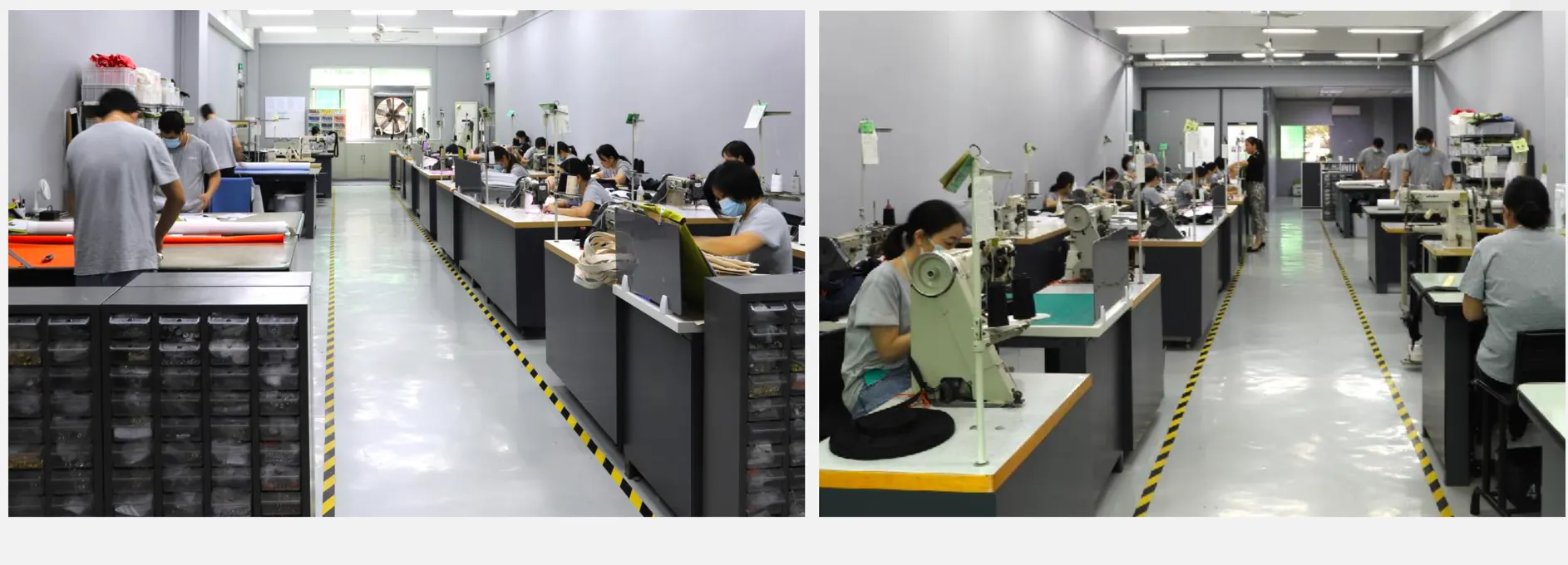
Sample room
Development tables, sample comparison, fit notes, material cards, and trim decisions before bulk approval.
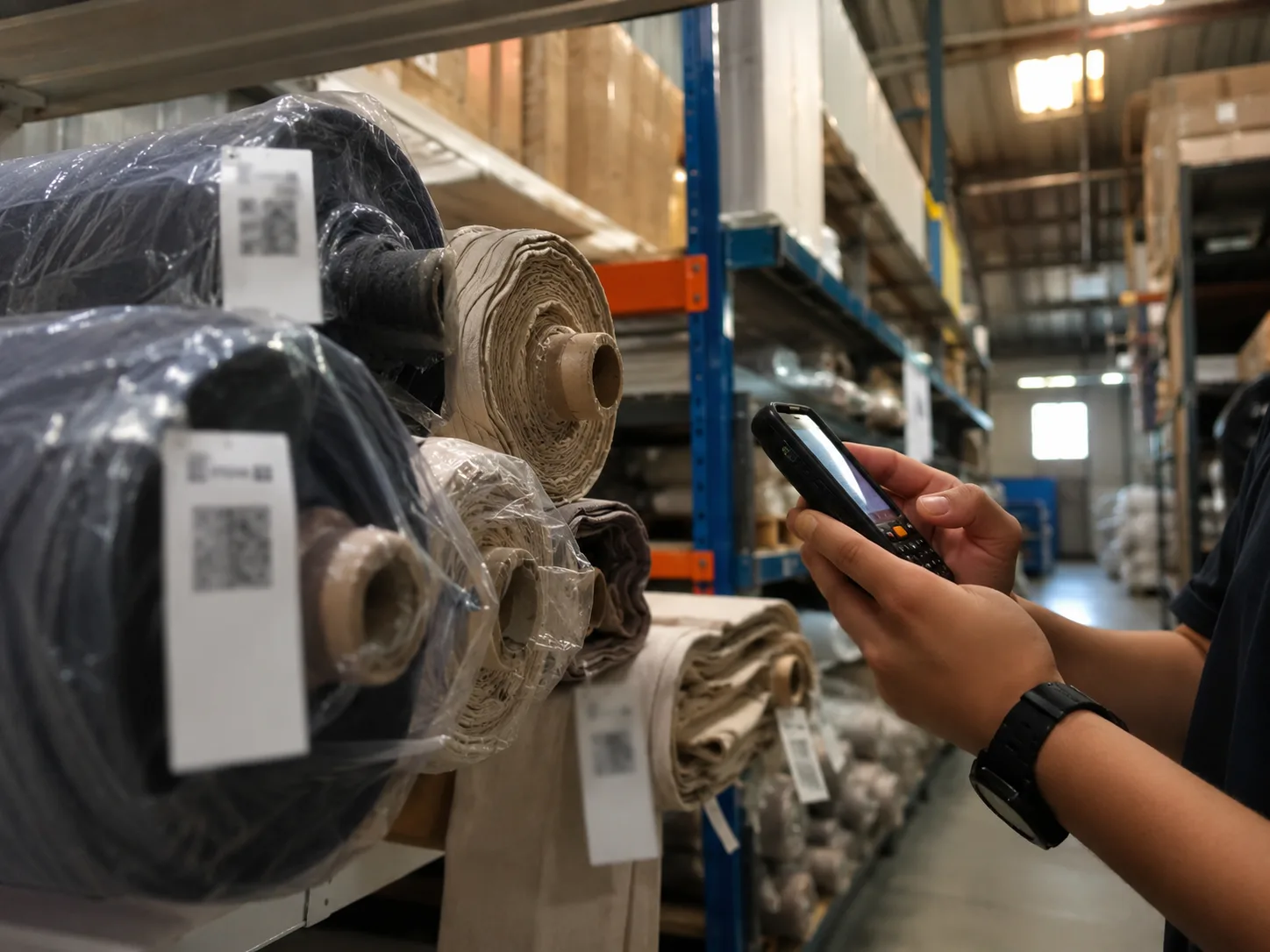
Illustrative process context
Conceptual context for defining fabric, lining, zippers, webbing, color, handfeel, and trims in a sourcing brief.
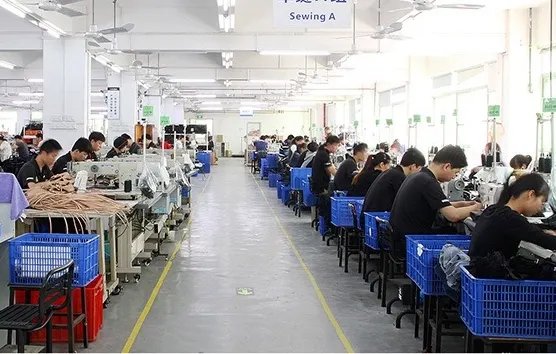
Workshop
Panel preparation and line handoff are managed around the approved sample so construction stays consistent.
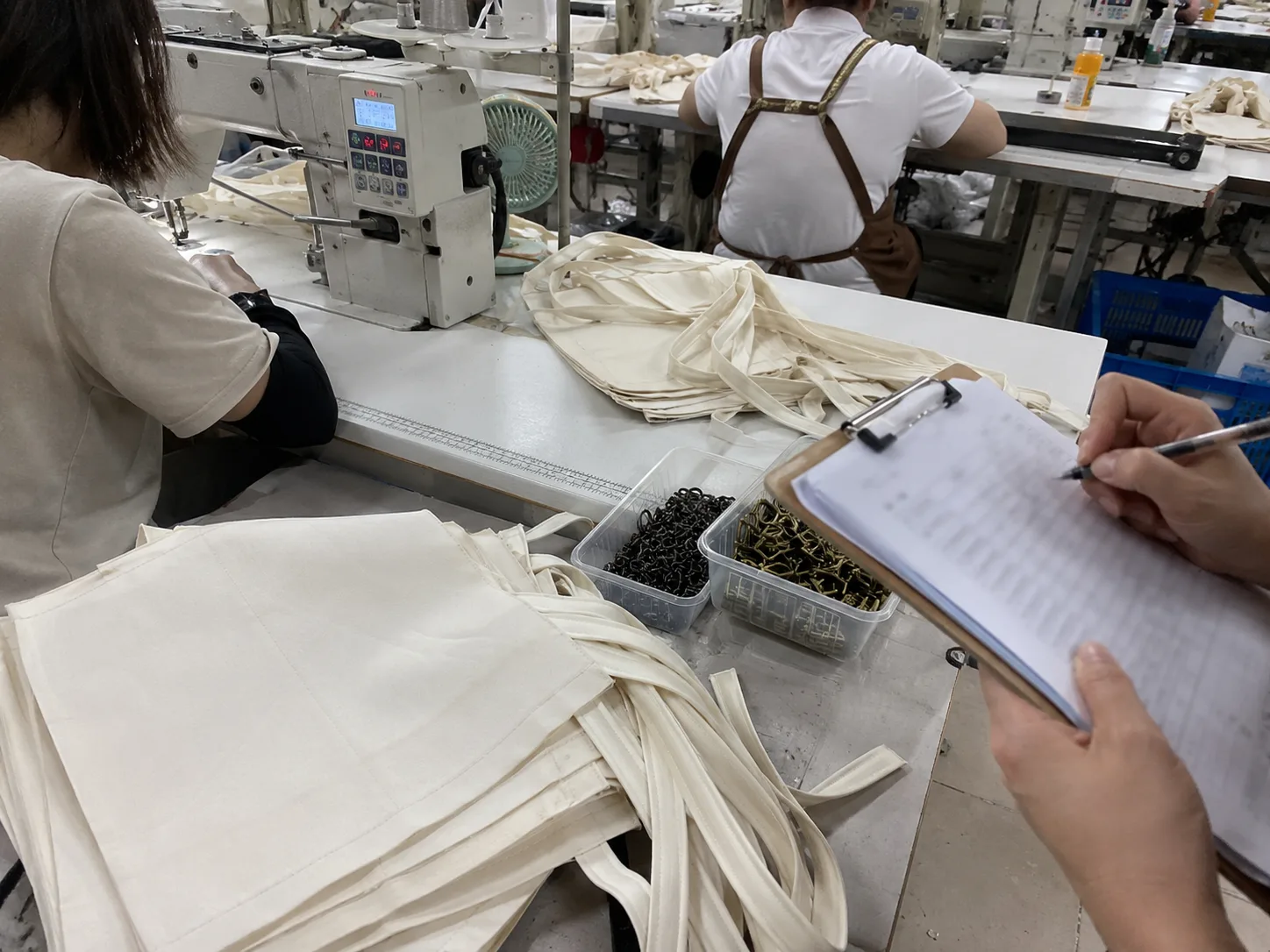
Illustrative process context
Conceptual context for reviewing bag bodies, straps, lining, pockets, hardware, and reinforcement points in sequence.
Illustrative process context
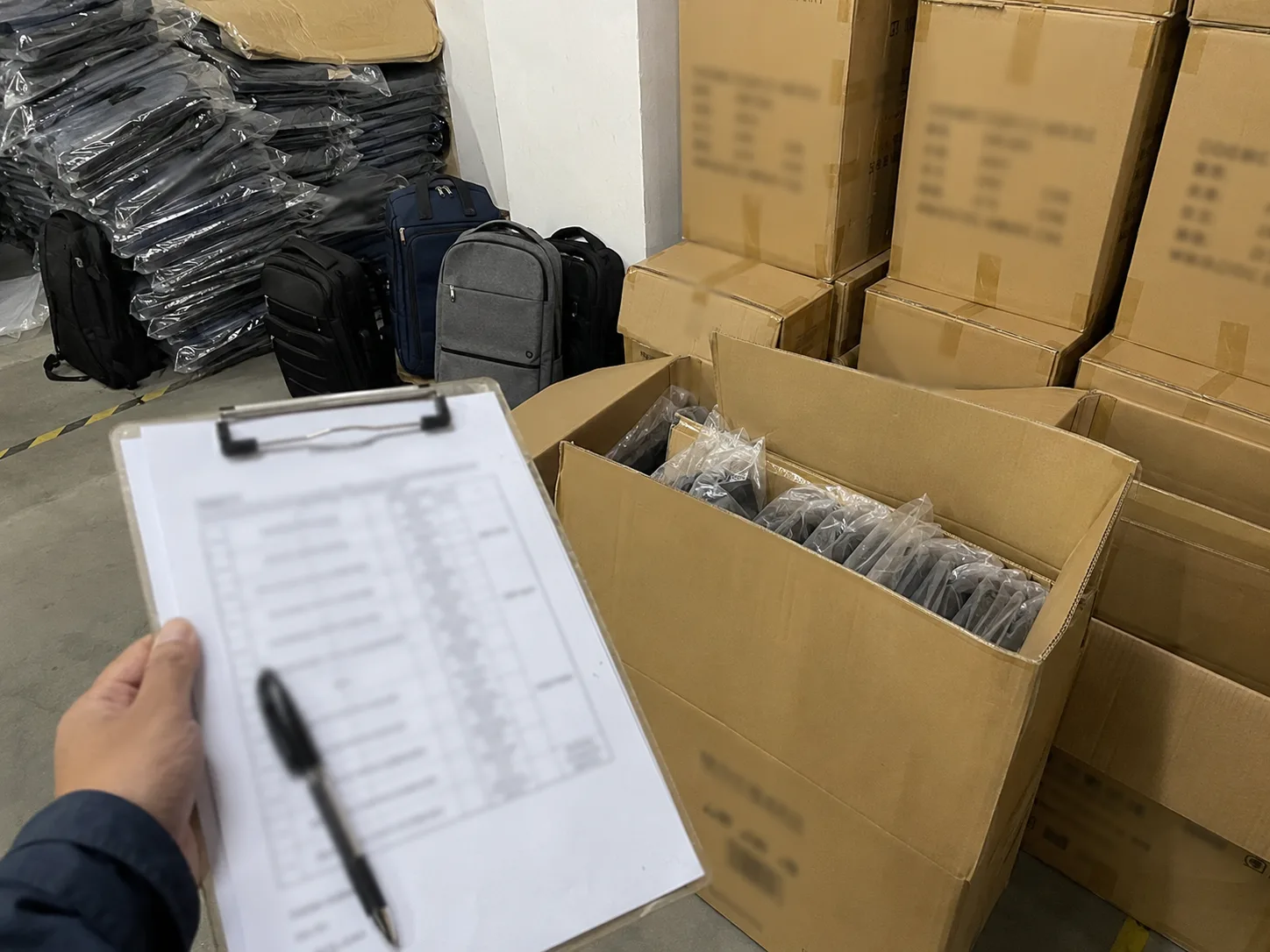
Conceptual context for the checks a buyer can request for stitching, zipper function, dimensions, logo placement, and trim condition.
Illustrative process context
Conceptual context for defining carton marks, pack count, protective packing, and destination details in an RFQ.
Factory systems
Material bundles are scanned and tracked between warehouse and line usage.
Lines use visual production tracking instead of guessing by paper only.
Escalation rules are documented when defects rise beyond tolerance.
The factory runs modern equipment instead of relying only on old-line machinery.
Buyers want to hear how defects are caught, how rechecks happen, how packing is controlled, and how the factory reports issues. That information is more useful than cinematic copy.
Capabilities FAQ
It shows how Connect5 describes sample development, production control, material handling, QC checkpoints, and export preparation in operational terms.
Because they want to understand sample lead, inspection structure, and factory control before comparing final commercial terms.
Use capabilities for process depth and use factory proof for supplier-evaluation language, then move into the contact route once both are clear.
Next step
Open this page when the team needs process detail, QC language, and production structure before moving into a live inquiry.