Cost guide

Bag manufacturing cost breakdown for sourcing teams

A custom bag quote changes when material, size, construction, trim, MOQ, packaging, and destination market change. Buyers should understand those cost levers before asking for pricing.

Asset sections

Bring this into the RFQ before the brief drifts

Product construction

Structure is the first cost driver because it changes labor time, material use, pattern work, and QC points.

  • Bag size and shape
  • Pocket and compartment count
  • Reinforced panels
  • Padded straps or handles

Material and trims

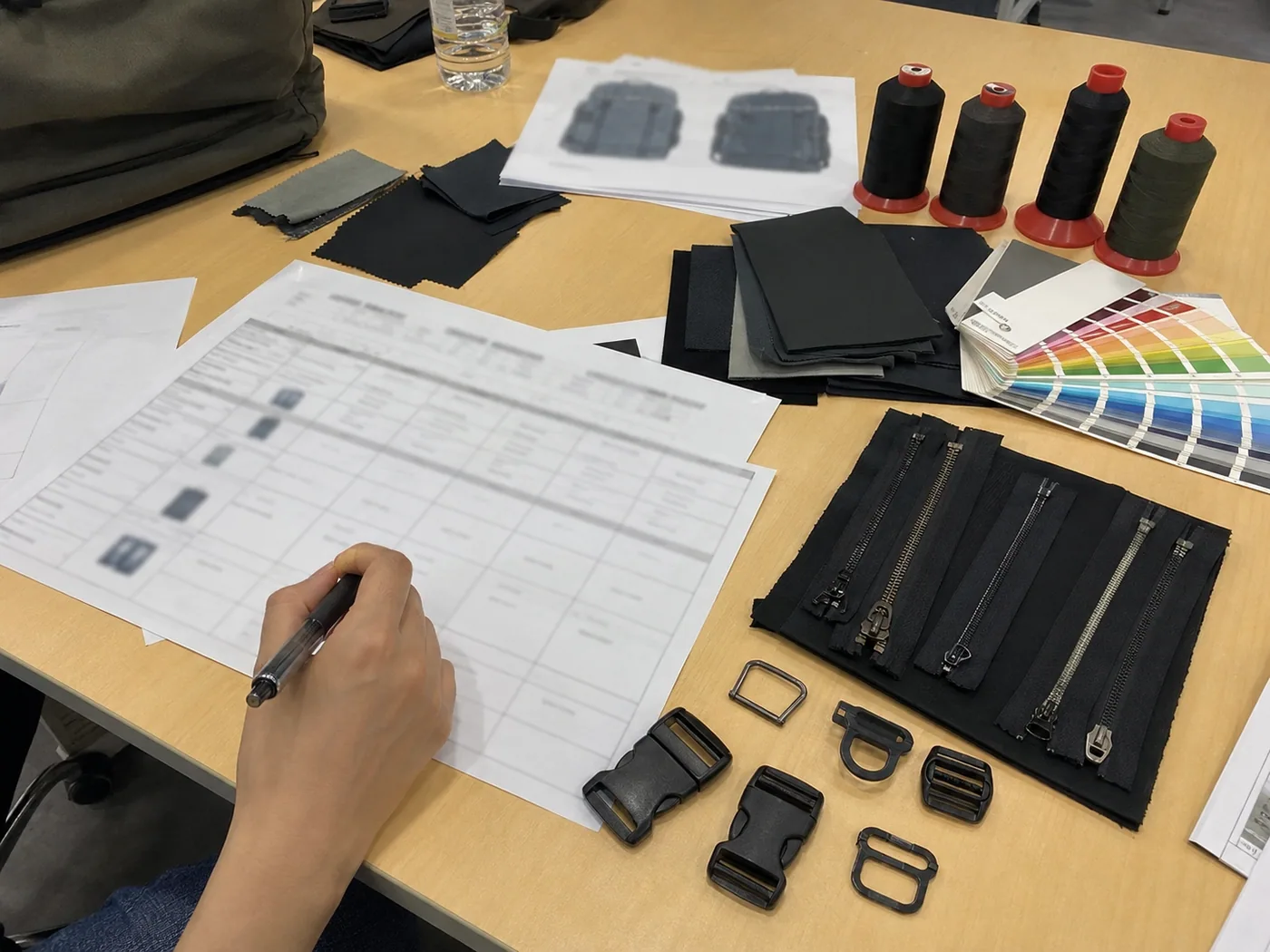
Material quality, zipper grade, hardware, logo trim, lining, and packaging often move cost more than buyers expect.

  • Outer fabric or PU/leather direction
  • Lining and padding
  • Zipper and hardware finish
  • Logo method and label type

MOQ and production route

MOQ affects unit cost because setup, material ordering, cutting, sewing, and packing are spread across the run.

  • Target quantity per style
  • Color count
  • Custom material minimums
  • China sampling and Cambodia bulk route

Reference table

What the buyer checks and what the factory should prove

Item Buyer check Factory evidence
Material Outer material, lining, coating, color, and performance expectation Swatch options, approved sample, and material availability
Construction Shape, panels, pockets, reinforcement, straps, and padding Pattern review and sample construction notes
Trims Zipper, puller, buckle, webbing, logo plate, label, and hardware finish Trim board, plating or color approval, and function check
MOQ Quantity per style, color count, and repeat order potential MOQ logic tied to material and production setup
Pack-out Polybag, dust bag, hangtag, barcode, carton, and retail packaging Packing instruction and carton estimate
QC and export Inspection expectations, destination market, and trade term QC route, shipment release, and freight discussion

Copy checklist

Points to cover in the next buyer-supplier call

  • Define the bag category and target use before asking for price.
  • Send target quantity per style and color count.
  • Confirm main material, lining, trim, and logo method.
  • Separate sample cost, mold or tooling cost, unit cost, packaging cost, and freight estimate.
  • Share destination market and trade term before comparing landed cost.
  • Ask what changes the MOQ or unit cost most for this specific bag.

Embed this cost breakdown

Cite the asset page, not an image file

If another site references this asset, the link should point to the full page so buyers see the context, checklist, and RFQ route.

<a href="https://connectbags.com/bag-manufacturing-cost/">Bag manufacturing cost breakdown for custom OEM/ODM sourcing</a>

FAQ

Questions buyers usually ask about this resource

What affects custom bag manufacturing cost most?

The biggest cost drivers are material, bag size, construction complexity, trims, logo method, MOQ, packaging, QC expectations, and freight or trade term.

Why do two factories quote different prices for the same bag?

They may assume different materials, zipper grades, lining, reinforcement, packing, inspection level, wastage, or MOQ. A tighter tech pack reduces this gap.

Should buyers compare FOB price or landed cost?

FOB is useful for factory comparison, but landed cost is better for business decisions because freight, duty, packing, and destination market can change the real cost.

Email WhatsApp
Online Chat

Talk to Connect5 on this page

Connect5 online support

Leave your message here and the factory team can follow up from the lead queue. You can also use the email fallback anytime.