Illustrative measurement visual
Backpack size guidance should connect measurements to a sample reference, not just a table
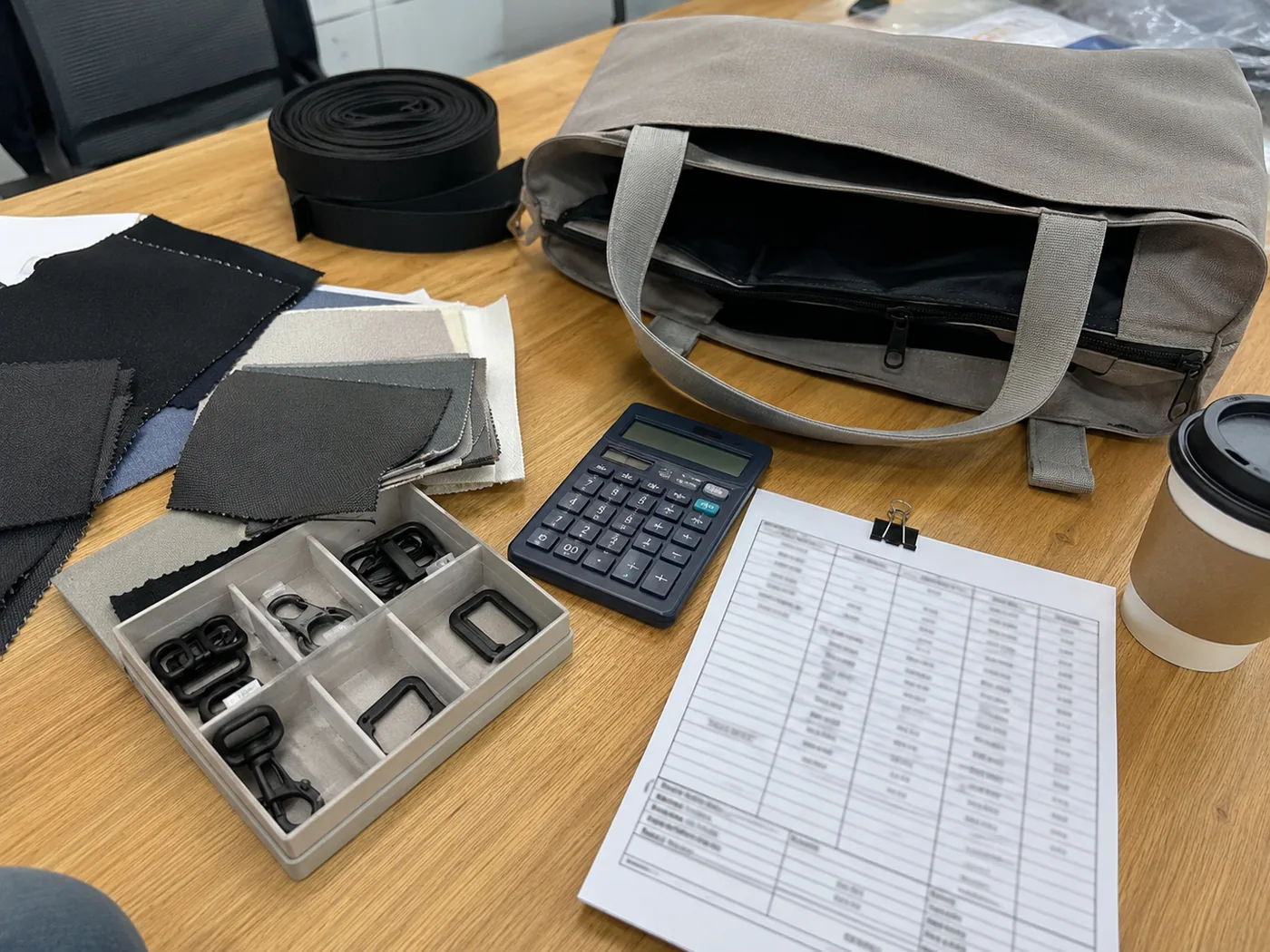
This concept visual explains how width, height, depth, strap length, and sample tolerance can be checked during development.
Backpack development guide
Backpack sizing starts with use case, carrying load, laptop fit, and target market. The goal is to turn a vague size request into a sample-ready backpack brief.
Illustrative measurement visual
This concept visual explains how width, height, depth, strap length, and sample tolerance can be checked during development.
Asset sections
Commuter packs usually balance laptop protection, slim profile, and daily organization.
These programs often need durable sewing, simple compartments, branding area, and cost control.
Larger backpacks need early load, zipper, strap, and reinforcement decisions before sampling.
Reference table
| Item | Buyer check | Factory evidence |
|---|---|---|
| Kids backpack | Small body, light weight, safer trim choices, and school use | Size sketch, material, zipper, and reinforcement review |
| Daily commuter | Laptop size, organization pockets, back-panel comfort, and slim profile | Compartment spec and sample measurement sheet |
| School backpack | Book load, strap comfort, zipper durability, and logo area | Strap pull, zipper check, and reinforcement plan |
| Travel backpack | Volume, carry comfort, pocket access, and packing layout | Pattern review and load-bearing QC notes |
| Sports backpack | Shoe or wet compartment, breathable panels, and utility fabric | Compartment isolation and material confirmation |
Copy checklist
Embed this backpack size chart
If another site references this asset, the link should point to the full page so buyers see the context, checklist, and RFQ route.
<a href="https://connectbags.com/backpack-size-chart/">Backpack size chart for OEM product development</a>
FAQ
It depends on use case. Commuter backpacks often sit around 15 to 25 L, school backpacks around 18 to 30 L, and travel backpacks around 25 to 45 L.
State laptop inch size, sleeve dimensions, padding expectation, pocket layout, and whether the bag must fit a charger, documents, or travel accessories.
Size changes affect pattern, material consumption, pocket layout, zipper length, strap balance, packing, and final cost.