Retail brands, museums, bookstores and creator merch teams that want a more premium logo feel.
Decoration route
Embroidered tote bags when the logo needs more texture than print
Embroidery can lift a simple tote, but it needs the right fabric weight, stitch size, backing, placement and artwork simplification. This route helps buyers decide when embroidery is worth it.
Quick buyer answer
Quick answer for buyers comparing embroidered tote bags
Connect5 treats this as an OEM/ODM manufacturing route. Buyers should send product use, quantity, destination, logo or artwork needs, sample expectations, packing needs, and any QC concerns before requesting a quote.
Artwork file and whether small text or fine lines must be preserved
500 pcs+ is a practical starting signal for this route.
category, logo, packing, market
Send an RFQ with artwork, reference photo, quantity, destination and target delivery date.
Buyer intent
What buyers usually mean by “embroidered tote bags”
They are not only looking for a catalog item. They need the right bag construction, logo method, quantity route, packing plan and delivery timing for a program that will be seen by customers, attendees, employees or supporters.
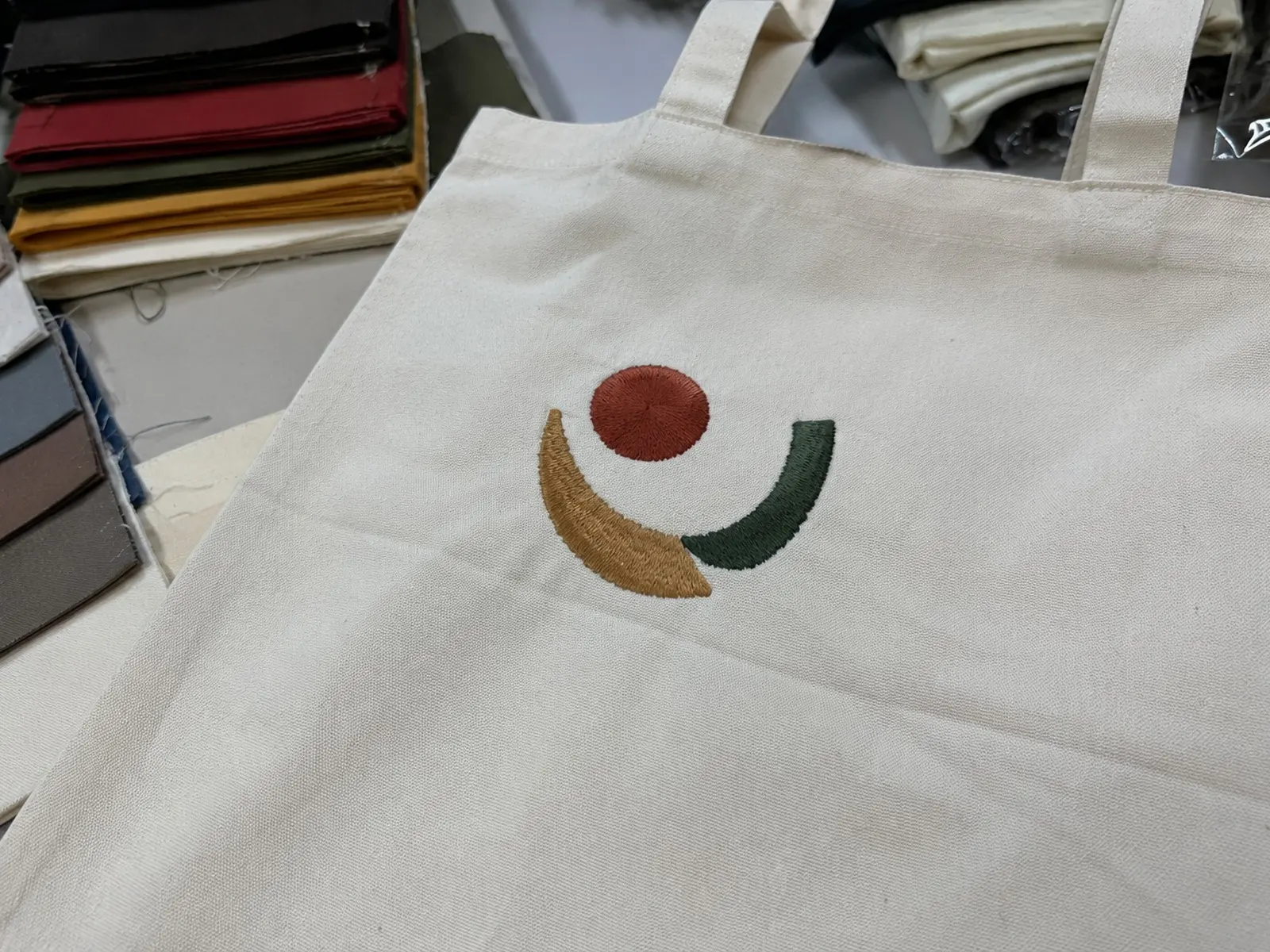
Illustrative application visual Concept image for comparing buyer applications; not a real sample, factory, QC, production, customer, or capacity record.
Retail brands, museums, bookstores and creator merch teams that want a more premium logo feel.
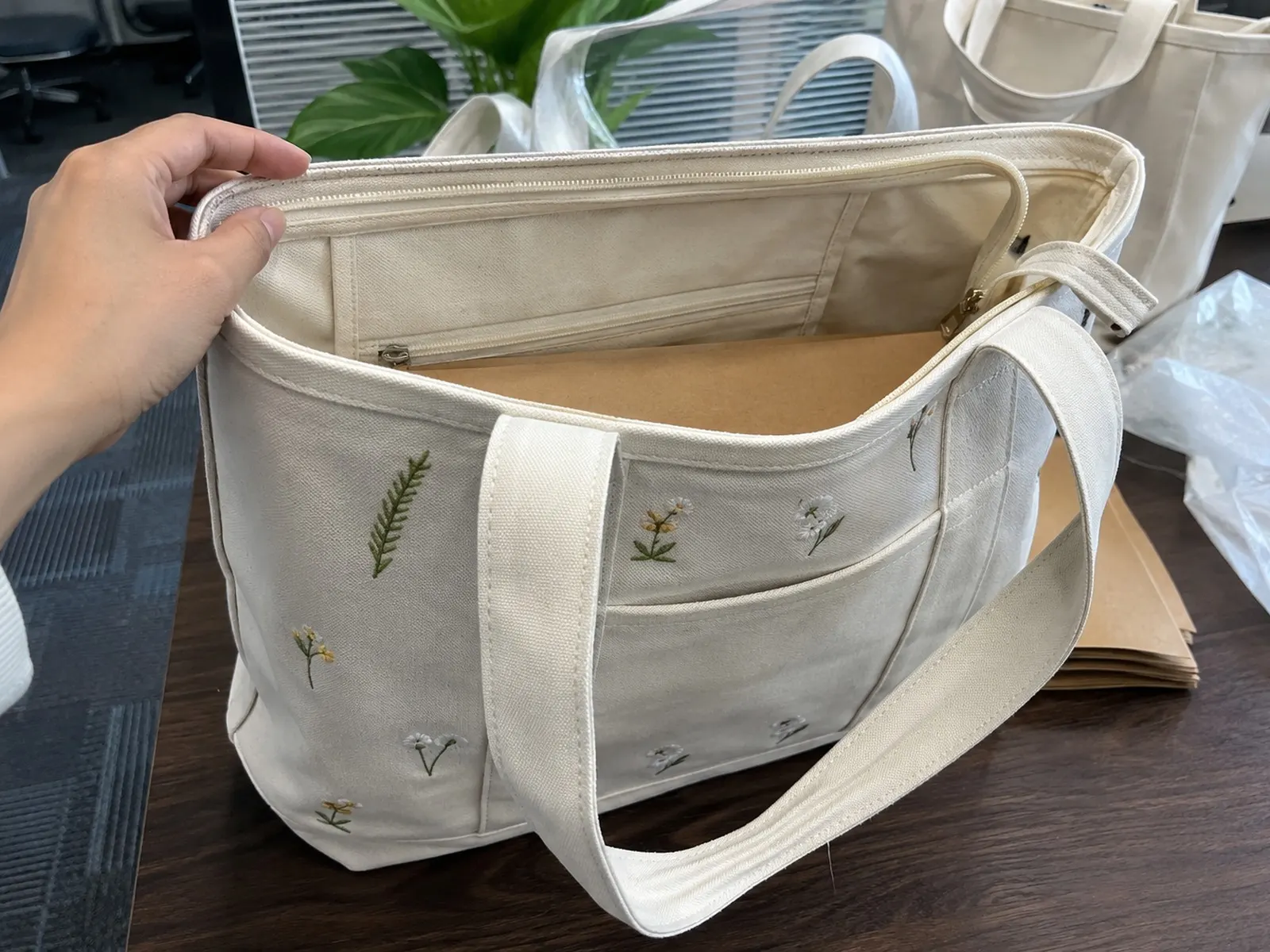
Illustrative application visual Concept image for comparing buyer applications; not a real sample, factory, QC, production, customer, or capacity record.
Corporate and employee-gift buyers looking for a less disposable tote.
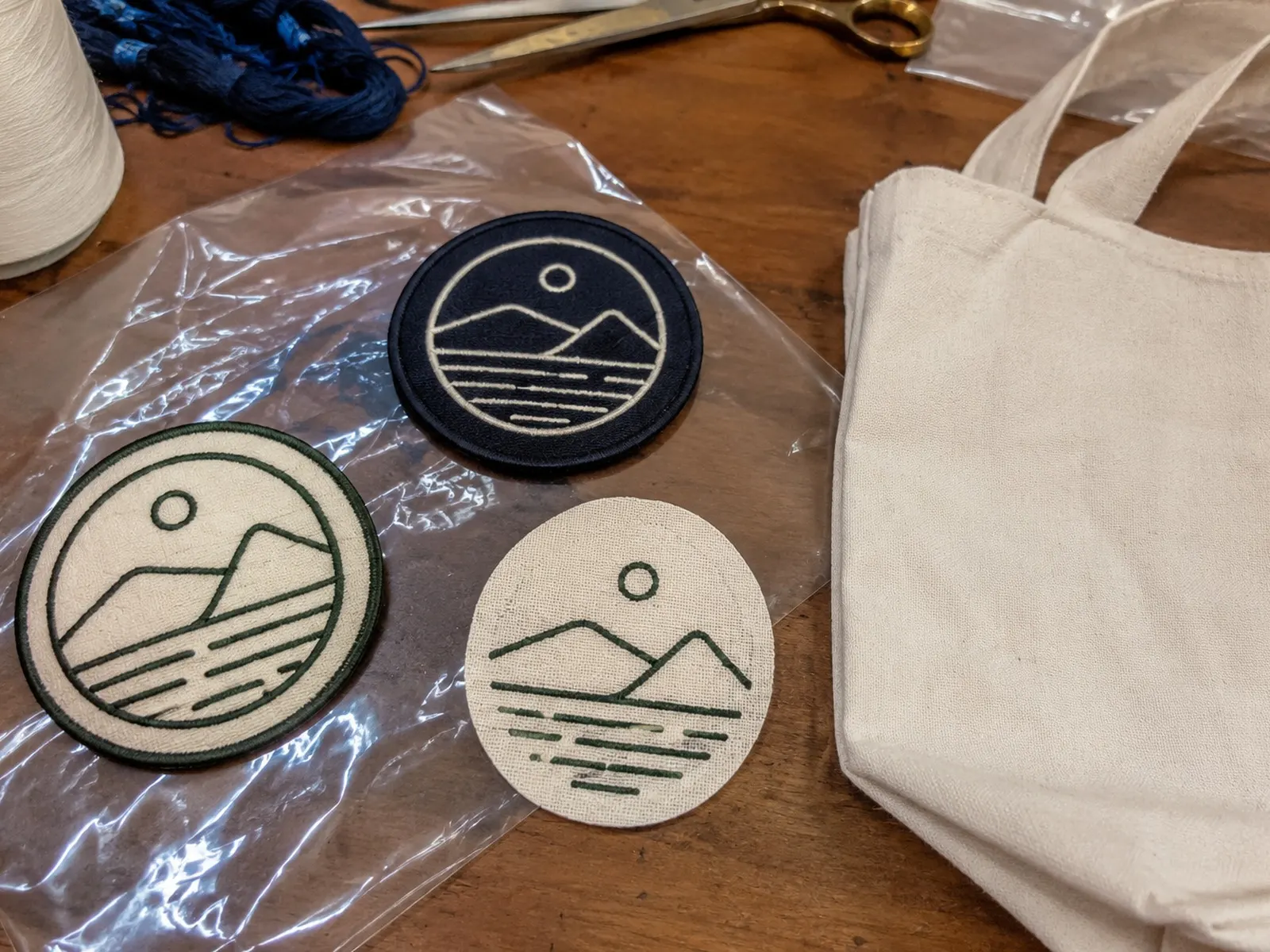
Illustrative application visual Concept image for comparing buyer applications; not a real sample, factory, QC, production, customer, or capacity record.
Campaign teams that need small artwork with texture, not full-panel print coverage.
Route the inquiry
Choose the closest manufacturing path before asking for price
Supporting route
Canvas embroidered tote
The common route for sturdy fabric, visible texture and simple logo placement.
Supporting routePatch or woven-label tote
Use when the logo has small details or the embroidery area would become too dense.
Supporting routePremium gift tote
Pair embroidery with better handles, lining, zipper, pocket or individual packing.
Quote-ready options
Turn the request into a factory quote path
Buyers comparing embroidered tote bags usually need a fast route check before they send artwork or a tech pack. Use these options to decide what evidence belongs in the first RFQ.
Starter program
- MOQ
- 500 pcs+
- Sample
- 7 to 14 day sample
- Proof
- category, logo, packing, market
Bulk quote route
- MOQ
- 1,000 pcs+
- Sample
- 10 to 15 day sample
- Proof
- materials, trims, carton plan
Retail pack-out
- MOQ
- 800 pcs+
- Sample
- 10 to 16 day sample
- Proof
- hangtag, barcode, individual pack
Pre-sample decision depth
How to choose the right version before sampling
The fastest route is not always the cheapest option. Use these checkpoints to decide which version of embroidered tote bags belongs in the first sample request.
Decision route
Direct embroidery
Best when
The logo is simple, small enough and the tote fabric has enough body.
Watch out
Tiny text, gradients and thin lines usually translate poorly into stitches.
Decision route
Patch on tote
Best when
The buyer wants texture but the artwork is too detailed for direct embroidery.
Watch out
Patch edge, placement and stitching need to match the tote style.
Decision route
Woven-label tote
Best when
The buyer wants subtle branding and clean repeatability across colors.
Watch out
A small label may not satisfy campaigns that need visible artwork.
Price drivers
- Embroidery size, stitch density and thread color count
- Canvas weight and whether backing is needed
- Patch, woven label or direct stitch route
- Sampling rounds for artwork simplification
- Packing method and target retail or gift presentation
Sample review
- Check puckering around the embroidery after the sample is handled.
- Confirm small letters are readable at normal viewing distance.
- Review the back side of the embroidery if the tote has no lining.
Quote checklist
Send these details to avoid a vague quote
01 Artwork file and whether small text or fine lines must be preserved
02 Embroidery size, placement and preferred thread colors
03 Tote material, canvas weight, handle route and whether backing is acceptable
04 Quantity, packing route, deadline and destination market
05 Whether embroidery can be replaced by woven label, patch or print if the artwork is too detailed
Related factory routes
Pages that strengthen this brief
How this route fits
This page translates broad buyer language into the right OEM/ODM route, so the first factory reply can focus on quantity, material, logo method, packing, sample proof, and deadline.
FAQ
Questions buyers ask before requesting embroidered tote bags
Are embroidered tote bags more expensive than printed totes?
Usually yes, especially when the embroidery area is large or color count is high. Embroidery is best used when the logo is simple and the buyer wants a more premium texture.
What artwork works best for embroidery?
Simple shapes, clear letters and limited color areas work better than tiny text, gradients, photo-style artwork or very thin lines.
Can embroidery be used on every tote fabric?
Not always. The fabric needs enough structure to hold stitches cleanly, so canvas and heavier cotton routes are usually easier than very thin event tote materials.