Buyers often use these terms loosely, but they point to different project needs. OEM tends to start from a defined spec base, while private-label programs push harder on branding, packaging, and final retail presentation.
Decision proof
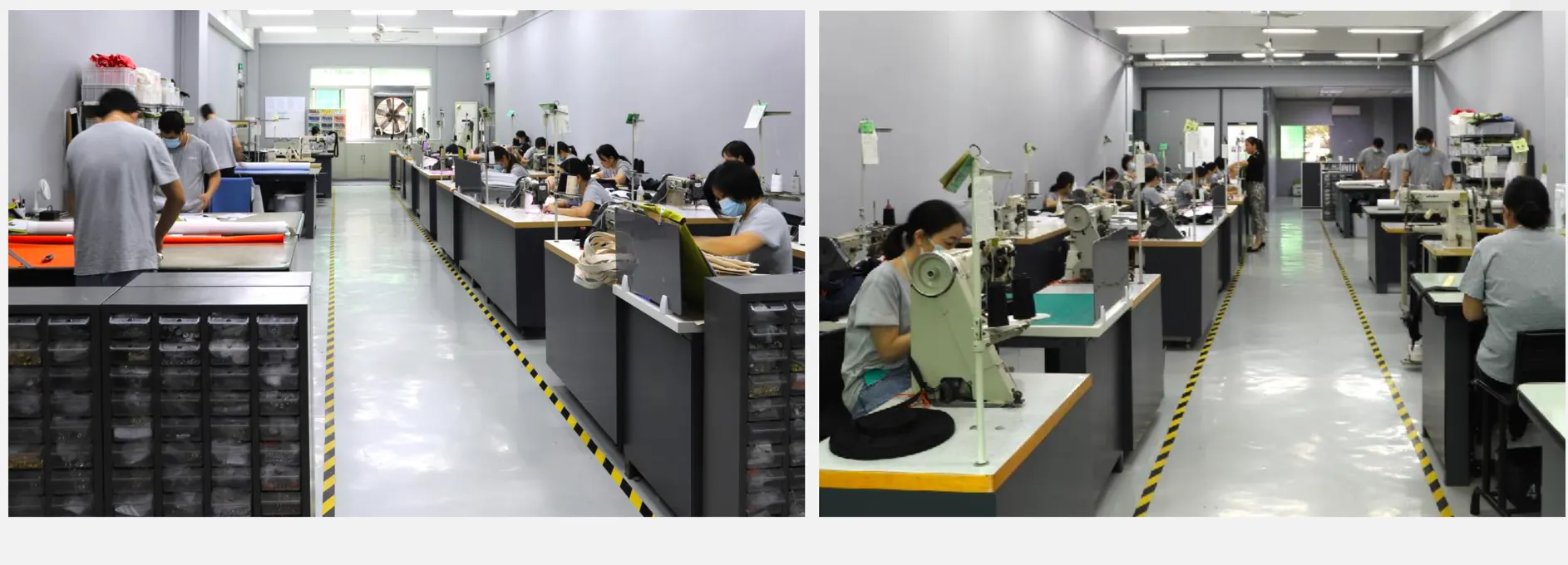
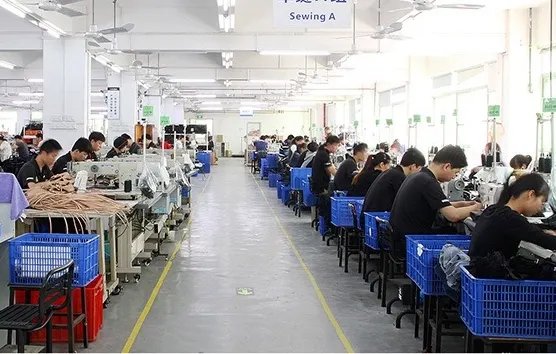
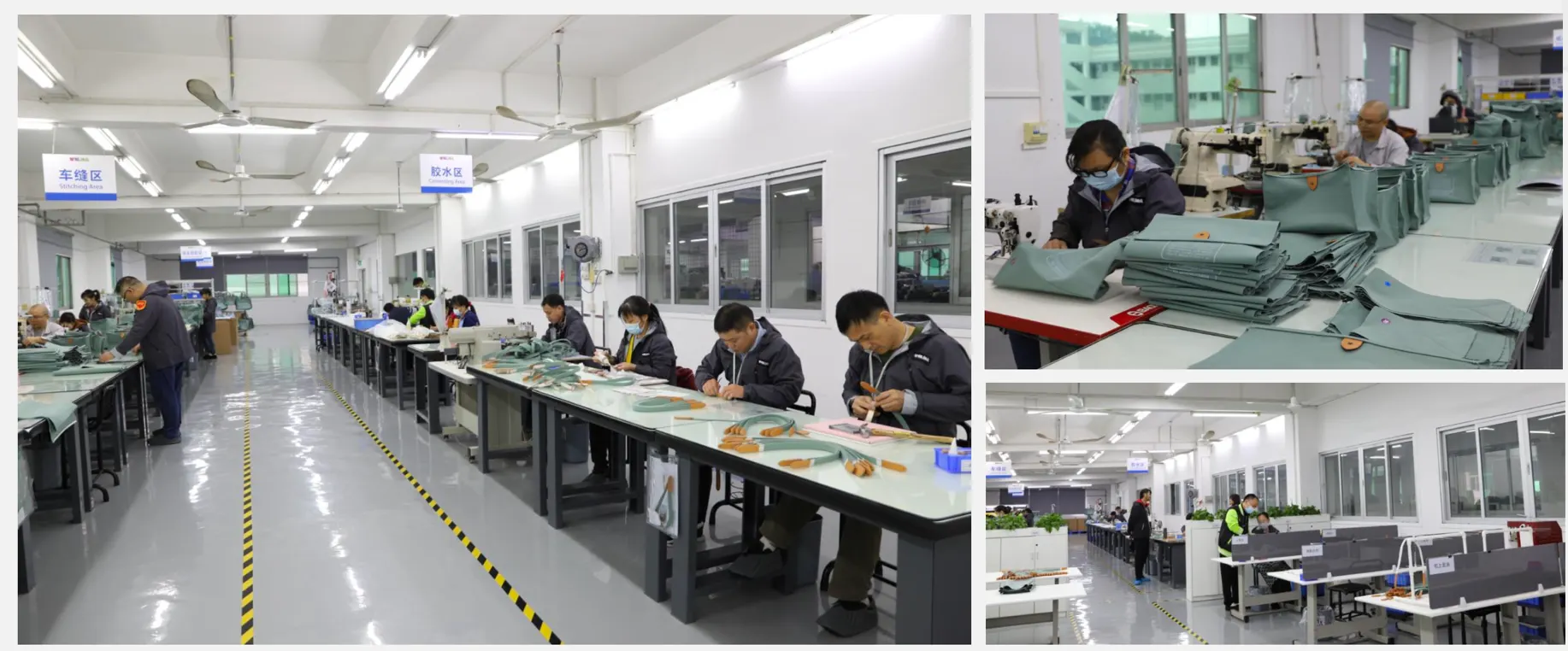
Compare visible factory proof instead of relying on written claims alone
Documentary · Connect5-suppliedPublished as provided by Connect5; not independently verified.
01Sample capability
Sourcing decisions should check how samples, trims, and revisions are handled before price becomes the only comparison.
Documentary · Connect5-suppliedPublished as provided by Connect5; not independently verified.
02Factory route
A stronger supplier comparison explains which factory work happens before, during, and after sample approval.
Documentary · Connect5-suppliedPublished as provided by Connect5; not independently verified.
03Production proof
Production and QC proof reduce the risk of choosing a supplier from copy alone.
What to compare
Check these points before price drives the decision
OEM usually starts with a defined product direction, dimensions, or a more explicit technical brief.
Private-label programs usually need more alignment on logo treatment, hardware finish, dust bags, hangtags, and retail positioning.
Both routes still need category fit, sample-room clarity, proof signals, and realistic QC expectations.
The best route depends on whether the product itself is still being shaped or the main work is now brand presentation and commercialization.
Decision paths
How buyers usually separate the right route from the wrong one
Choose OEM when
The bag concept is already fairly defined and the supplier mainly needs to validate manufacturability, timing, cost, and production execution.
Choose private label when
The brand still needs support on how the final product should look at retail, including hardware, logo trim, dust bags, hangtags, and pack-out.
Use both lenses when
The project has a working concept but still needs development on branding, finishing, and a cleaner launch package.
Mistakes to avoid
The comparison usually breaks down when these details are skipped
OEM is not a shortcut around sample review or proof questions.
Private-label work goes wrong when branding is layered on after the product route is already fixed.
The team should agree on category, retail tier, and quantity posture before arguing about labels.
Questions buyers raise when the sourcing choice becomes real
What is the difference between OEM and private-label bag manufacturing?
OEM usually centers on the buyer providing a defined product spec or design direction, while private-label programs often emphasize branded pack-out, logo treatment, and a cleaner path from category fit into commercial production.
When should a buyer compare OEM vs private label explicitly?
Compare them when the bag concept is partly defined but the brand still needs clarity on sample ownership, trim decisions, packaging, and how much development input the factory should provide.
How does Connect5 support both paths?
The site already supports OEM and ODM workflows, sample development, proof routes, and private-label friendly packaging, so both decision paths can be handled through the same product and contact structure.
Essential site functions stay on. Analytics, marketing measurement, and live chat session storage are optional and can be changed later. Privacy policy