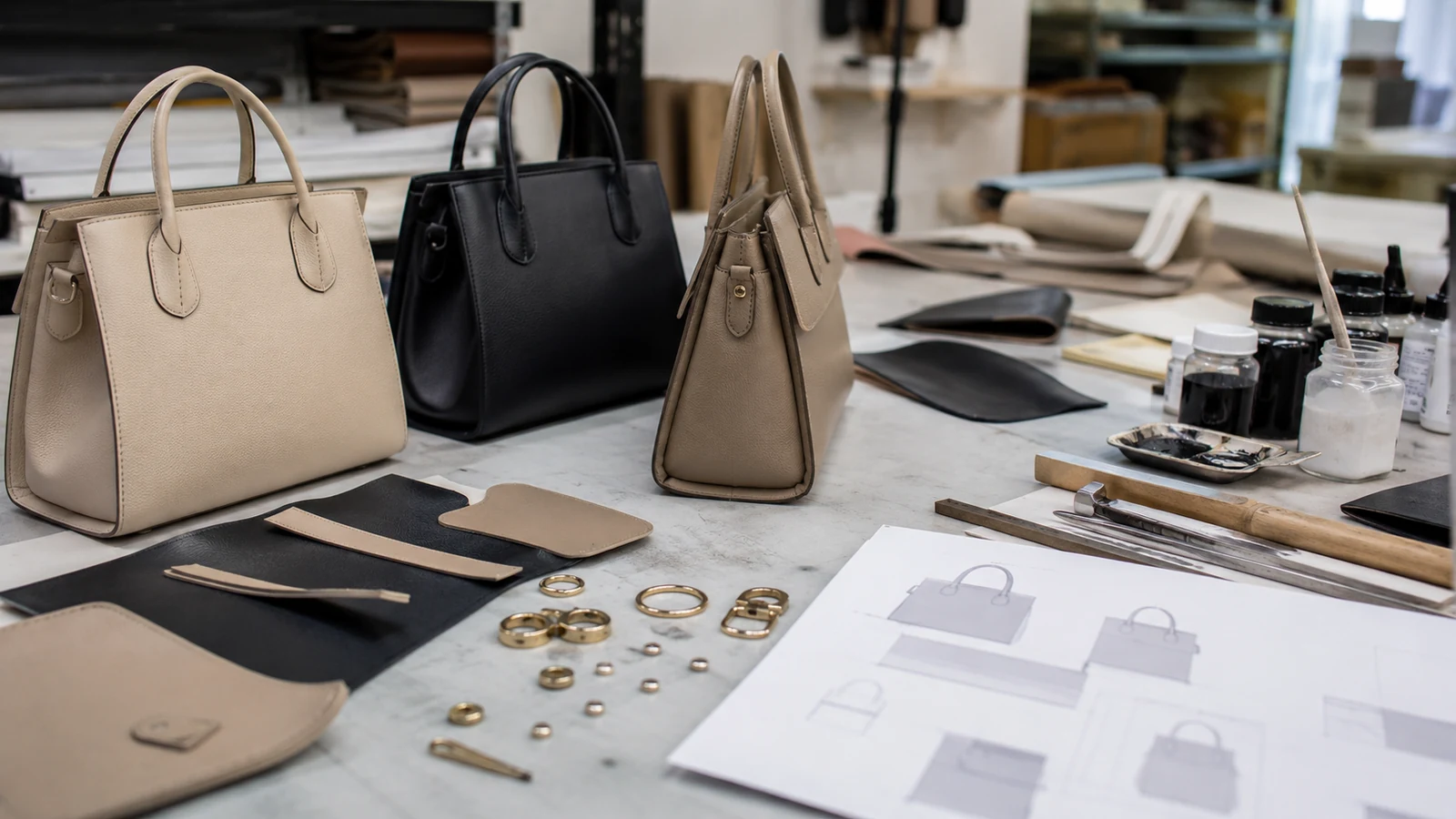
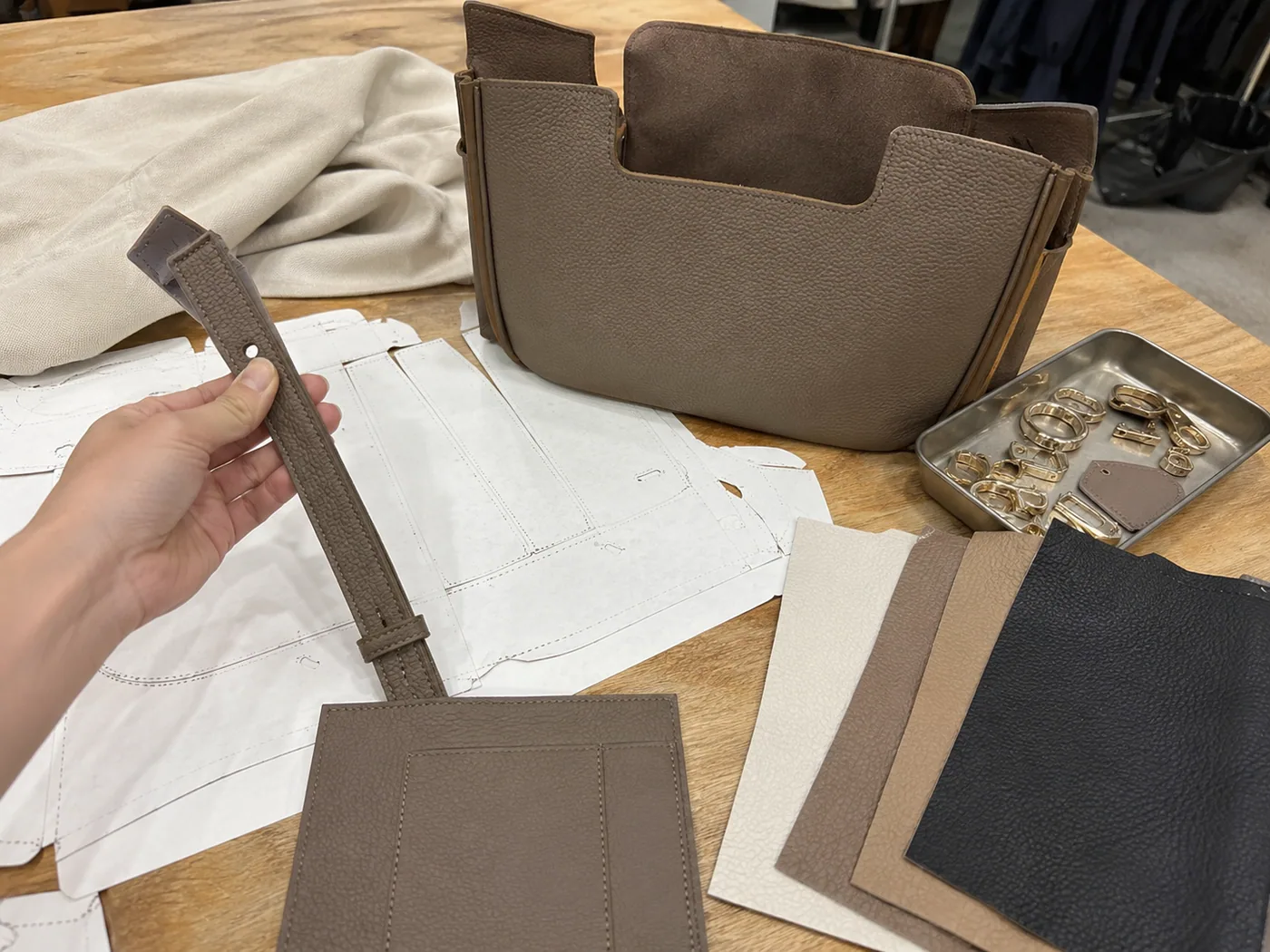
Finding a custom handbag manufacturer is not the same as searching for a finished handbag supplier. B2B buyers need to translate brand direction into patterns, materials, handle construction, lining, trims, logo details, packaging, and inspection standards. The work is both creative and technical. A handbag may look simple in a sketch, but small decisions such as gusset shape, handle drop, reinforcement, zipper opening, edge finish, and logo scale can change the sample result and the production plan.
Connect5 Bags supports overseas brands, sourcing teams, and product developers that need practical handbag development rather than retail-style product selection. The approach is to use China sampling support for early development decisions, then prepare production planning and QC handover in a structured way. Buyers that bring a clear brief, reference images, and commercial context can usually have a more productive technical discussion with the factory team.
Define the handbag before requesting a price
A custom handbag RFQ should begin with the intended function and silhouette. Is the product a structured top-handle bag, a soft shoulder bag, a crossbody, a mini bag, a tote-shaped handbag, a clutch, or a mixed-material style? The answer affects the pattern, reinforcement, handle method, hardware, lining, and quality checks. Buyers can browse the handbags category and the custom handbag manufacturer page to frame the discussion before submitting a brief.
Handbags also carry a higher visual expectation than many utility bags. Symmetry, seam balance, edge finishing, trim placement, and overall structure are visible to the end customer. Because of this, a handbag sample must be reviewed under realistic use conditions: filled, carried, opened, placed on a table, packed in its intended packaging, and inspected under normal light.
| Handbag type | Key development focus | Common risk | Sample review priority |
|---|---|---|---|
| Structured top-handle | Reinforcement, handle attachment, edge finish, base shape | Shape collapse or uneven edges | Load test, symmetry, bottom stability |
| Soft shoulder bag | Drape, lining fit, strap comfort, zipper curve | Material may look too flat or too loose | Handfeel, opening access, strap position |
| Crossbody handbag | Strap length, adjuster, flap or zipper function, internal pockets | Strap hardware may twist or pull unevenly | Wear test, strap pull, closure alignment |
| Mini bag or clutch | Scale, logo placement, compact organization, closure tension | Small measurement changes are highly visible | Proportion, hand carry feel, trim scale |
Prepare a brief that helps the sample room
The sample room needs more than inspiration photos. A useful handbag brief explains dimensions, target material, lining, colorway, pocket layout, handle length, strap options, hardware finish, logo method, packaging, target market, and estimated production quantity. If a physical reference sample exists, label which parts must be kept and which must be changed. This avoids the common issue where a factory copies an unwanted detail because the buyer did not explain the reference clearly.
Handbag brief checklist
- Front, back, side, bottom, inside, and closure views, even if they are simple annotated images.
- Main dimensions and any fit requirements, such as phone, tablet, wallet, cosmetic pouch, or travel document space.
- Material direction, including PU, suede, canvas, raffia, nylon, or mixed-material panels.
- Hardware finish, such as light gold, nickel, gunmetal, matte black, resin, or fabric-covered trims.
- Branding position, logo size, label type, and artwork files when available.
- Target retail channel, packing method, and inspection concerns.
For material decisions, review bag materials. For zipper, buckle, logo plate, and webbing decisions, use bag hardware and trims as a planning reference. These details do not need to be final at the first meeting, but they must be discussed before a production quote is treated as stable.
Materials shape the handbag before sewing begins
Handbag material selection should balance appearance, structure, durability, cost target, and production consistency. PU can provide many surface effects and colors, but the coating, backing, thickness, and crease behavior must be checked. Suede and suede-like materials can create a soft premium handfeel, but color transfer, nap direction, and cutting consistency require attention. Raffia and natural-looking woven materials can fit resort and seasonal lines, but variation and edge finishing must be reviewed. Canvas can work for casual handbags, especially when paired with leather-like trims or structured panels.
The buyer should not approve a material only from a small swatch. A swatch may look suitable, while a full bag may reveal stiffness, sagging, wrinkling, or color mismatch with trims. During sampling, ask to review material behavior across seams, folded edges, handle attachment, bottom corners, and logo application areas. If the handbag needs reinforcement, the factory team should review how the shell material works with interlining and internal structure.
Material questions for handbag development
- Does the material hold the intended shape without looking overly rigid?
- Can it be folded, stitched, edge finished, or turned cleanly at corners?
- Does the logo method work on the surface without distortion?
- Will lining, reinforcement, and shell material move together during use?
- Are color, texture, and batch consistency suitable for the intended order plan?
Hardware and trims must be reviewed as a system
Handbag hardware is part of function and identity. A zipper puller, logo plate, chain, buckle, magnetic snap, D-ring, rivet, or metal foot should not be chosen separately from the bag construction. A heavy chain can pull on a soft body. A logo plate can distort a thin panel if reinforcement is not added. A zipper that looks refined may not open smoothly on a curved top. The trim finish should also match the brand direction and the expected use environment.
When reviewing hardware, ask the factory team to confirm attachment method, backing reinforcement, plating direction, surface protection, and inspection points. Custom trims may require more time than stock trims, so they must be identified early. If a buyer wants a family of handbags across several SKUs, using a consistent trim finish and logo system can make the line easier to manage.
Sampling is where design becomes production language
The sample development process should produce more than a nice-looking piece. It should create the technical language for production. A sample comment sheet should define measurable changes: increase handle drop, adjust zipper opening, change logo plate height, reduce seam puckering, reinforce base, update lining pocket, modify strap end shape, or change edge paint color. Handbag development benefits from precise comments because many details are visible and small changes affect the overall impression.
Buyers should separate comments into critical changes, commercial preferences, and optional refinements. Critical changes affect function, safety, brand approval, or production feasibility. Commercial preferences affect appearance and positioning. Optional refinements may be held for a future order if they would delay the current program. This separation helps the manufacturer understand what must be resolved before production planning.
A handbag sample is not only a sales sample. It is a reference for pattern, workmanship, trims, materials, packaging, and inspection. Treat the approved sample as part of the production file.
Production checks for custom handbags
Handbag QC should focus on visible workmanship and functional reliability. Before bulk production, confirm the approved sample version, material color, logo trim, lining, thread color, zipper, hardware finish, and packaging. During inspection, review measurement tolerance, stitch consistency, seam balance, edge finishing, shape, odor, stains, hardware scratches, zipper function, lining attachment, handle strength, and packing condition. The quality standards reference can help teams prepare a checklist that matches the product type.
For export readiness, carton packing should protect shape and surface finish. Structured handbags may need stuffing or protective wrapping. Metal trims may need protective film or separate wrapping if the finish is sensitive. Packaging instructions must be written, not assumed.
FAQ
Can Connect5 develop a handbag from photos only?
Photos can start the discussion, but a stronger brief should include dimensions, target material, interior layout, trim direction, logo method, packaging, and estimated quantity. A physical reference sample can be helpful when structure or handfeel is important.
What causes repeated handbag sample revisions?
Common causes include unclear dimensions, changing material direction after the first sample, late logo artwork, hardware changes, or scattered comments from multiple teams. Consolidated comments and early trim approval reduce avoidable repetition.
Should custom handbag hardware be stock or custom?
Stock hardware can support faster sampling and lower development complexity. Custom hardware may improve brand identity but can add tooling, MOQ, and approval steps. The choice should match the order plan and launch timeline.
How should a buyer approve a handbag sample?
Approve it against a written checklist covering dimensions, structure, material, lining, hardware, logo placement, workmanship, function, packaging, and commercial appearance. Keep a record of the approved version for production handover.
Share your handbag development brief
Prepare your sketches, reference photos, material direction, logo files, target quantity, packaging requirements, target market, and sample comments. Send the brief through Connect5 contact so the factory team can review the development route, sample needs, material options, trims, QC points, and production planning steps.