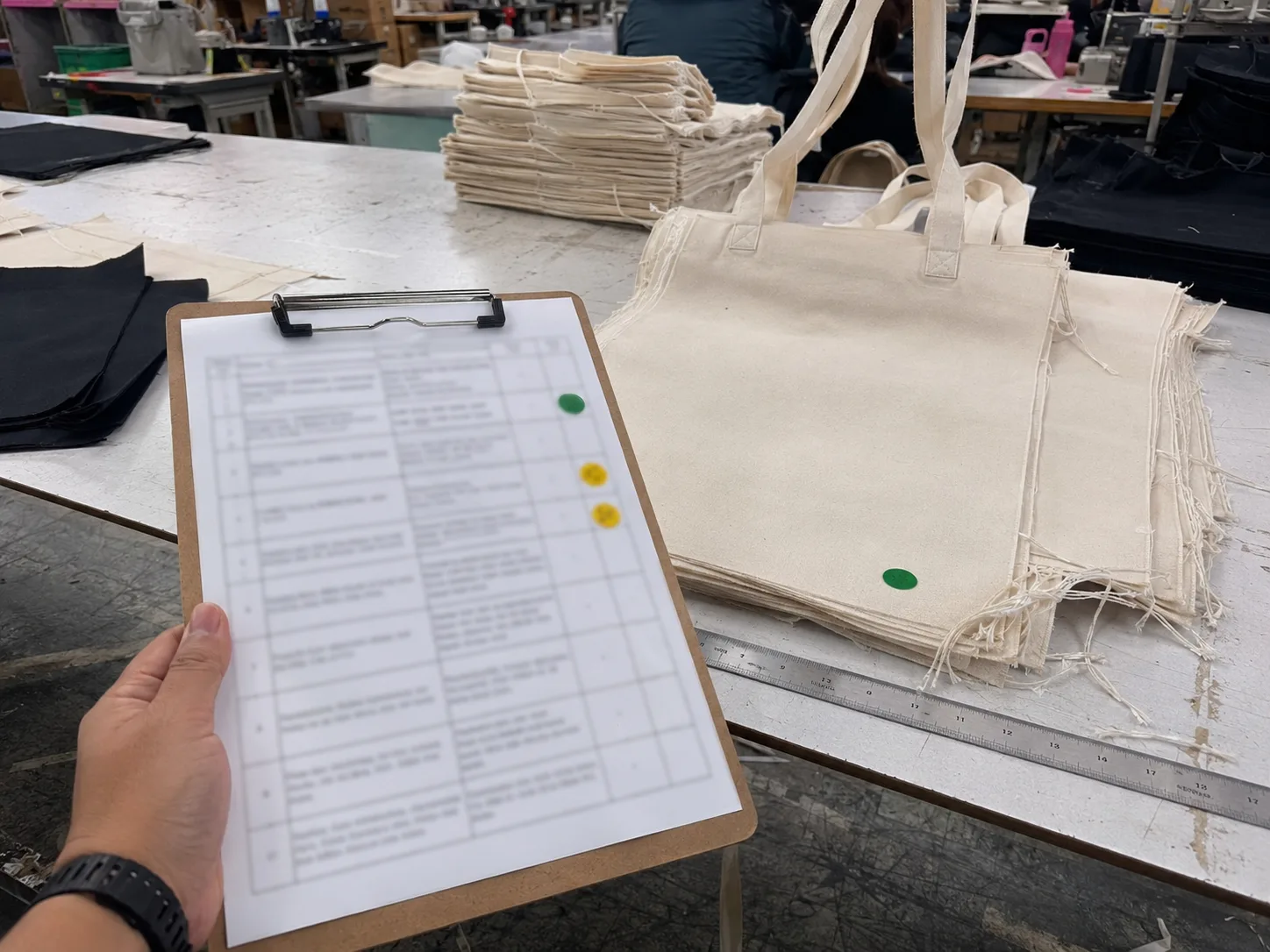
An instrument carrying case sample should confirm 6 items before bulk approval: instrument dimensions, accessory zones, shell type, handle strength, zipper route, and packing method. Keep protection claims tied to buyer-defined tests.
Confirm instrument dimensions and accessory zones first
Instrument cases must be sampled from measured equipment, not from a broad category name. Define the main instrument size, cables, probes, chargers, manuals, calibration accessories and any zones that must stay separated.
| Decision | Factory input | Why it matters |
|---|---|---|
| Instrument dimensions | Length, width, height, protrusions and sensitive surfaces | Controls cavity size, foam and lid clearance. |
| Accessory zones | Cables, probes, adapters, manuals, battery packs or chargers | Controls divider count and pocket placement. |
| Carry route | Hand-carry, shoulder strap, backpack or nested case | Controls handle strength and loaded comfort. |
Keep protection wording tied to buyer-defined tests
A factory can build soft, padded, semi-rigid or EVA cases, but it should not promise certified protection without buyer-defined test criteria. Use sample checks, material evidence and fit photos to document the agreed construction route.
- State whether the requirement is scratch reduction, organization, light impact padding or a buyer-defined test.
- Avoid certification or regulated-performance claims unless the buyer supplies the standard and evidence path.
- Confirm whether retail packing, storage packing or field-service packing is required.
Sample approval should cover handles, zippers and packing
Instrument carrying cases often fail in repeated access points. Before bulk production, review handle attachment, zipper route, foam or divider stability, logo placement, label position, carton count and replacement-packing assumptions.
| Decision | Factory input | Why it matters |
|---|---|---|
| Handle and strap | Loaded lift photo or buyer-defined pull check | Protects against field-use stress failures. |
| Zipper route | Opening angle, corner movement and puller clearance | Confirms access without forcing the instrument. |
| Packing method | Polybag, insert, barcode, carton label and replacement grouping | Supports distributor or service-team release. |
Where to continue
Continue with equipment carrying case manufacturer, foam density and divider planning, program examples so the support article connects back to the commercial RFQ path, material decisions and functional bag hub.
Send an instrument case RFQ with dimensions, quantity band, sample deadline, destination market and the construction notes listed above.
FAQ
What should an instrument carrying case sample confirm?
Confirm instrument dimensions, accessory zones, shell type, foam or divider layout, handle strength, zipper route, logo method, packing and destination market.
Can Connect5 certify protective performance?
Connect5 can manufacture and document the agreed construction route. Any certified protection claim needs buyer-defined test criteria, standards and approval requirements.
What evidence should buyers request before bulk approval?
Request fit photos, loaded handle checks, zipper movement photos, divider stability review, logo placement, packing proof and carton mark confirmation.