Cooler bags and insulated bags
The kinds of soft cooler and insulated cool bag, how the insulation, liner and zip decide how long things stay cold, typical sizes in litres and cans, and what to specify when you develop cooler bags.
On this page
Types of cooler bag
- Soft cooler (cool box bag)
- A box-shaped insulated bag with a zip lid and a shoulder strap; the most common picnic and family cooler.
- Cooler tote
- An insulated tote with two handles and a zip top, used for shopping and picnics; see reusable shopping bags.
- Cooler backpack
- A backpack with an insulated main compartment and often a dry front pocket, for hiking, beach and festivals.
- Rolling cooler
- A large soft cooler on a wheeled base with a telescopic handle, for heavy loads over a distance.
- Lunch cooler
- The smallest insulated bag, for one person’s meal; covered in our lunch bags guide.
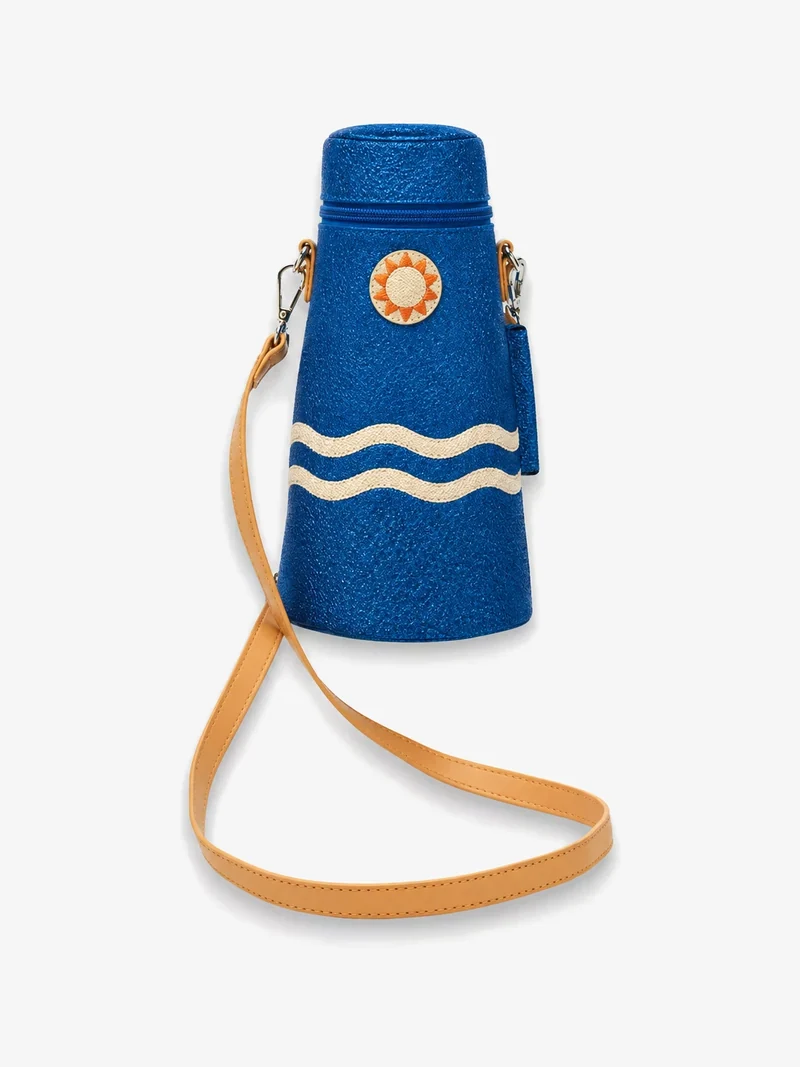
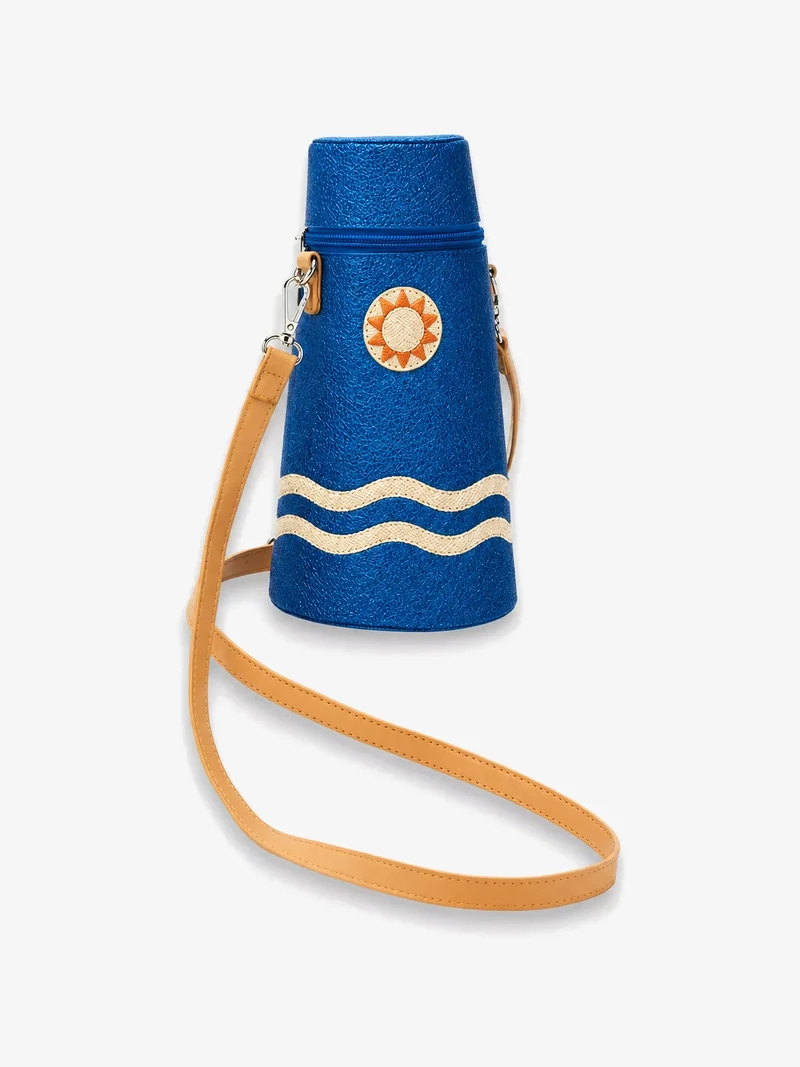
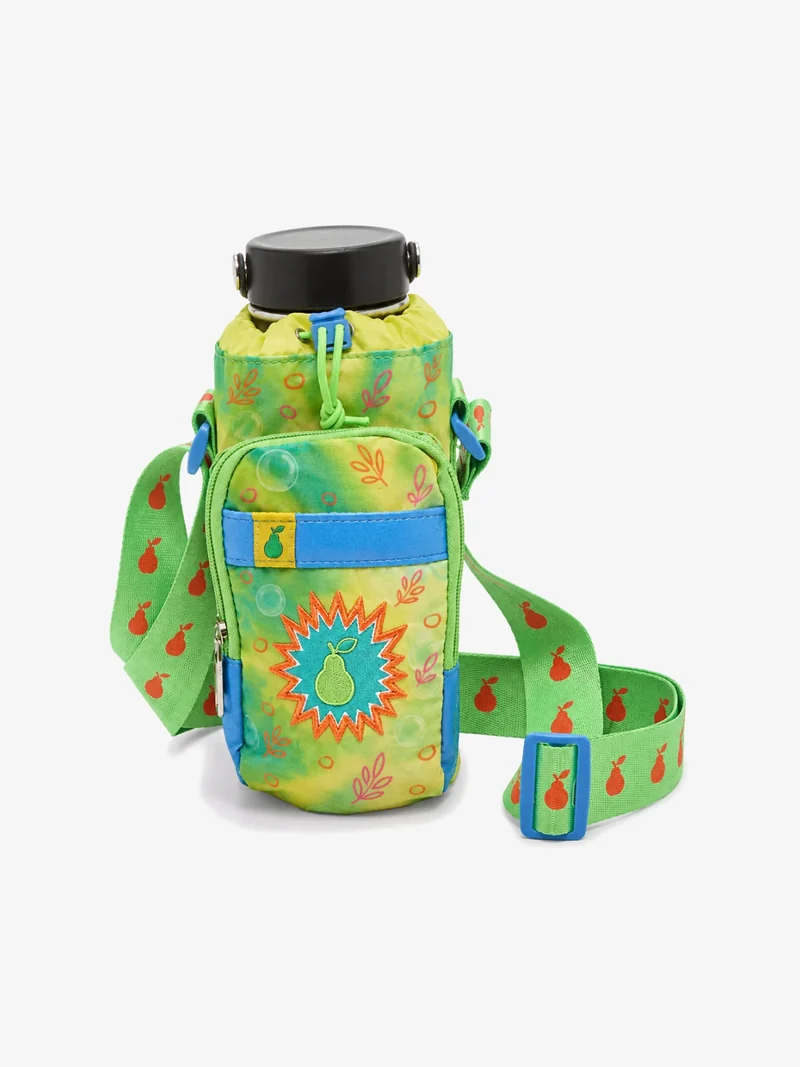
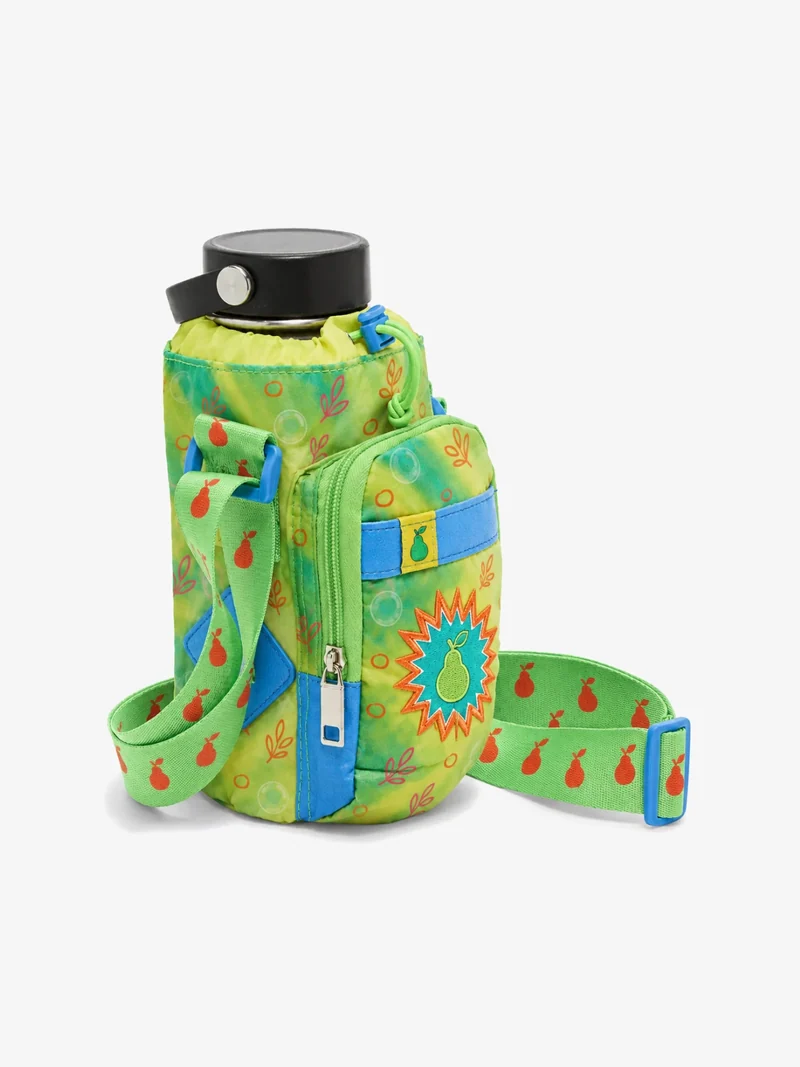
- Bottle and wine cooler bag
- An insulated sleeve or bag shaped around one or more bottles. Related shapes: kids’ bottle bag, bottle bag.
- Insulated delivery or grocery bag
- A large insulated tote or box bag for chilled and frozen shopping or food delivery.
How a cooler bag keeps things cold
A soft cooler slows heat getting in; it does not make cold. Three parts decide how well it does that:
- Insulation: closed-cell foam (EPE, EVA or PU foam) between the outer shell and the liner. Thin lunch bags use about 3–5 mm; picnic coolers 8–15 mm; premium soft coolers 20 mm or more of denser foam.
- Liner: PEVA, aluminium foil laminate or welded TPU. A heat-sealed, leak-proof liner keeps melting ice inside and can be wiped clean; stitched liners leak at the seams.
- Closure: the lid is the weakest point. An overlapping lid, a zip with a storm flap or an airtight TPU zip keeps cold in far better than a plain zip.
Ice packs or frozen bottles placed on top and along the sides, a bag filled close to full, and keeping it out of the sun matter as much as the bag itself. Ice retention claims depend on the test method, so ask how any figure was measured.
Cooler bag sizes
| Size | Volume | Holds about | Use |
|---|---|---|---|
| Lunch cooler | 4–8 L | 6 cans | One person |
| Small cooler bag | 10–15 L | 12–18 cans | Two people, short trips |
| Medium soft cooler | 20–30 L | 24–36 cans | Family picnic, beach day |
| Large soft cooler or rolling cooler | 35–50 L | 45–60 cans | Groups, camping, sports days |
Can counts assume cans only, without ice; with ice packs, plan for about two-thirds of that.
Specifying a cooler bag
Give the factory the type, outside dimensions and volume, the outer fabric (polyester, nylon, canvas or a printed fabric), the insulation type and thickness, the liner and how its seams are made, the closure, straps or wheels, pockets, and the logo method. For bags that carry food, ask for liners that meet the food-contact rules of your market, and test samples for leaks with water before approval. Our sampling guide explains how samples are approved, and the materials chart compares shell fabrics. Browse kids, fashion and backpack styles for shapes a cooler range can start from.
Questions buyers ask
What is the difference between a cool bag and a cooler bag?
None in practice: “cool bag” is the usual British term and “cooler bag” or “soft cooler” the American one for an insulated bag that keeps food and drinks cold.
How long does a cooler bag keep things cold?
From a few hours for a thin lunch bag to a day or more for a thick-walled soft cooler with ice packs, depending on the insulation, the lid seal and the outside temperature.
What size cooler bag do I need?
About 10 to 15 litres for two people on a short trip, 20 to 30 litres for a family picnic, and 35 litres or more for groups and camping.
What is the best insulation for a cooler bag?
Closed-cell foam such as EPE, EVA or PU foam, combined with a heat-sealed, leak-proof liner and a well-sealed lid.