Kids and school backpack manufacturing
Connect5 makes back-to-school backpacks, kids mini backpacks and matching accessories for brands and retailers. Here is how to plan a range: sizes by age, the features buyers expect, safety rules and timing.
On this page
Styles to start from
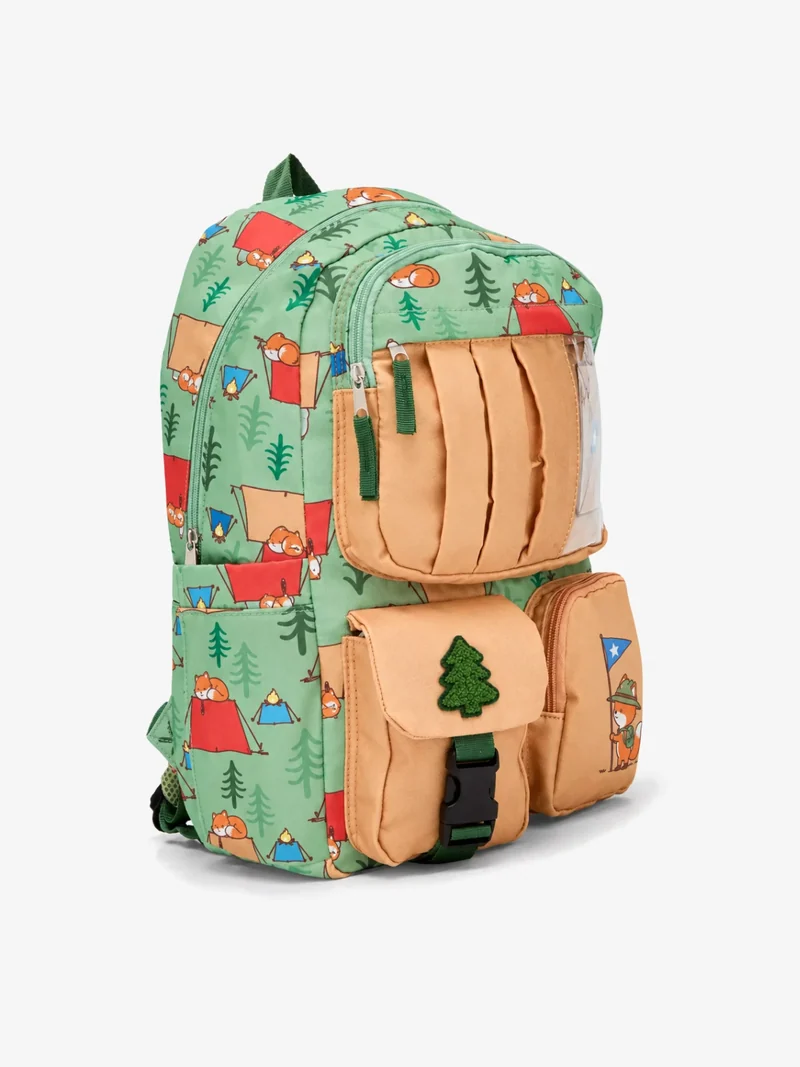
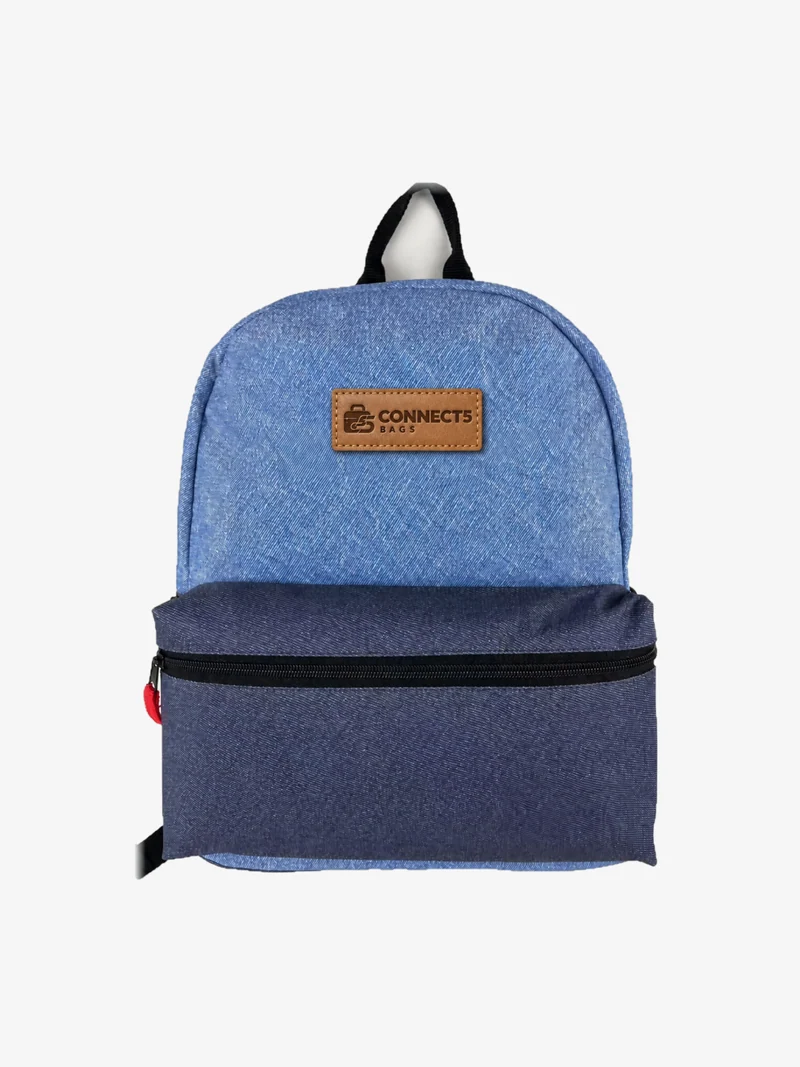
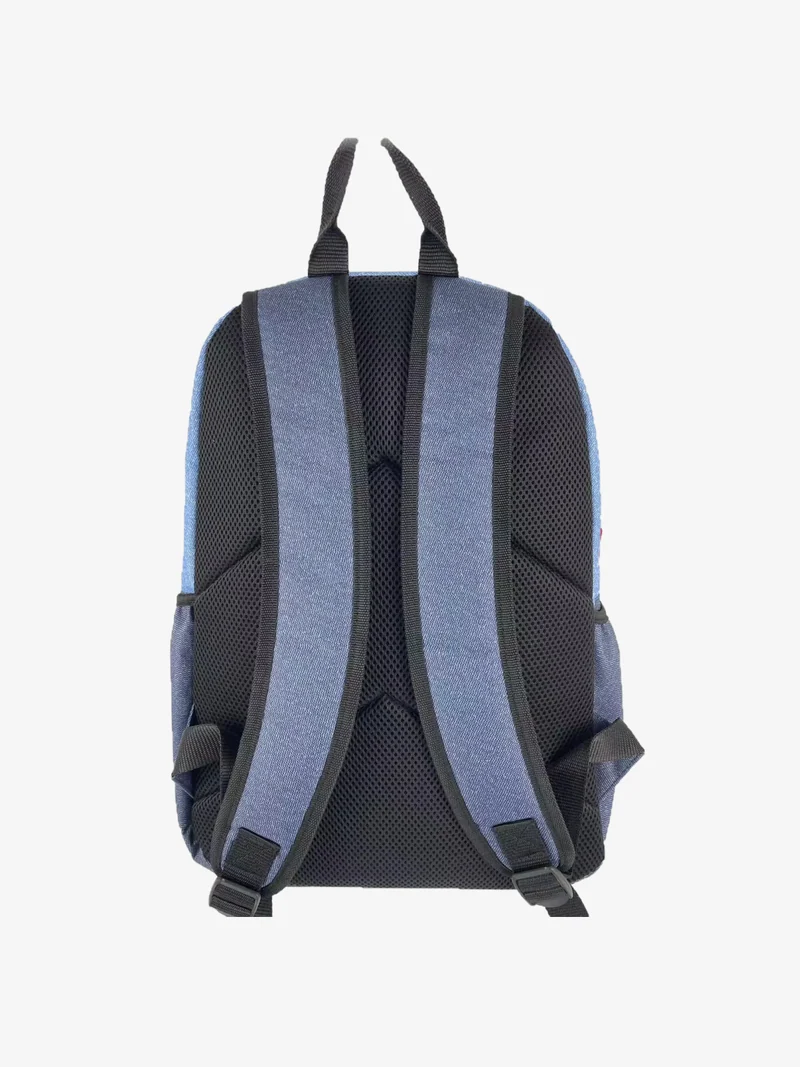
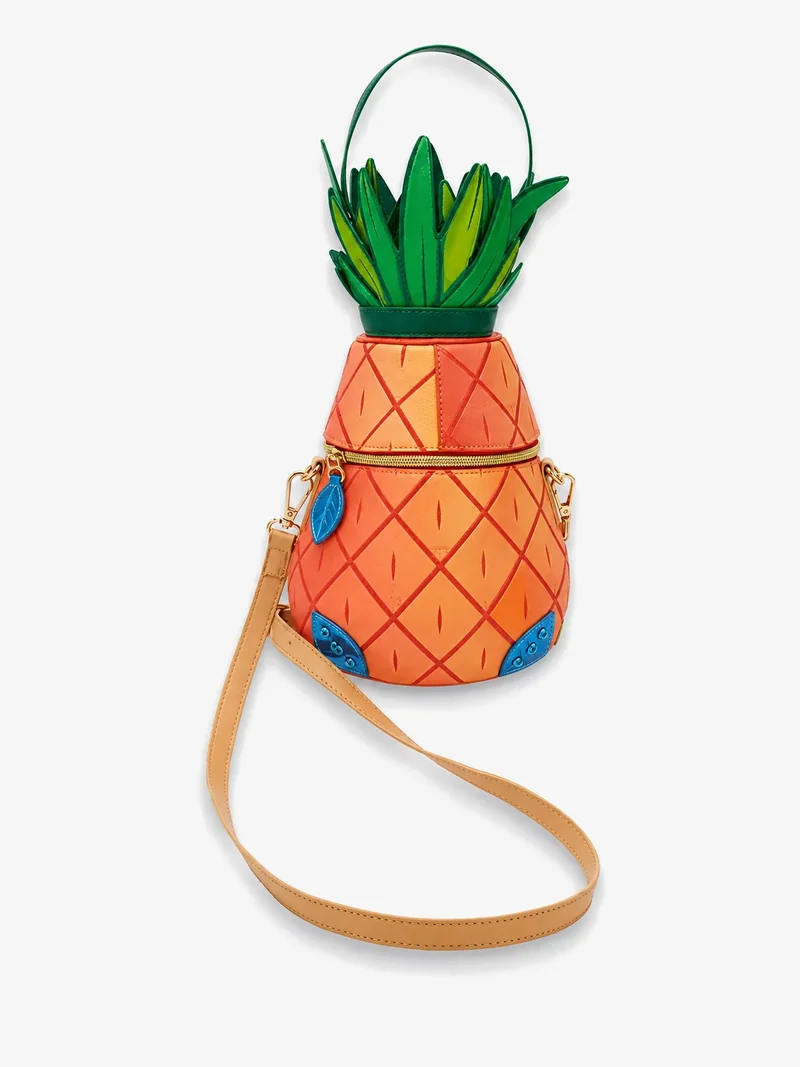
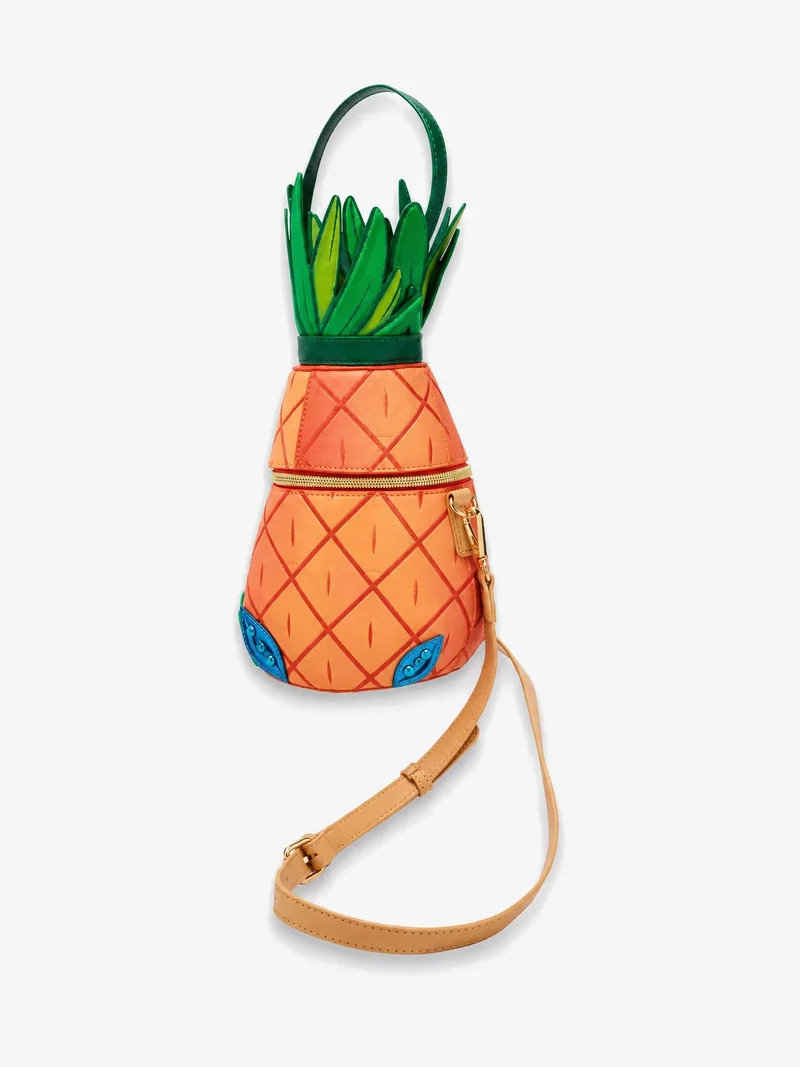
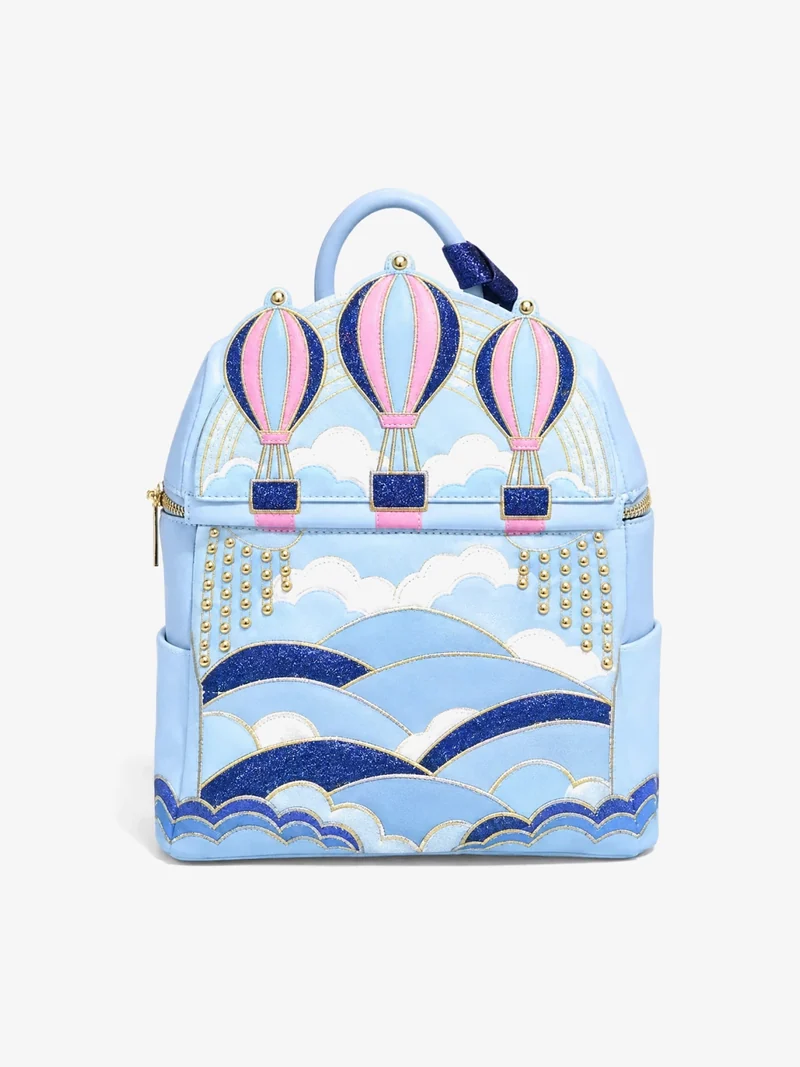
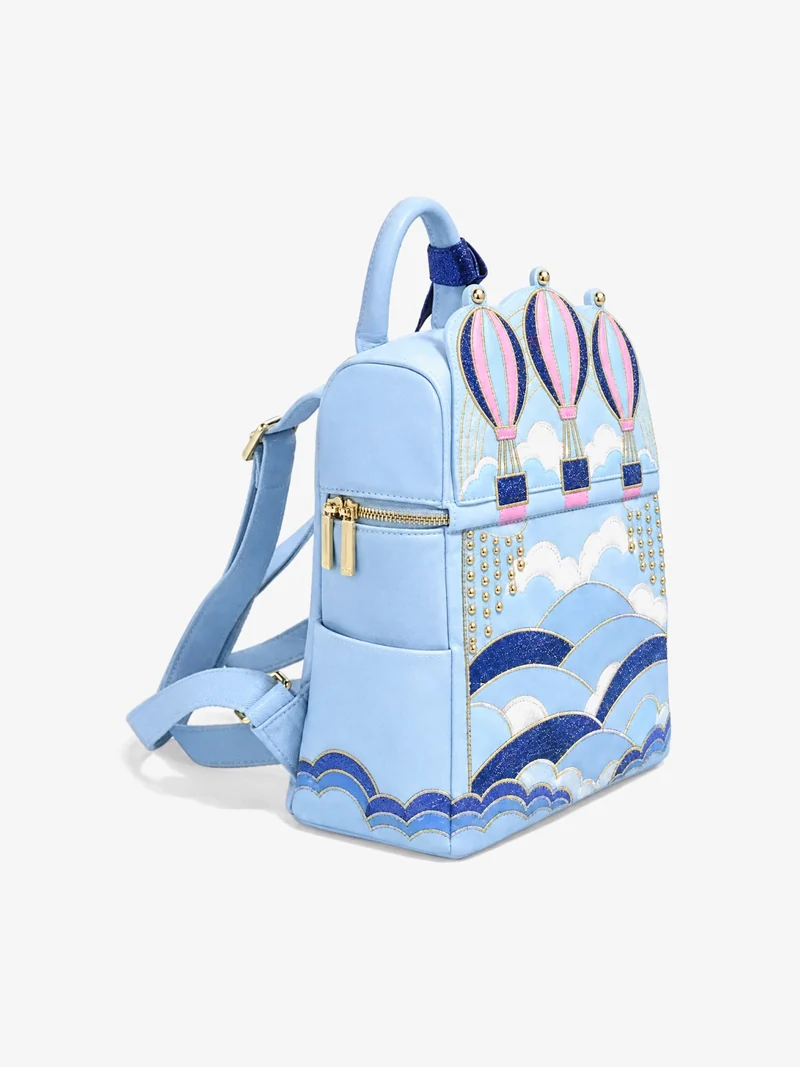
Building a school bag range
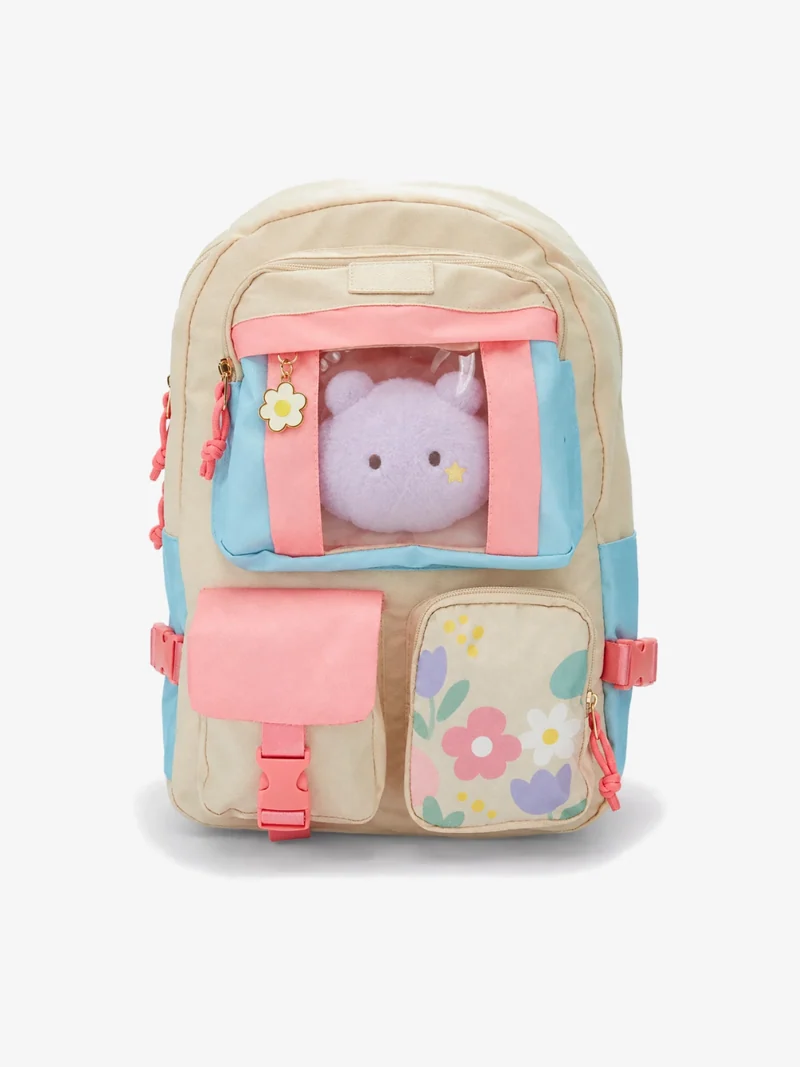
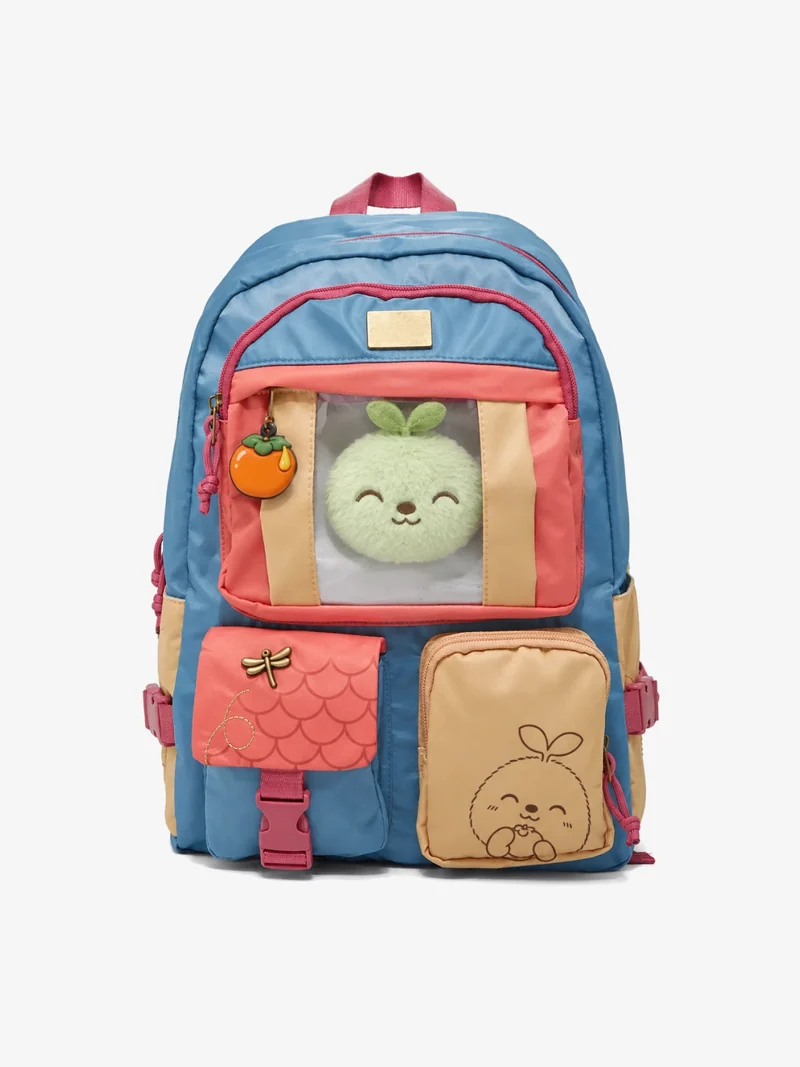
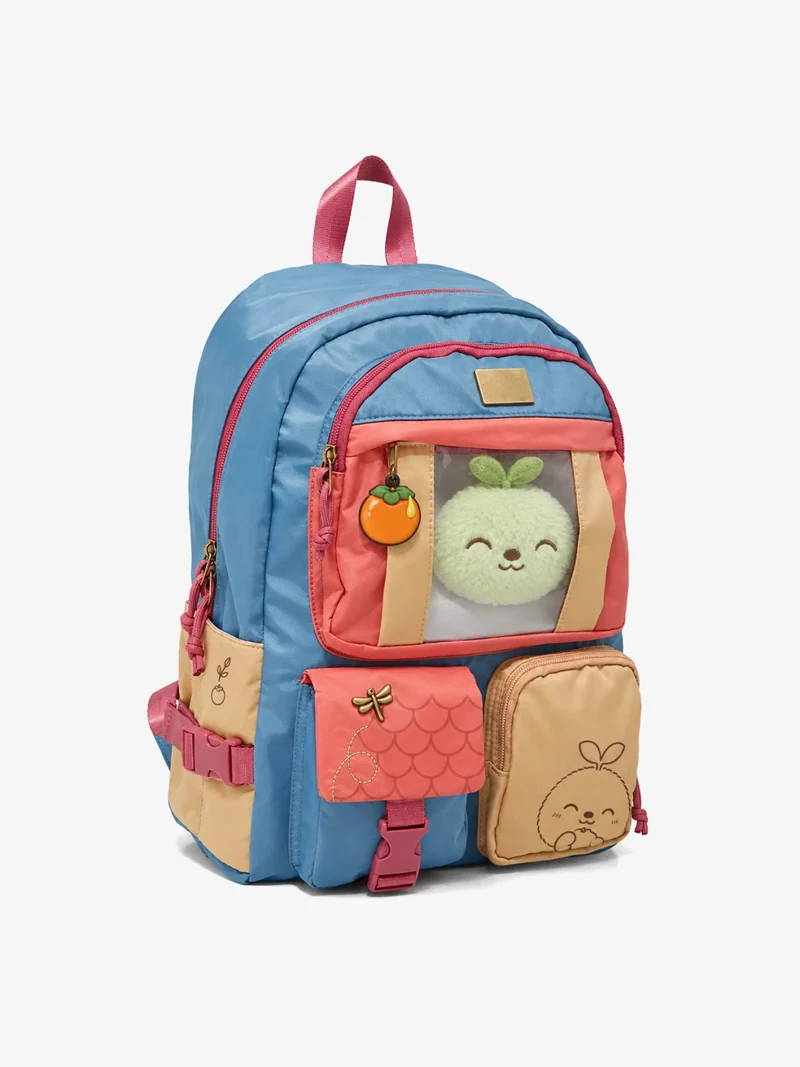
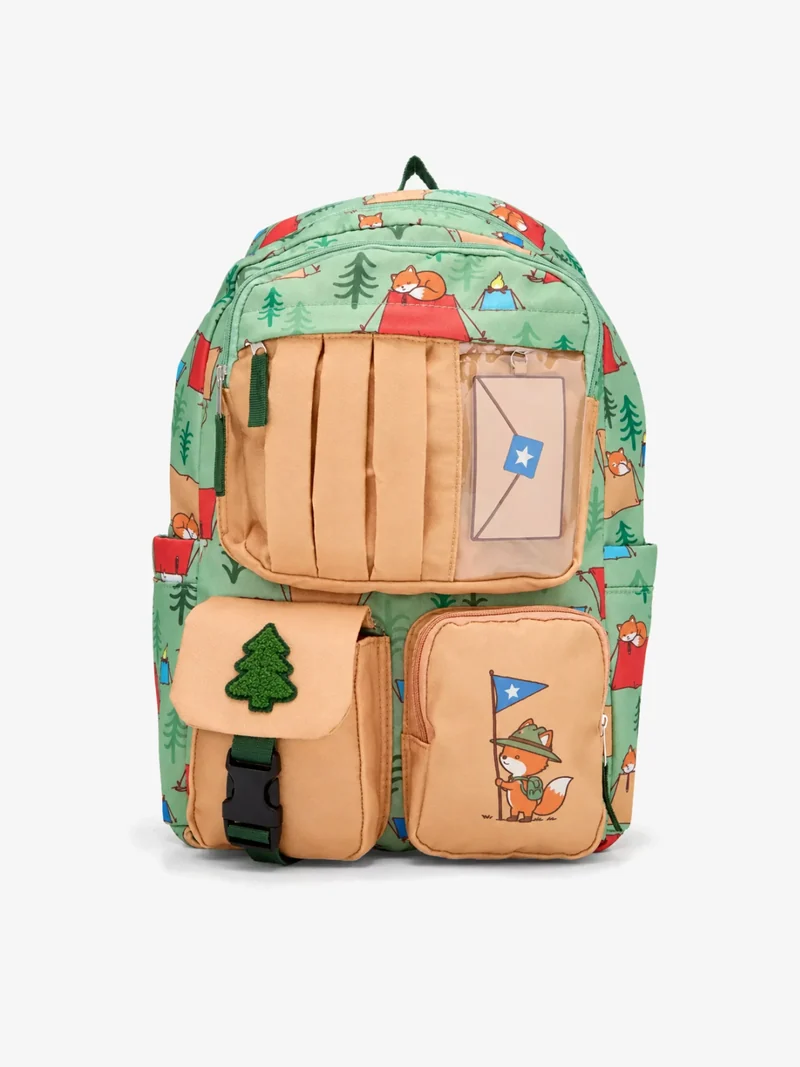
A typical private label school range has three sizes in shared artwork, plus accessories that sell with them:
| Size | Age | Typical height | Typical volume |
|---|---|---|---|
| Mini or toddler | 3–5 | 25–32 cm (10–12.5 in) | 5–9 L |
| Junior | 6–10 | 35–40 cm (14–16 in) | 12–18 L |
| Senior | 11 and over | 42–47 cm (16.5–18.5 in) | 20–30 L |
Matching pieces often include a lunch or bottle bag, a pencil case or pouch, and a wristlet or belt bag. Our kids bag collection has bottle bags, pouches, wristlets and mini backpacks; the BTS backpack collection has the school sizes. More measurements are in the backpack size chart.
Features school buyers ask for
- Two wide, padded shoulder straps and a padded back panel; a chest strap on senior sizes.
- A front pocket with organiser, side bottle pockets and a padded tablet or laptop sleeve on senior sizes.
- Reflective trims or patches for visibility on the way to school.
- A name label or ID window inside the bag.
- Wipe-clean or coated fabric and a reinforced base.
- Durable zips with large pullers that small hands can grip.
- Ergonomic details for older children: an adjustable or contoured shoulder strap, a ventilated back panel and load-spreading compartments that keep heavy books close to the back.
- Artwork: all-over prints, patchwork, patches, embroidery or window pockets for interchangeable inserts.
Safety and compliance
Bags designed mainly for children fall under children's product rules in many markets. In the United States, products for children aged 12 and under are covered by the CPSIA: lead and phthalate limits, a permanent tracking label and a Children's Product Certificate based on third-party testing. The EU, the UK, Canada and Australia have their own chemical and labelling rules.
Agree the target market, the test list and the laboratory before production, so materials are chosen to pass. Physical checks matter too: no small parts that detach, no sharp edges, secure pullers and strong strap anchors. The quality control checklist covers them.
Planning back-to-school orders
School bags are seasonal, and retailers fix their delivery windows early. Work back from the date the goods must be in store: shipping time, then bulk production, then sampling and material lead times, then design. For a Northern Hemisphere season that starts in August or September, many brands finalise designs in the preceding autumn or winter. Australian and New Zealand school years start in late January or February, so their ranges run about half a year earlier. See how bags are manufactured for each stage.
Ordering kids and school bags from Connect5
Our Cambodian factory in Phnom Penh has eight production lines for handbags, backpacks and wallets, and our Guangdong factory makes cosmetic bags, handbags and wallets (see About Us). Pick styles from the collections, tell us your sizes, artwork, target market and quantities, and we will propose materials and a sampling plan. The Connect5 catalogue artwork shows design directions; your own artwork replaces it.
Questions buyers ask
What size school backpack is right for a 7 year old?
A junior size, typically 35–40 cm (14–16 in) tall and 12–18 litres. The bag should not be wider than the child’s torso and its base should sit at or just above the waist.
Do kids backpacks need testing to be sold in the US?
Bags designed mainly for children aged 12 and under are children’s products under the CPSIA, which requires third-party testing at a CPSC-accepted lab, a Children’s Product Certificate and tracking labels.
When should I order back-to-school backpacks?
Plan backwards from your in-store date: allow for shipping, bulk production and sampling. Many brands finalise school ranges six to nine months before the season.
Can I put my own artwork on a catalogue backpack?
Yes. Prints, patches, embroidery and colours are developed per order, and your artwork replaces the design shown in our photos.