Types of handbags and purses
The names of the main handbag styles, how to tell them apart, and what each one means for a brand that wants to make it. Where we have one, an example from the Connect5 catalogue is linked.
On this page
How handbag types are grouped
Most bag names describe one of three things: how the bag is carried (by hand, on the shoulder, across the body, on the wrist or the waist), its shape (bucket, barrel, half-moon, box) or its use (camera bag, phone bag, weekender). Many styles are combinations: a “quilted crossbody camera bag” is a camera-bag shape, carried crossbody, in quilted fabric.
Carried on the shoulder or by hand
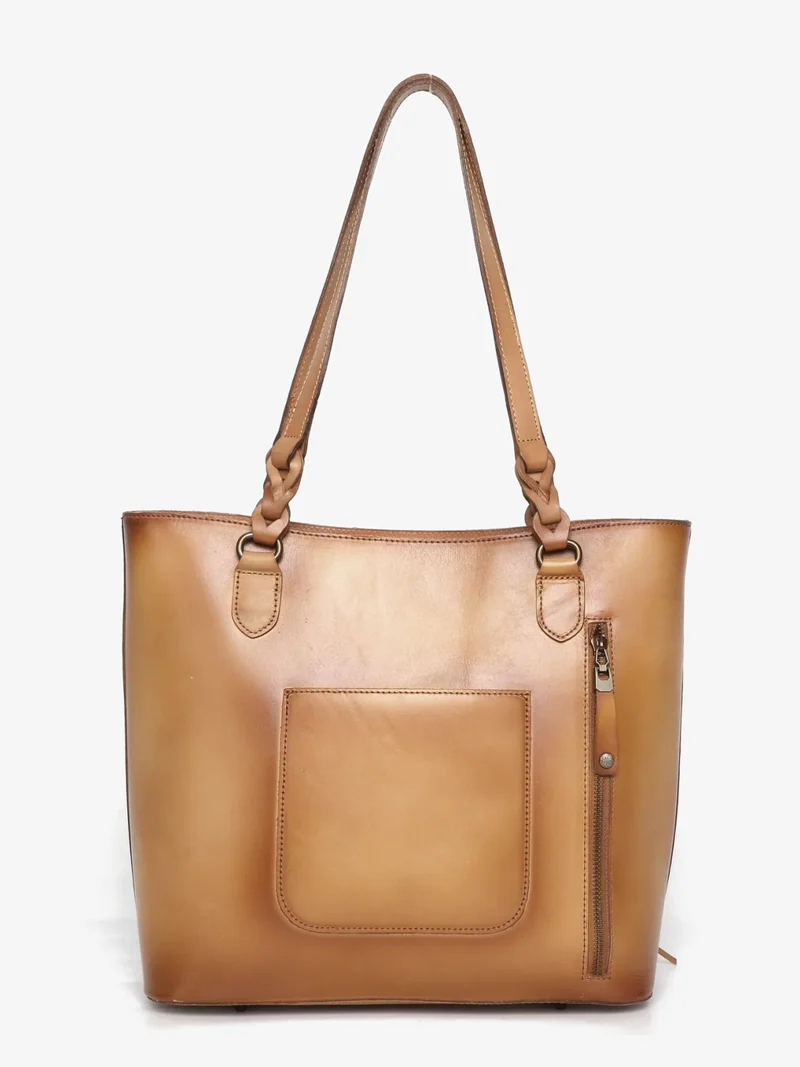
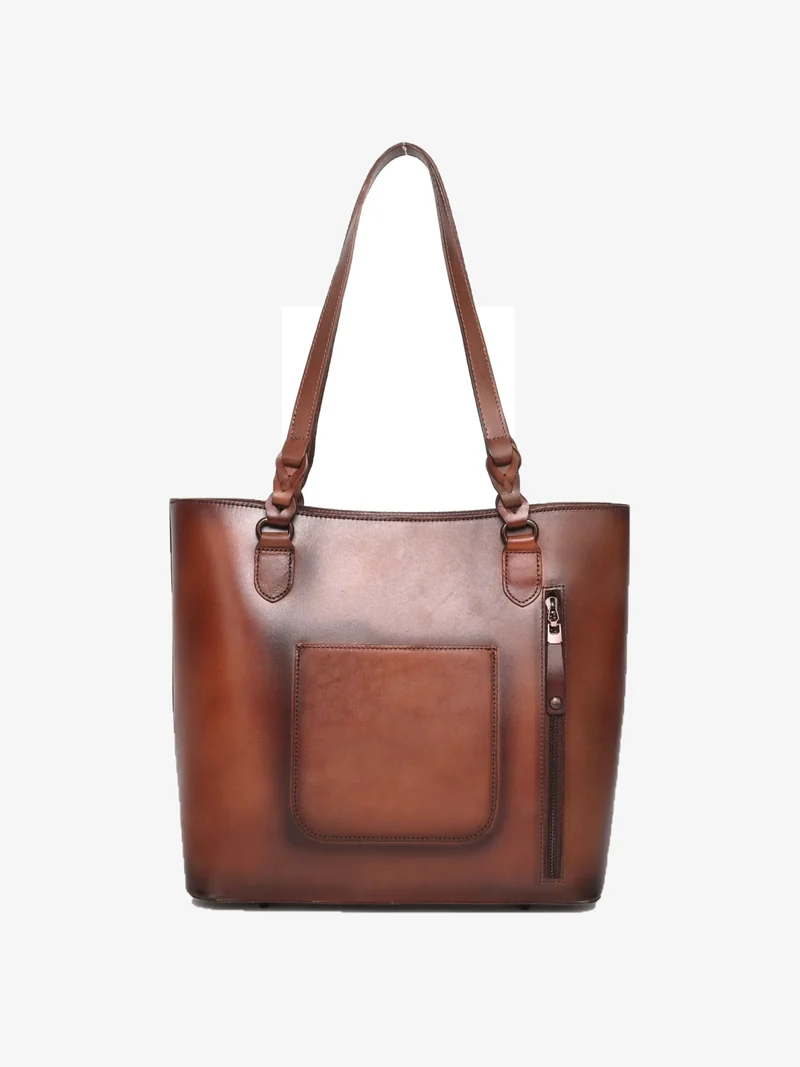
- Tote
- Open or zip-top bag with two parallel handles, roomy and usually unstructured. Example: Pocket Tote, striped tote. See tote bag sizes.
- Mini tote
- A small tote with short handles, carried in the hand. Example: red handle mini tote.
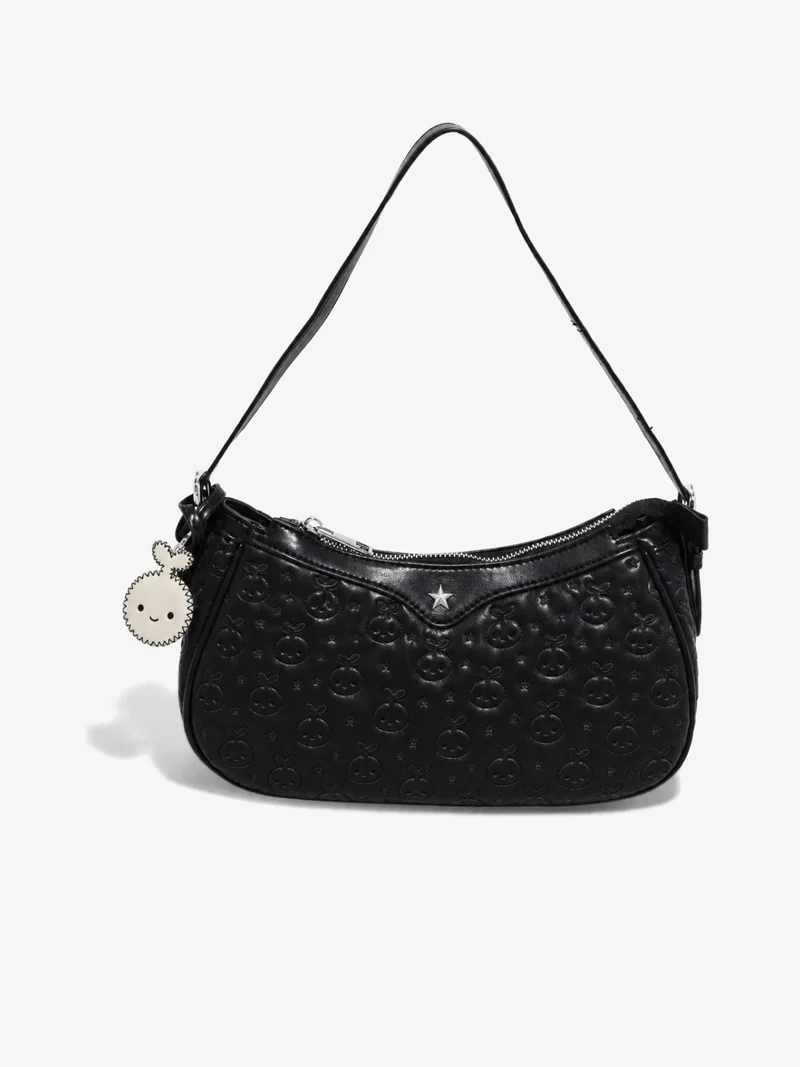
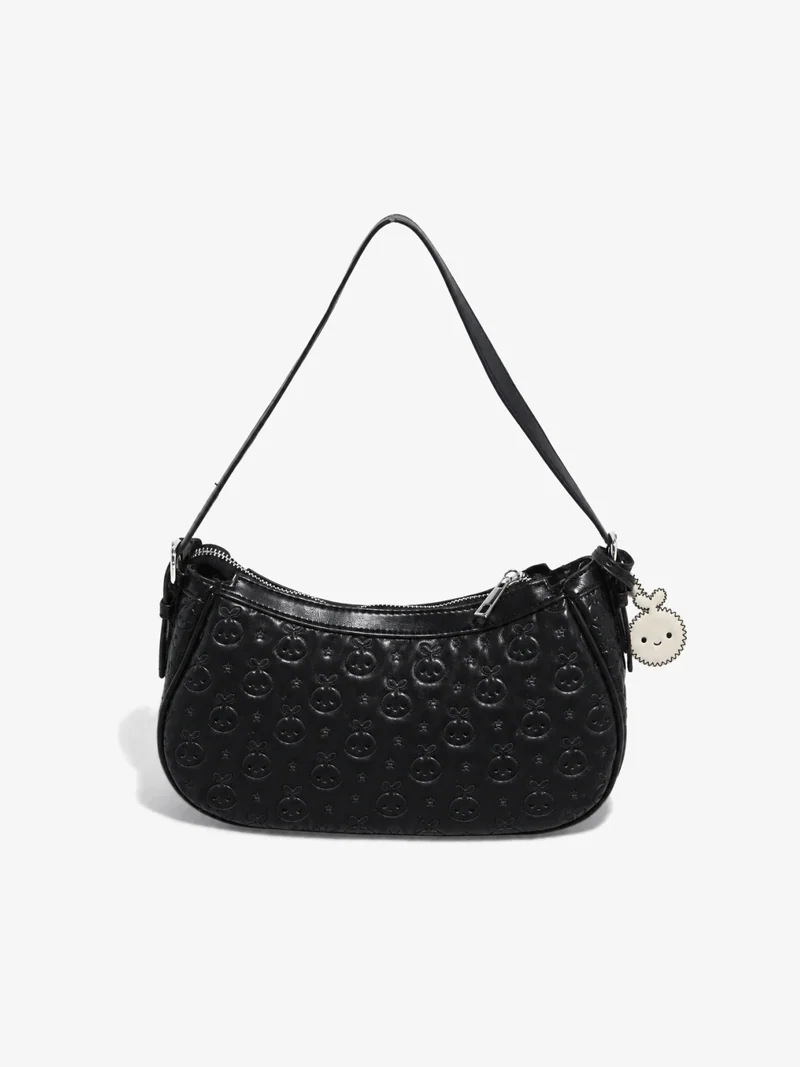
- Shoulder bag
- Medium bag on a strap long enough to sit under the arm. The everyday category. Example: embossed shoulder bag.
- Hobo
- Soft, slouchy crescent shape on a single shoulder strap that lets the bag sag in the middle.
- Satchel
- Structured bag with a flat base, a top handle and often a flap; carried by hand or on a strap.
- Top-handle bag
- Any structured bag designed to be carried by a short top handle. Example: printed top-handle bag.
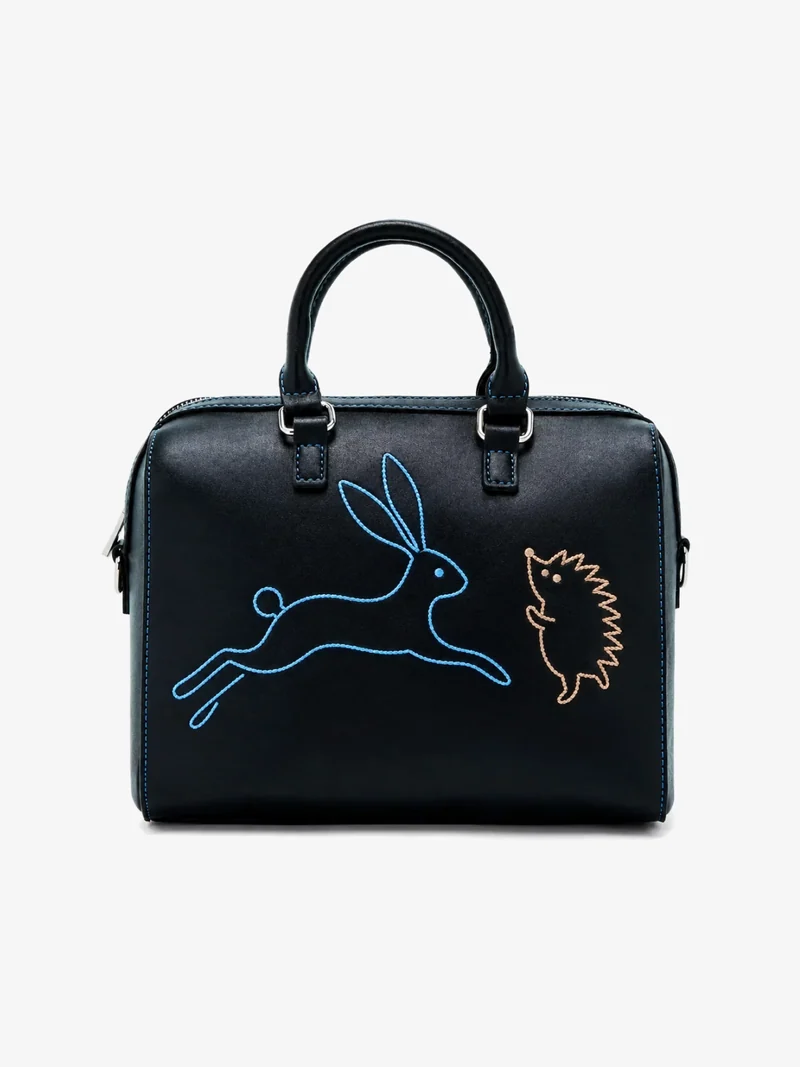
- Bowler
- Rounded, dome-shaped bag with two top handles and a zip running over the top, inspired by bowling-ball bags. Example: printed bowler bag.
- Bucket bag
- Cylindrical bag with a round or oval base, closed by a drawstring or magnetic snap.
- Carryall
- Large, sturdy tote meant to hold a full day’s things. Example: carryall.
- Baguette
- Small, narrow, elongated bag carried under the arm on a short strap.
Worn across the body
- Crossbody
- Small to medium bag on a long strap worn across the chest, leaving the hands free. “Crossbody” describes how it is worn, so many shapes come in a crossbody version. Example: zip crossbody.
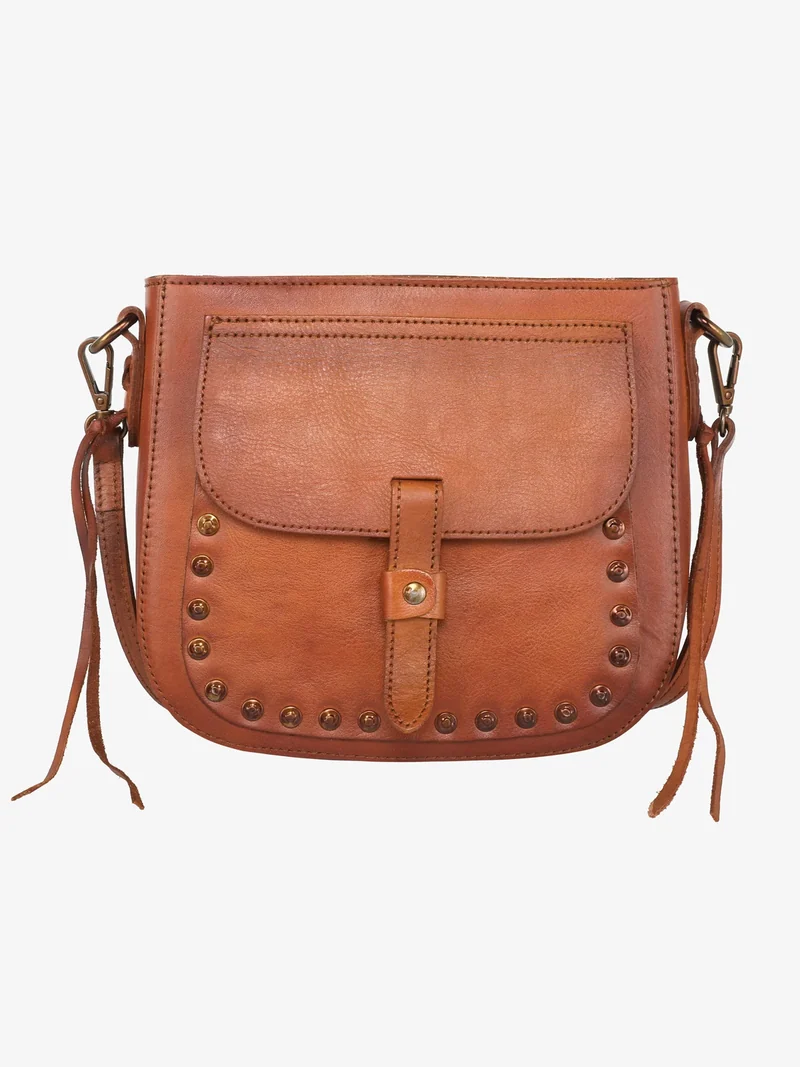
- Saddle bag
- Half-moon or curved-bottom bag with a flap, based on a horse saddlebag. Example: saddle crossbody.
- Camera bag
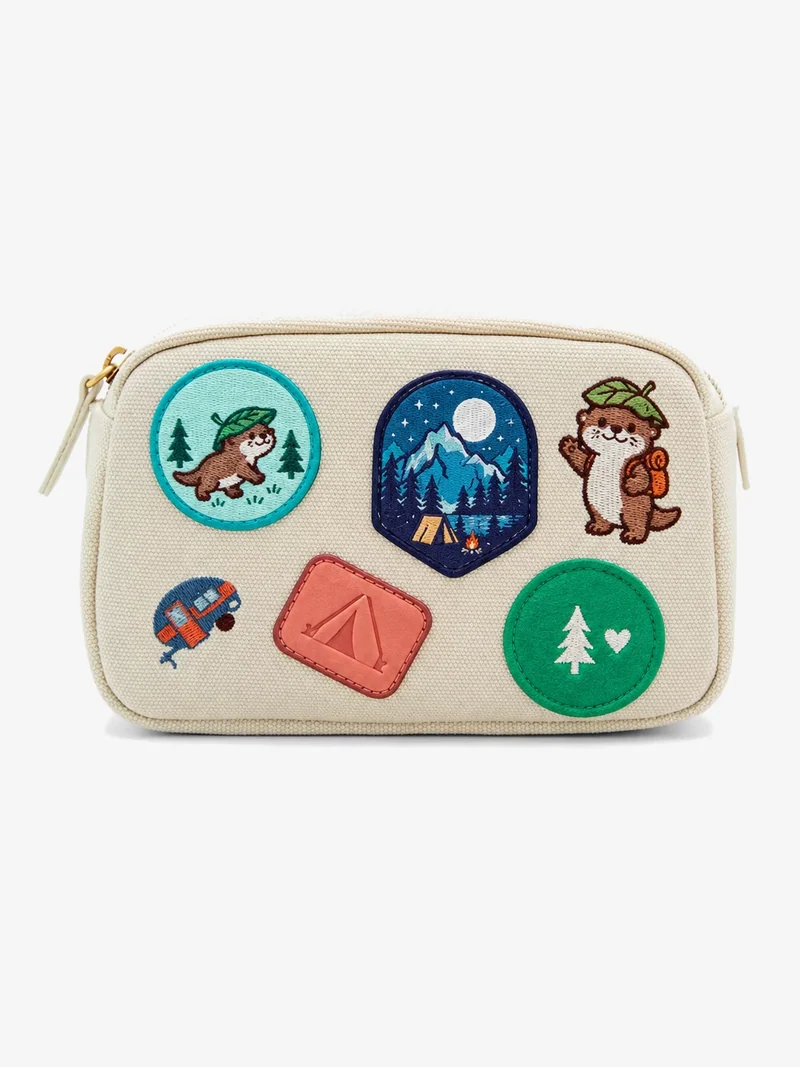
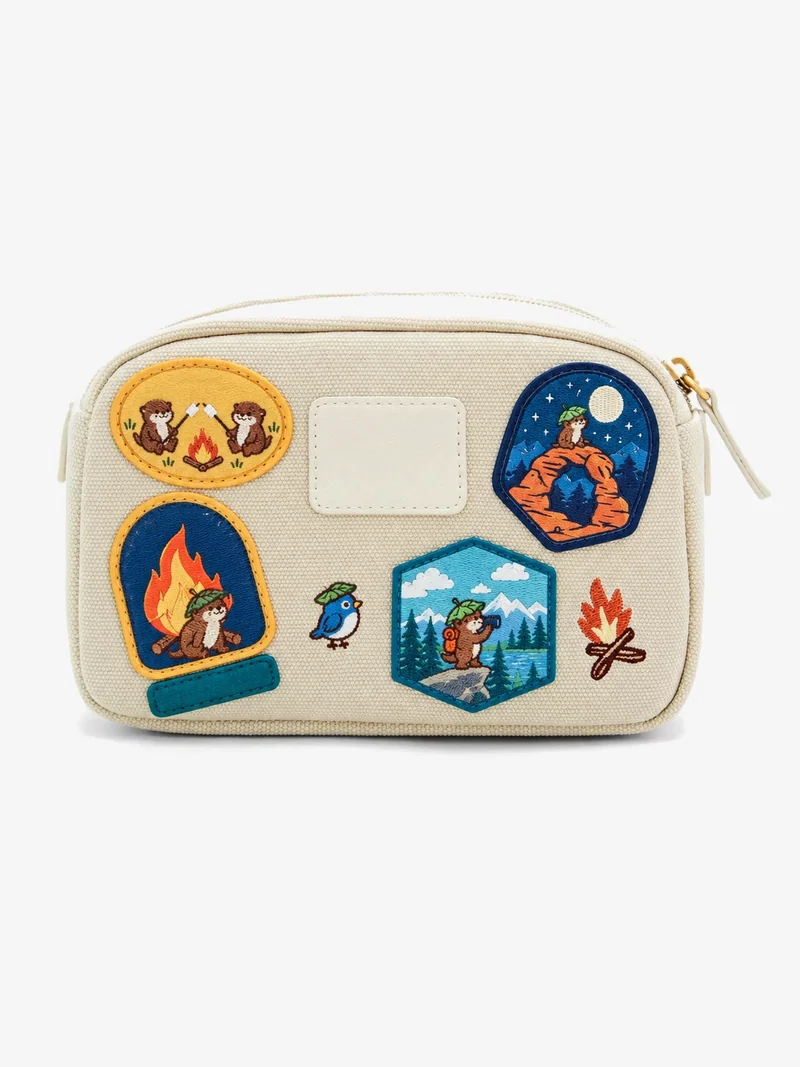
- Compact, boxy crossbody with a zip-around top, originally shaped to carry a camera. Example: patch camera bag.
- Flap bag
- Bag closed by a fold-over flap, often with a turn lock or magnetic snap. Example: bow flap bag.
- Messenger bag
- Larger flap-over bag on a wide strap, originally for documents and laptops.
- Sling bag
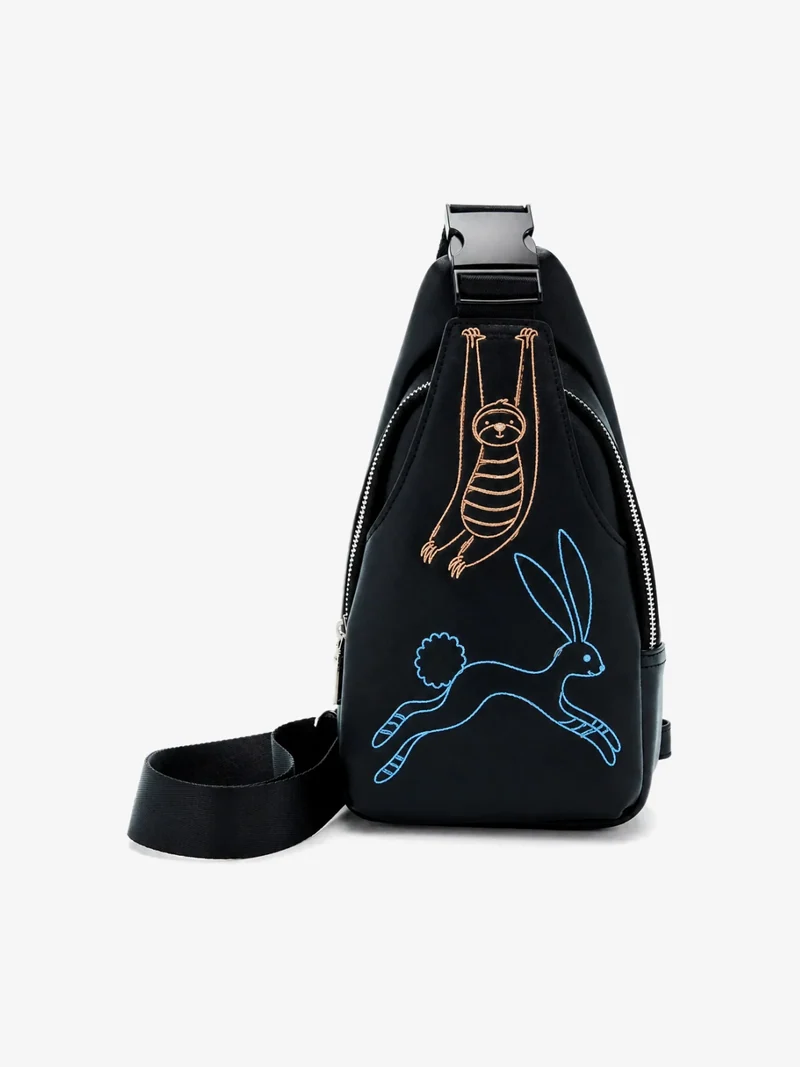
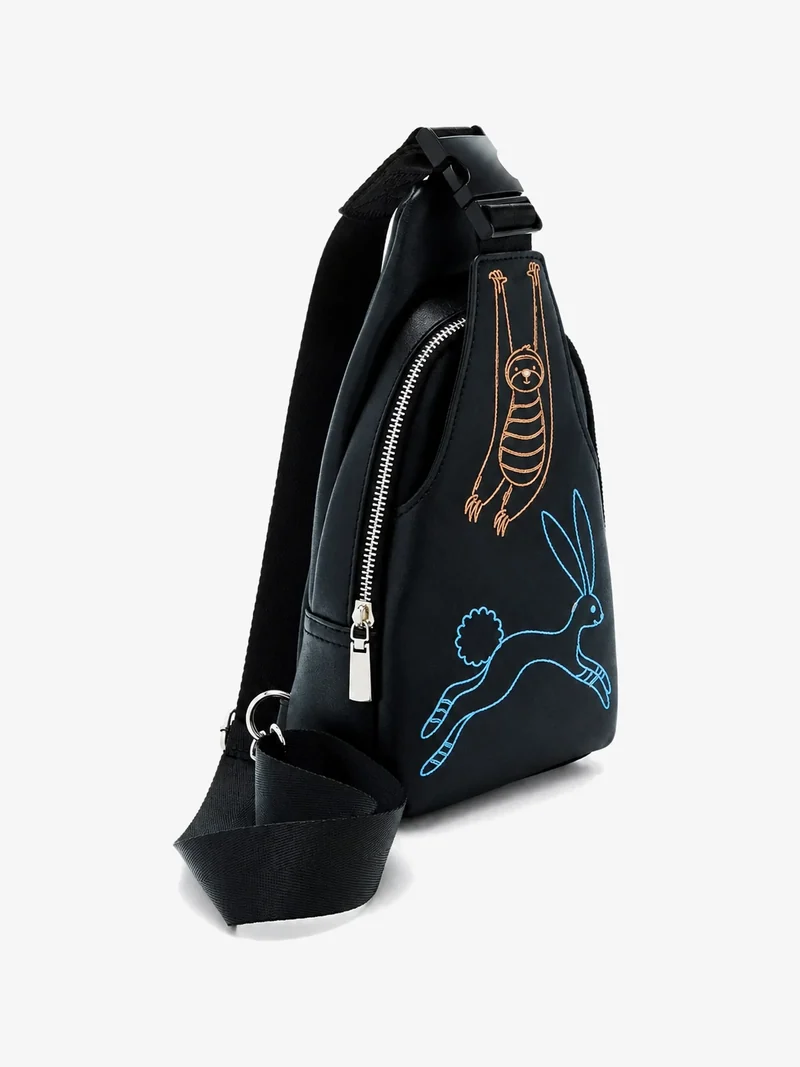
- Bag on a single strap worn across the back or chest, between a crossbody and a backpack. Example: printed sling.
- Phone bag
- Small crossbody or pouch sized for a phone and cards. Example: rivet phone pouch.
Small bags: wrist, hand and waist
- Clutch
- Small bag with no handle or strap, held in the hand; evening and occasion wear.
- Wristlet
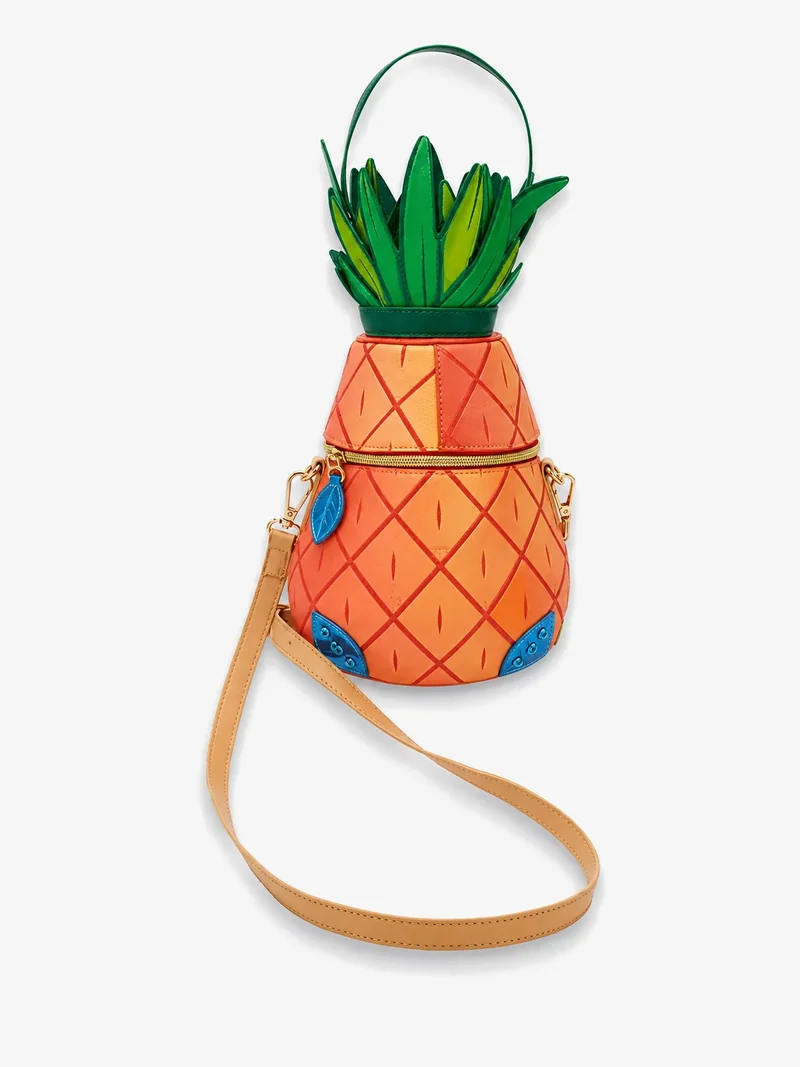
- Small pouch or wallet with a wrist strap, usually zip-top. Examples: pineapple wristlet, printed wristlet.
- Belt bag
- Zip pouch on a belt worn at the waist or across the body; also called a waist bag, bum bag or fanny pack. Example: pastel belt bag.
- Pouch
- Flat or gusseted zip bag for cosmetics, cables or small items; often sold with a larger bag. Example: oval pouch.
- Wallet and cardholder
- Small leather goods for money and cards. A cardholder is slimmer, with card slots only. Examples: flap wallet, zip cardholder. See types of wallets.
Backpacks and travel bags
- Mini backpack
- Fashion backpack small enough to replace a handbag. Example: pineapple mini backpack.
- Weekender
- Structured travel bag sized for two or three days. Example: charcoal weekender. See duffel bag manufacturing.
- Duffel
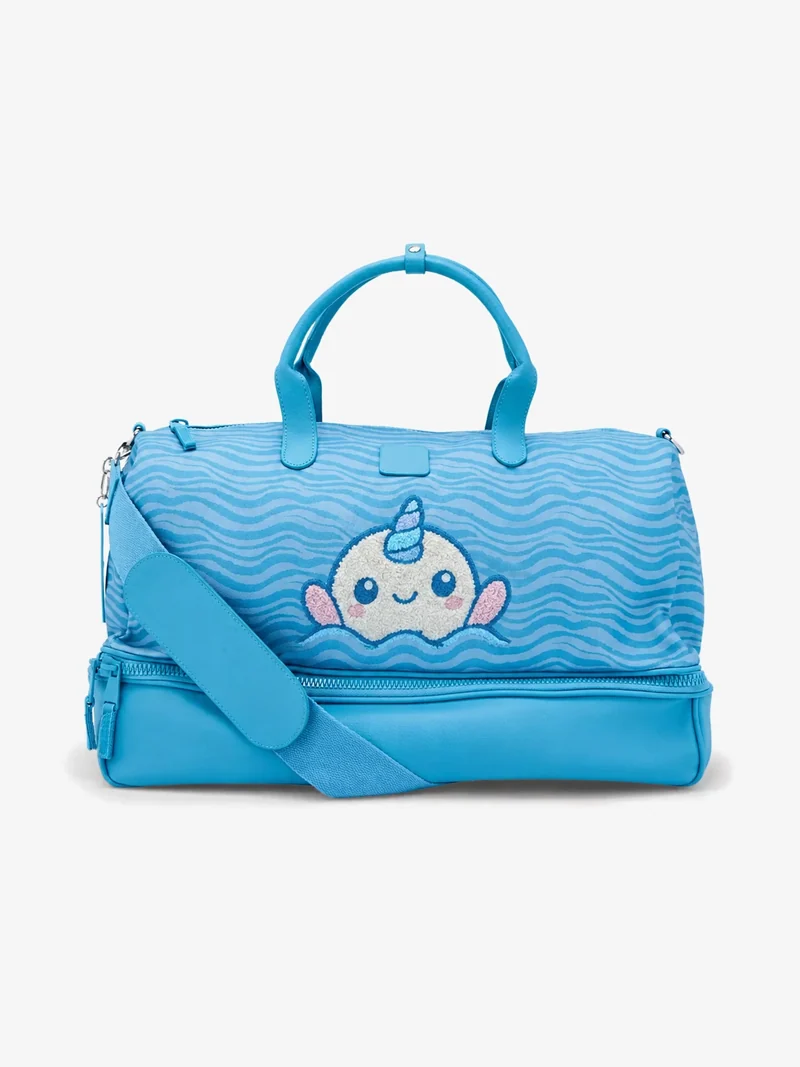
- Soft, roomy travel or sport bag with two handles and a shoulder strap. Example: blue wave duffel bag.
What the type means when you make it
- Structured bags (satchels, bowlers, camera bags, top-handle bags) need stiffeners, a firm base and precise patterns. They take more sample rounds and cost more to make.
- Soft bags (totes, hobos, slings, pouches) have fewer parts and are quicker to develop, so they suit a first collection.
- Small leather goods (wallets, cardholders, wristlets) are detail work: edge finishing and card-slot accuracy decide the quality.
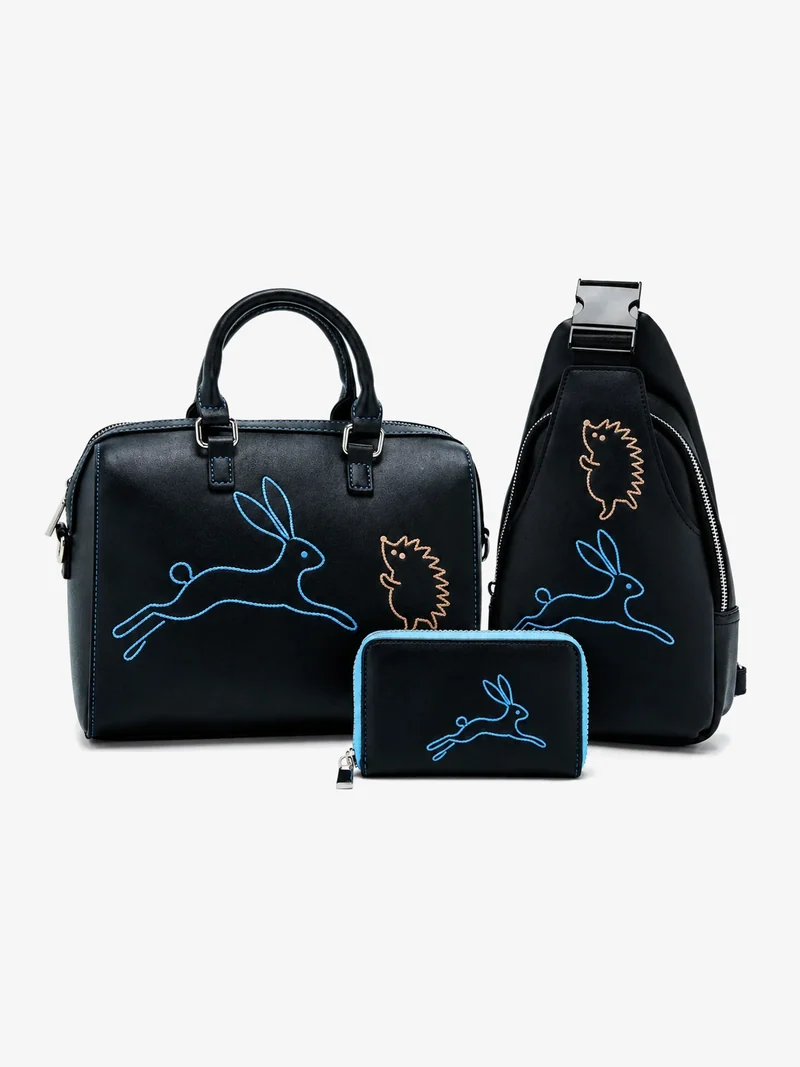
- Sets (a tote with a matching pouch, a backpack with a wristlet) add value without a new pattern for the main bag.
The parts of a handbag guide names the components you will specify for each type.
Questions buyers ask
What are the main types of handbags?
The core types are totes, shoulder bags, crossbodies, satchels, hobos, bucket bags, clutches and wristlets, plus shape or use names such as bowler, saddle, camera bag and baguette.
What is the difference between a crossbody and a shoulder bag?
A shoulder bag hangs from one shoulder on a shorter strap. A crossbody has a longer strap worn diagonally across the body, so it stays in place and leaves the hands free.
What is the difference between a satchel and a tote?
A satchel is structured, with a flat base, a top handle and usually a flap or zip. A tote is softer and open or zip-topped, with two parallel handles.
What is a wristlet?
A small zip pouch or wallet with a strap that loops around the wrist, used for a phone, cards and keys.