Types of wallets
The main wallet styles, how they differ, their usual sizes, and which suit men, women and different ways of carrying money. Written by a factory that makes wallets and cardholders for brands.
On this page
Folding wallets
- Bifold
- Folds once down the middle, with card slots on both sides and a full-length note compartment. The classic men’s wallet; closed size is usually about 11 × 9 cm (4.5 × 3.5 in).
- Trifold
- Folds twice into three panels, so it holds more cards and receipts but is thicker in a pocket.
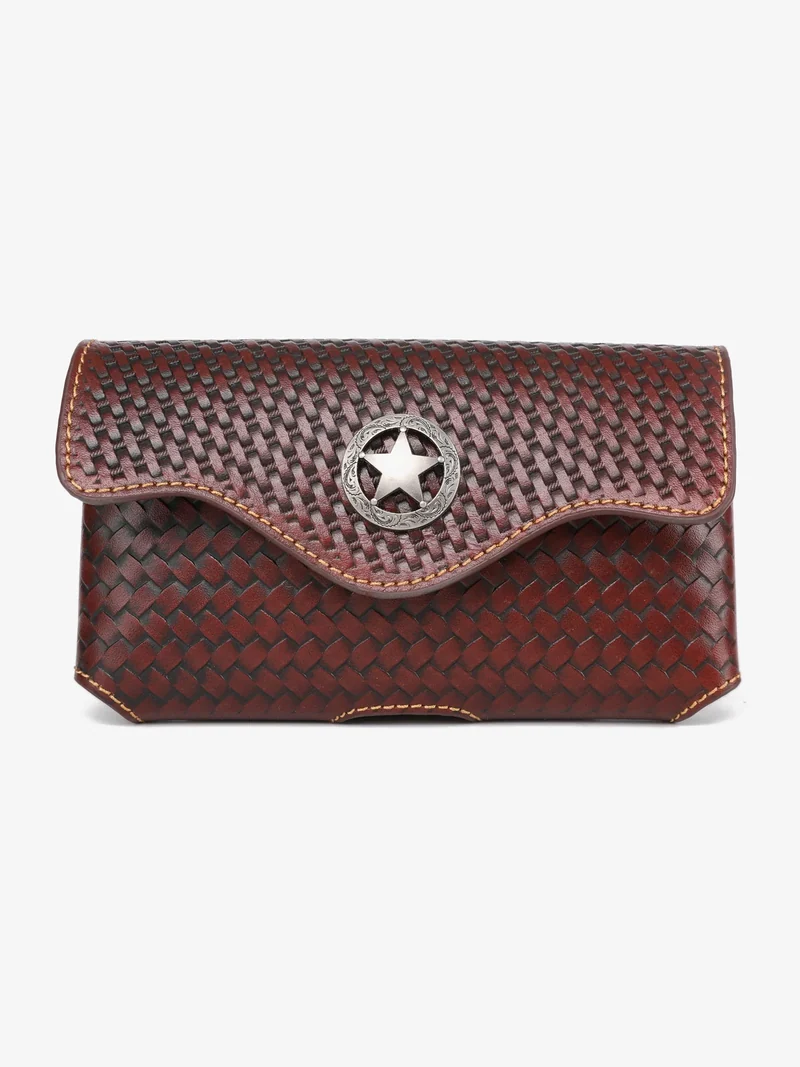
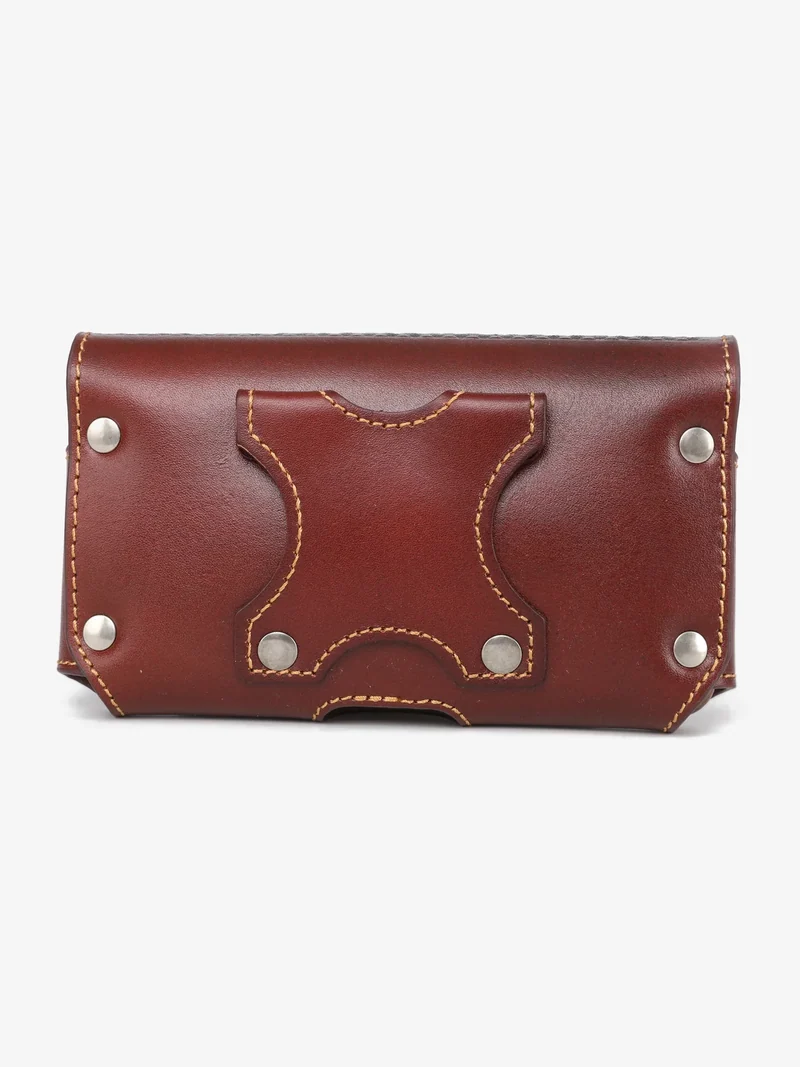
- Flap wallet
- A pouch or card case closed by a fold-over flap with a snap or magnet. Example: western flap wallet with a belt loop.
- Long wallet (checkbook wallet)
- A tall wallet, about 19 × 9–10 cm, that keeps notes flat and fits a jacket’s inside pocket or a handbag rather than a trouser pocket.
Slim and minimalist wallets
- Cardholder (card case)
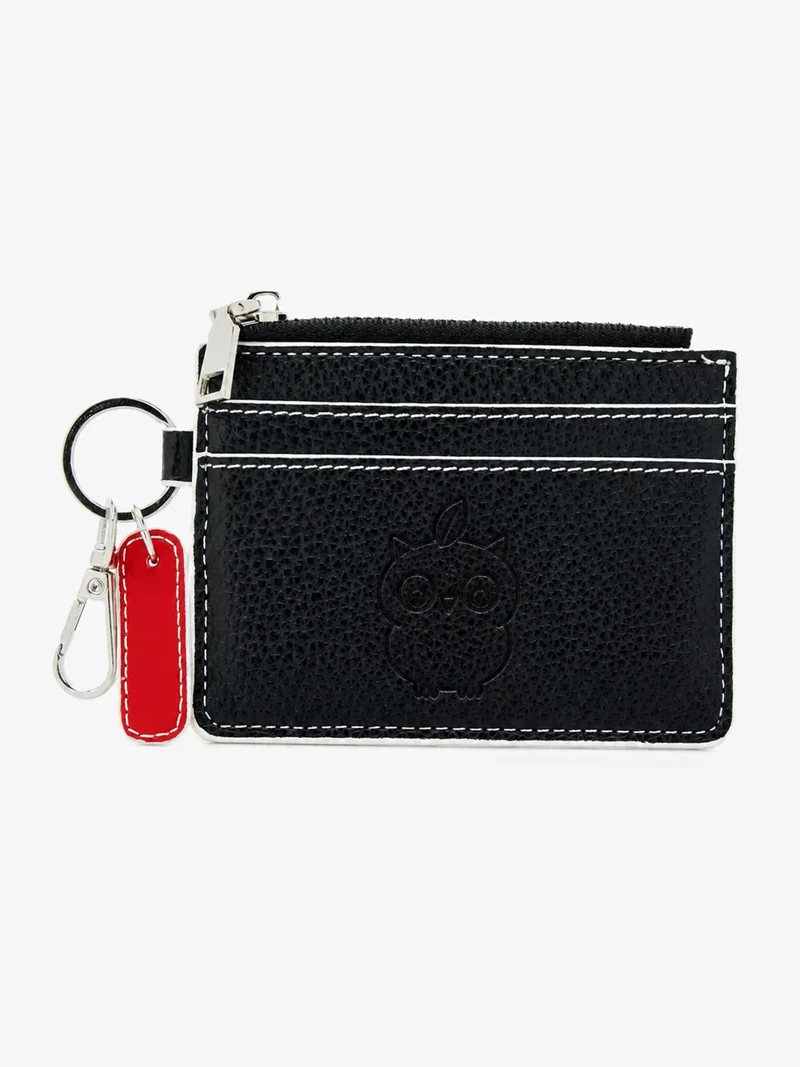
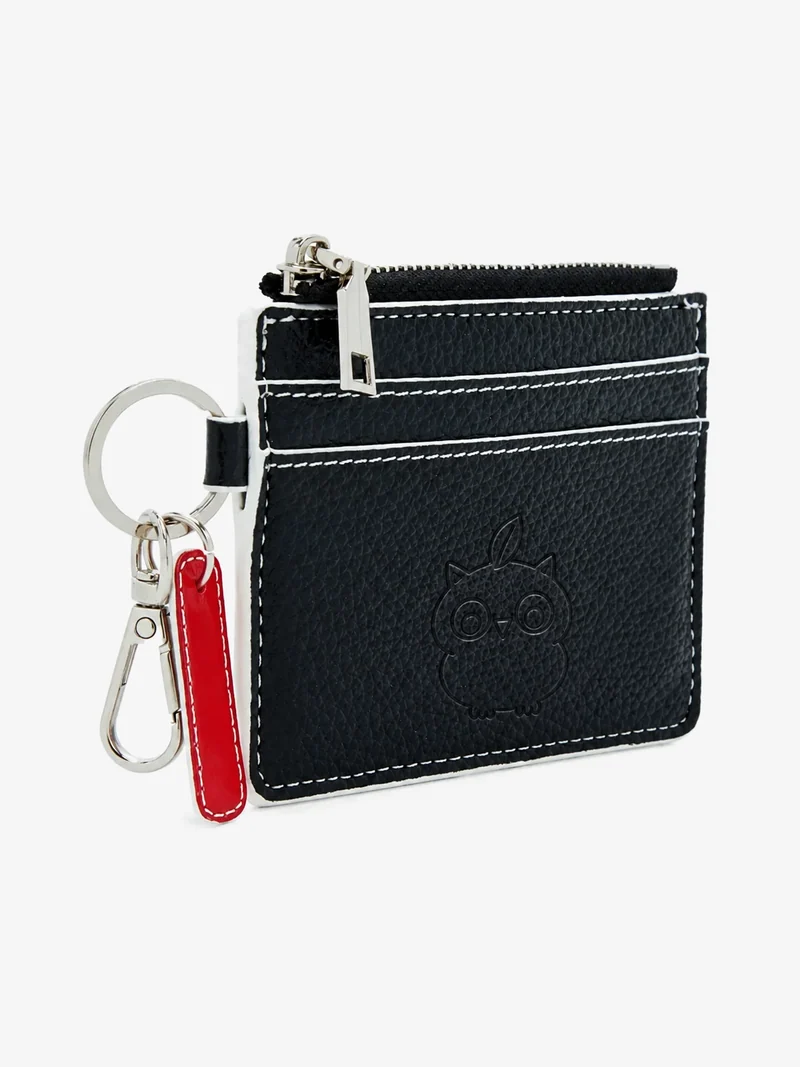
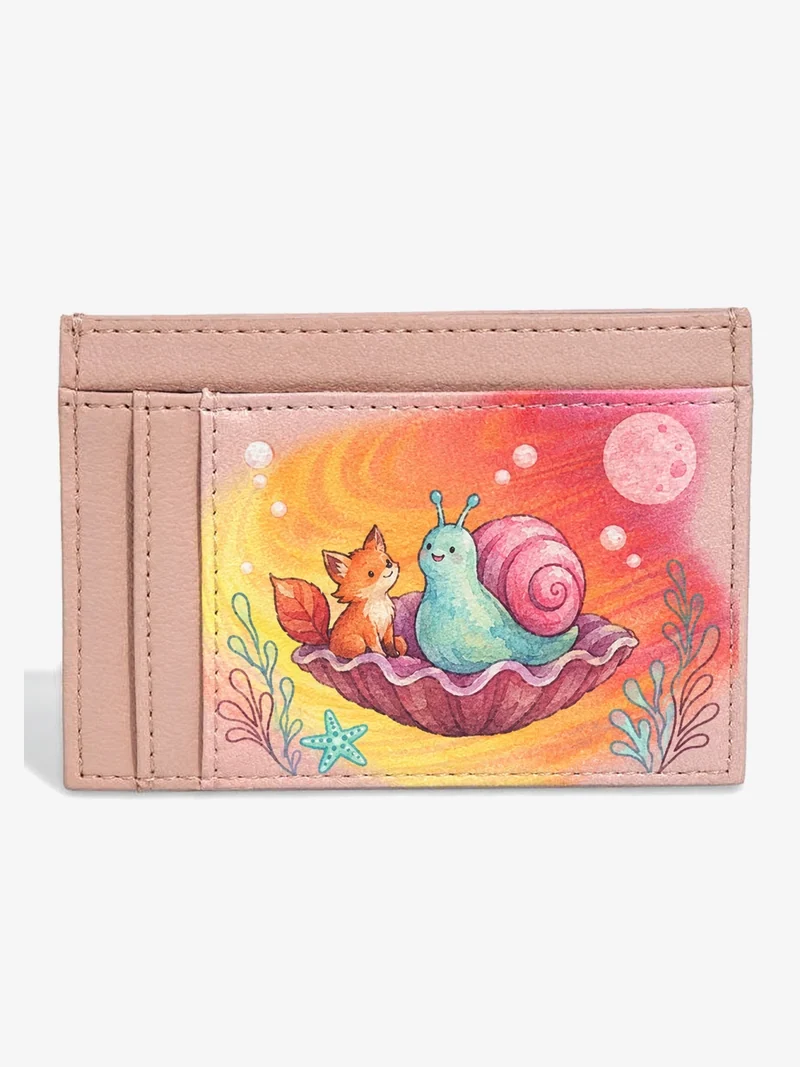
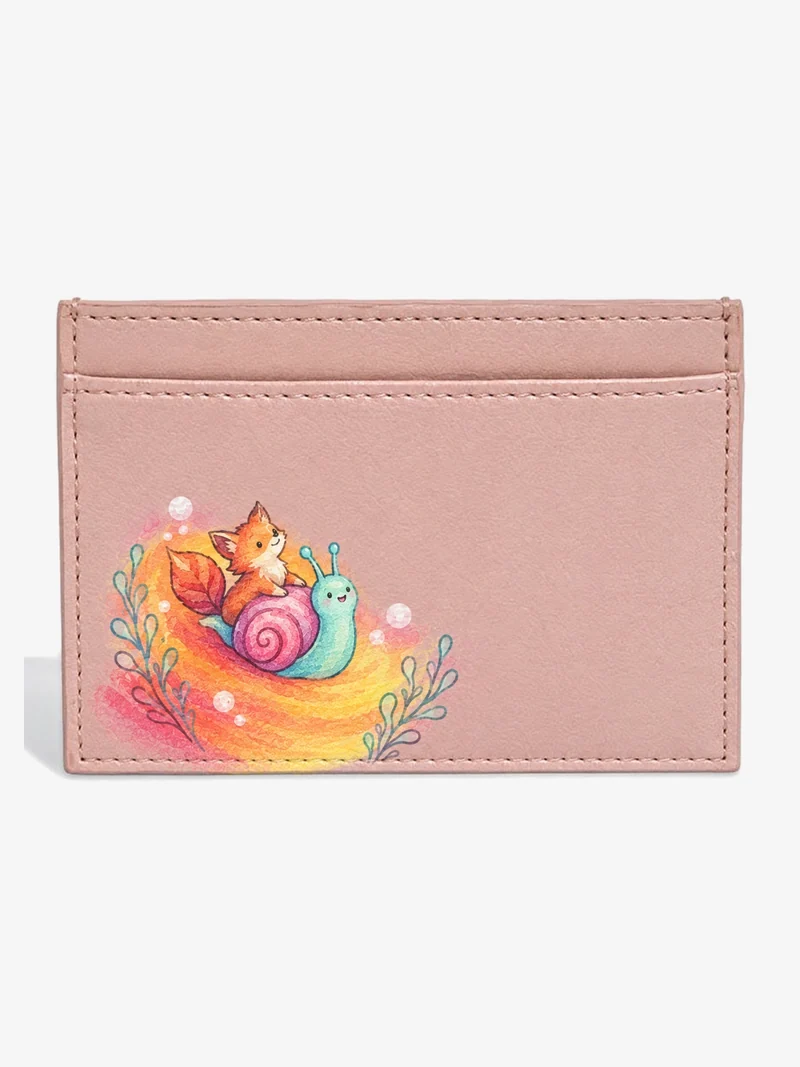
- A flat sleeve with a few card slots and often a central pocket for folded notes. The most popular small leather good in fashion ranges. Examples: zip cardholder, printed cardholders.
- Slim (minimalist) wallet
- A thin bifold or sleeve built around four to eight cards, made to sit flat in a front pocket.
- Money clip wallet
- A slim card wallet with a spring clip or band on the outside for folded notes.
- Front pocket wallet
- Any slim wallet shaped to be carried in a front trouser pocket, harder to pickpocket than a back-pocket bifold.
- Card holder with ID window
- A card case with a clear window for an ID or transit card. Example: card holder with a clear back window.
Zip, wristlet and phone wallets
- Zip-around (continental) wallet
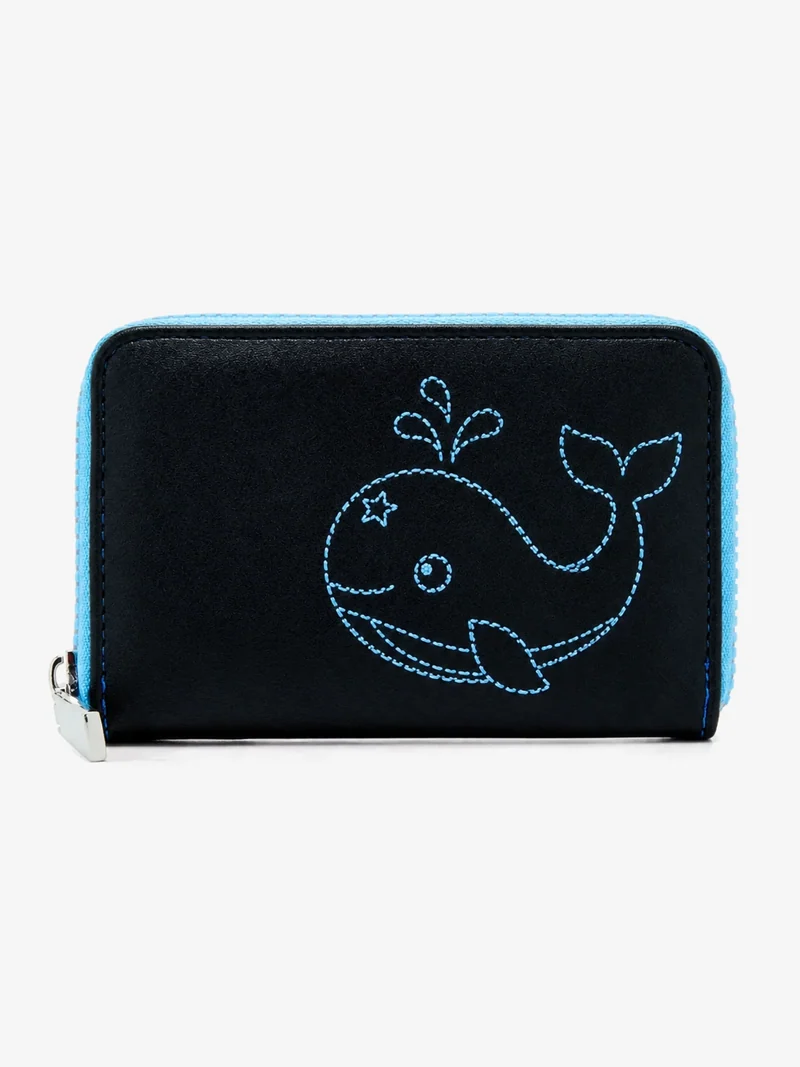
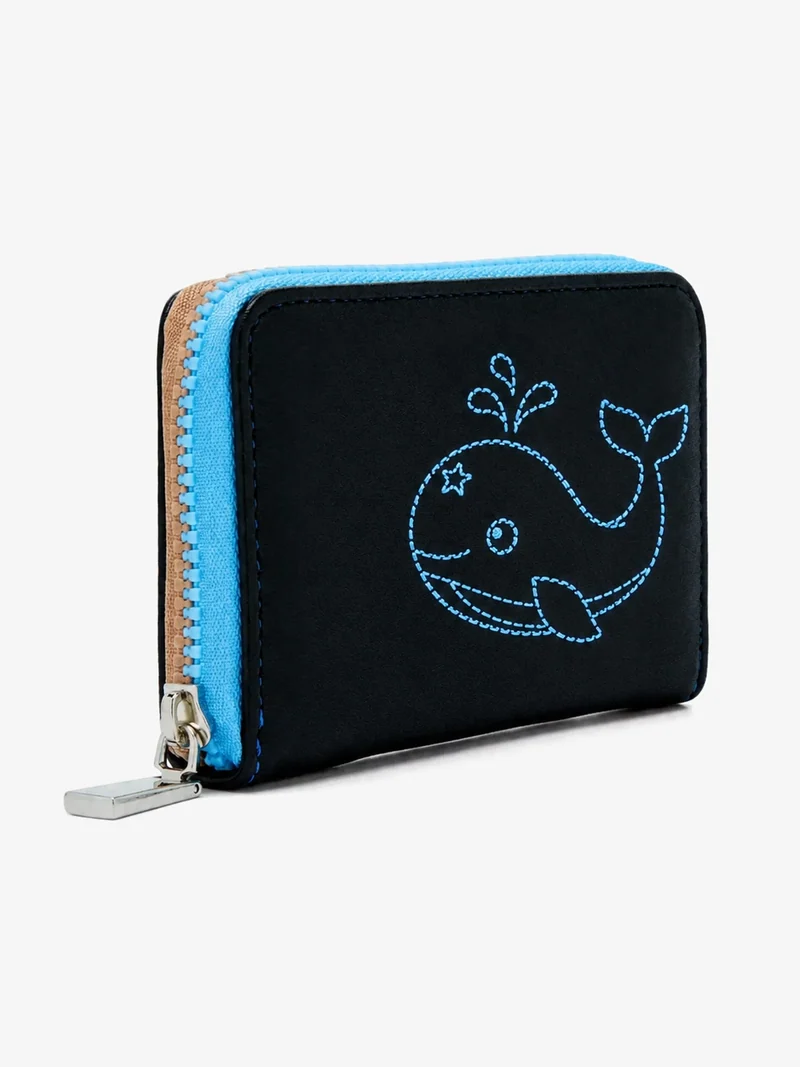
- A zip runs around three sides so nothing falls out; inside are card slots, note sections and often a zipped coin pocket. A staple of women’s ranges in long and compact sizes. Example: compact zip-around wallet.
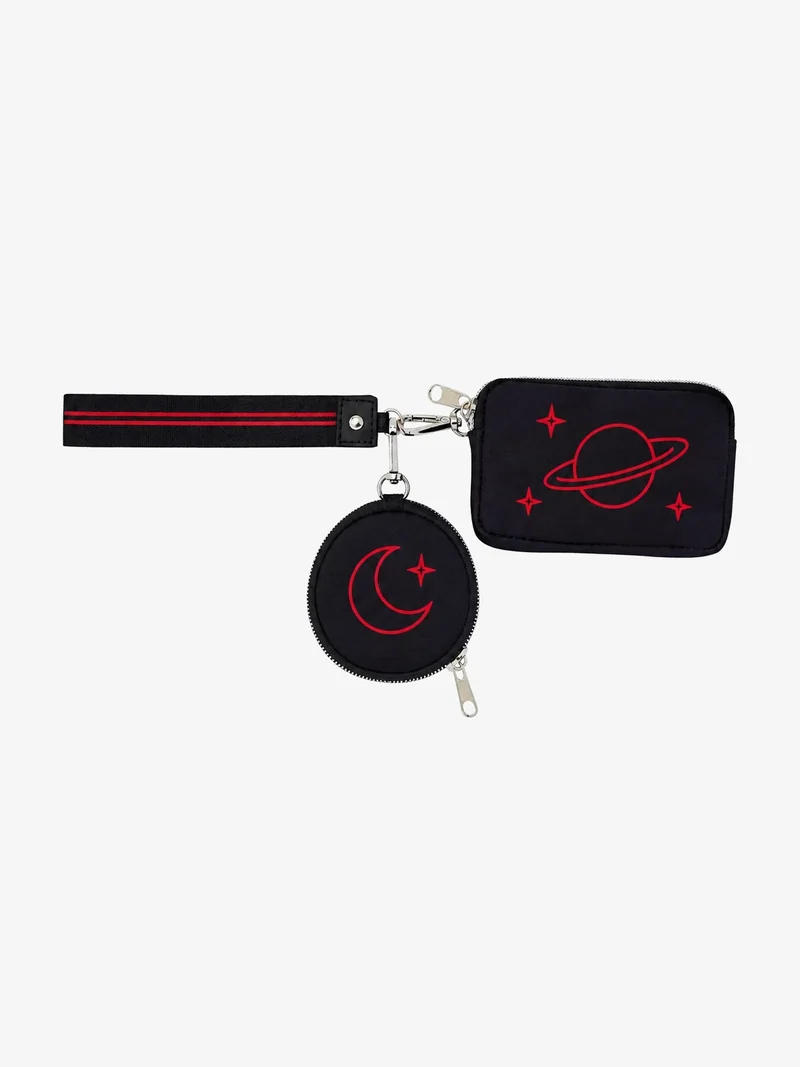
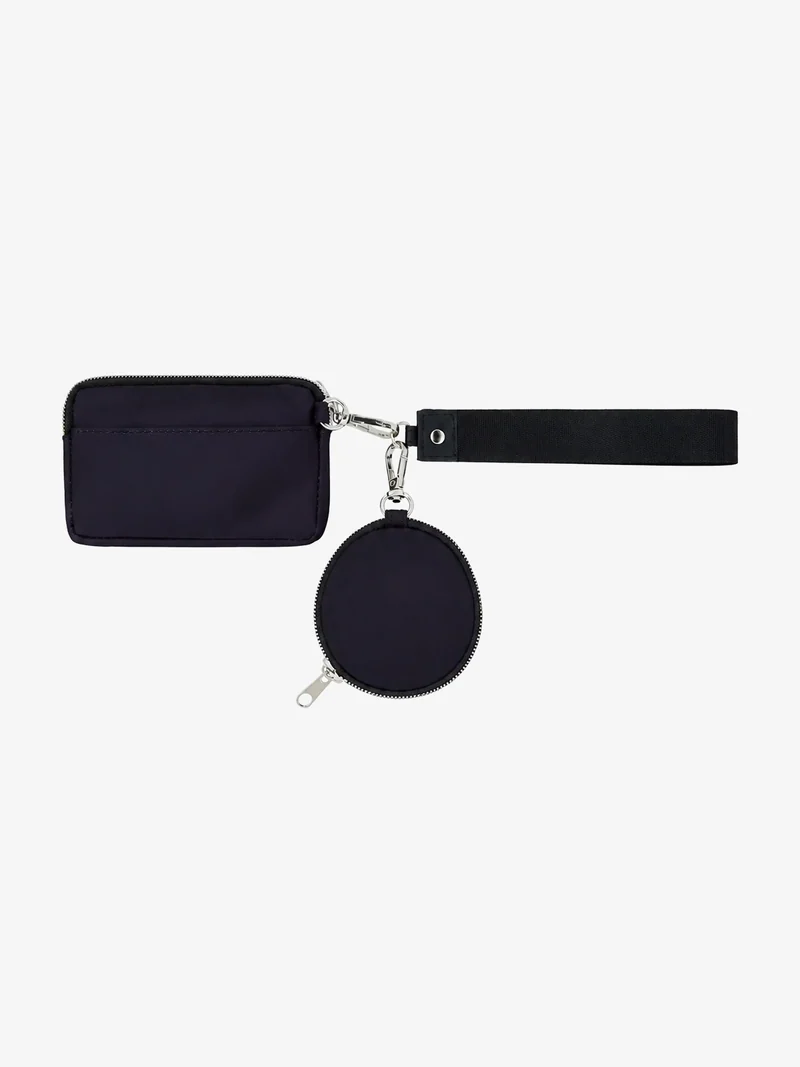
- Wristlet wallet
- A zip wallet or pouch with a wrist strap, used on its own as a tiny bag. Example: wristlet set with a zip card pouch.
- Clutch wallet
- A large flat wallet, often with a snap or zip closure, that doubles as a small clutch bag.
- Phone wallet
- A wallet sized to hold a phone as well as cards and notes, sometimes on a crossbody strap. Example: phone pouch.
- Coin purse
- A small pouch for coins, closed by a zip or a metal kiss-lock frame; often sold as a set with a larger wallet. Example: round coin pouch in a wristlet set.
- Travel (passport) wallet
- A long wallet that holds a passport, boarding pass, cards and two currencies, often with a zip.
Types of wallets for men and for women
Men’s ranges are built around pocket carry: bifold, trifold, slim wallet, cardholder, money clip wallet and, for suits, a long breast-pocket wallet. Leather, embossed or debossed logos and dark colours dominate.
Women’s ranges are built around bag carry: zip-around wallets in long and compact sizes, cardholders, wristlets, clutch wallets and phone wallets, with more colour, prints, quilting and hardware.
The lines blur: cardholders and slim wallets now sell to everyone, and unisex ranges are common.
Wallet sizes and what has to fit
Wallets are designed around what goes in them. A standard payment card (ISO/IEC 7810 ID-1) measures 85.6 × 54 mm, so a card slot is usually cut a few millimetres wider. Banknotes decide the note section: a US dollar is 156 × 66 mm, and euro notes run from 120 mm (5 euro) to 147 mm (100 euro) wide; a bifold folds them once, a long wallet keeps them flat.
| Type | Typical closed size | Typical capacity |
|---|---|---|
| Cardholder | 10–11 × 7–8 cm | 4–8 cards, folded notes |
| Bifold | 11–12 × 9–9.5 cm | 6–12 cards, notes folded once |
| Trifold | 11–12 × 8–9 cm | 8–14 cards, receipts |
| Compact zip wallet | 11–13 × 9–10 cm | 6–10 cards, coins, folded notes |
| Long zip or long wallet | 19–20 × 9.5–10.5 cm | 10–16 cards, flat notes, phone in some designs |
What decides wallet quality
- Card-slot accuracy: slots must grip a card without being so tight they stretch or so loose cards slide out. This is the hardest detail to get right in sampling.
- Thickness: leather or PU layers are skived (thinned) where they overlap, or a full wallet becomes bulky.
- Edges: painted edges should be smooth and even; folded edges tight and straight.
- Materials: genuine leather, PU leather (standard or microfiber), coated canvas, nylon or recycled fabrics; RFID-blocking linings are an option for card wallets.
- Zip and hardware: smooth zips with secure pullers, and snaps or magnets that hold.
Wallets made for your brand
Both Connect5 factories make wallets: our Guangdong factory alongside handbags and cosmetic bags, and our Phnom Penh factory with a monthly wallet capacity of 50,000 pieces (see About Us). Browse wallets, cardholders and wristlets in the leather, fashion and kids collections, and read how private label orders work.
Questions buyers ask
What are the main types of wallets?
Bifold, trifold, slim or minimalist wallets, cardholders, money clip wallets, zip-around (continental) wallets, long wallets, wristlets, clutch wallets, phone wallets, coin purses and travel wallets.
What is the most common type of wallet for men?
The bifold, followed by slim wallets and cardholders, which have grown as people carry fewer cards and less cash.
What is a continental wallet?
A long zip-around wallet with card slots, note sections and usually a zipped coin pocket inside. It is a standard women’s wallet style.
What is the difference between a bifold and a trifold wallet?
A bifold folds once into two panels; a trifold folds twice into three, holding more cards but sitting thicker in a pocket.
How big is a standard card slot?
A payment card is 85.6 × 54 mm, so slots are cut slightly wider, typically around 90–95 mm, and sized in sampling so the card grips without stretching the slot.