Lunch bags
The kinds of lunch bag on the market, from kids’ insulated lunch boxes to lunch handbags for work, how the insulation and lining are built, the usual sizes, and what to check when you develop lunch bags for your brand.
On this page
Types of lunch bag
- Insulated lunch box
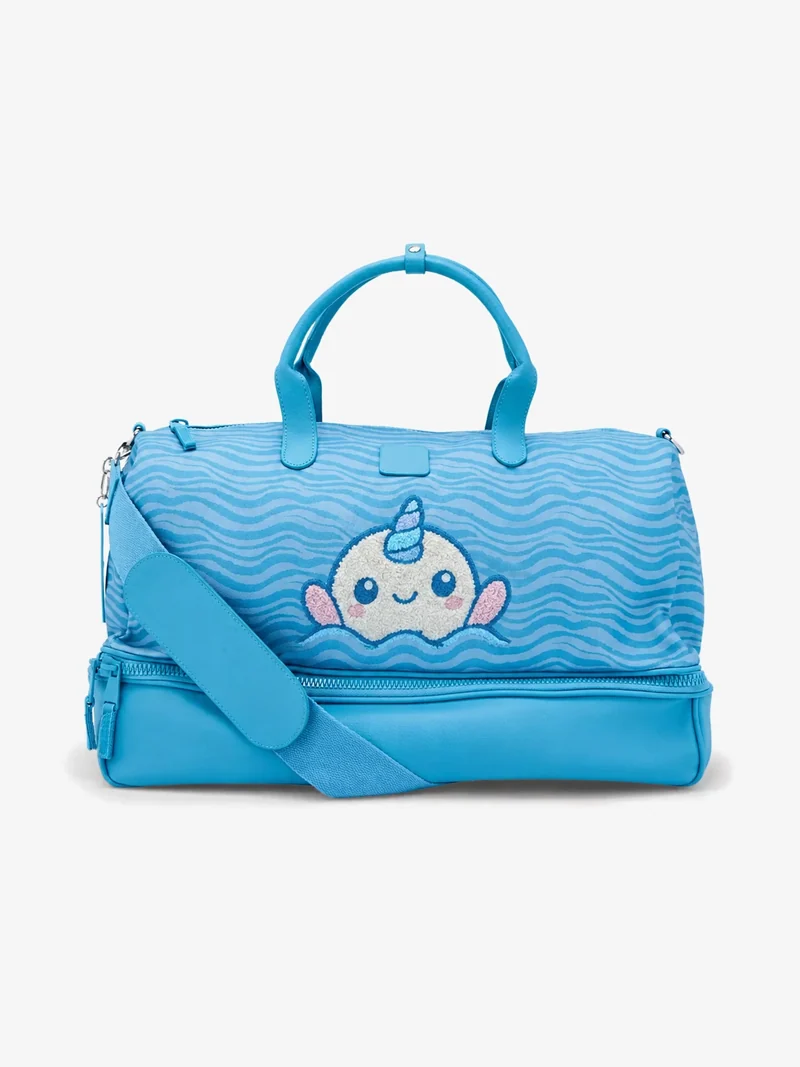
- A soft box shape with a zip around three sides that opens flat, a padded insulated body and a carry handle. The standard kids’ and school lunch bag.
- Lunch tote
- An insulated tote with two handles and a zip or drawstring top, roomy enough for containers stacked upright.
- Lunch handbag
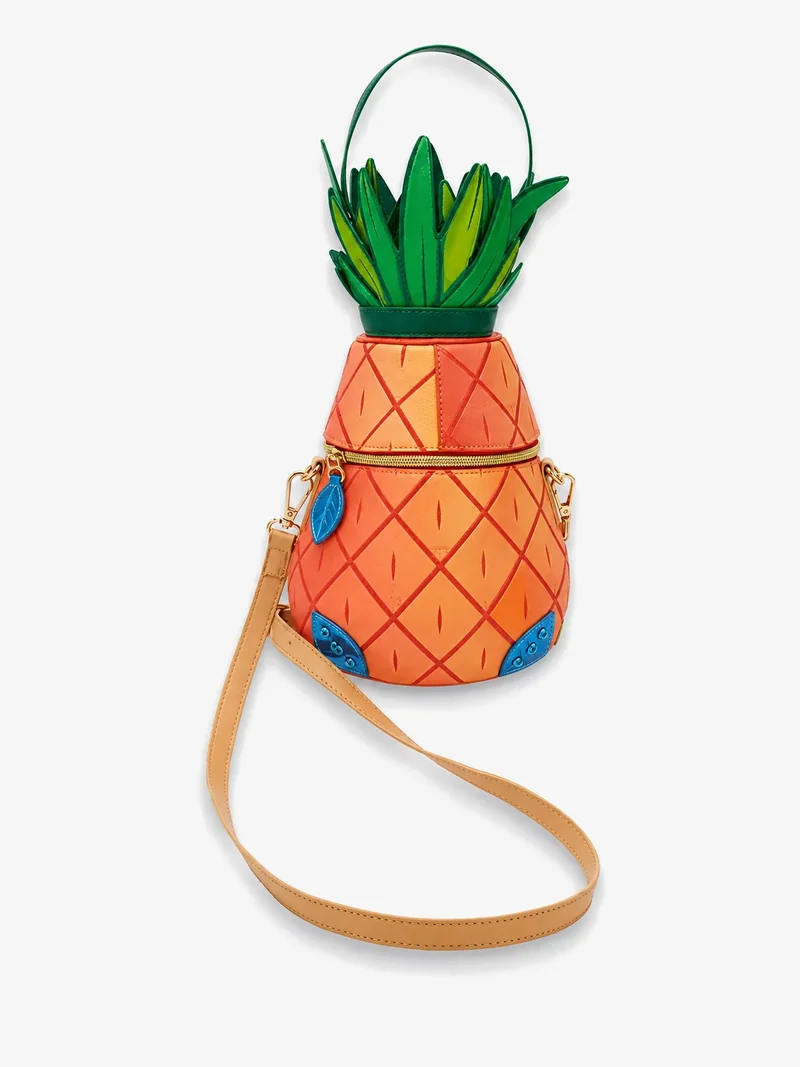
- An insulated lunch bag styled like a handbag or satchel, with a shoulder strap, top handle, quilting or a printed or faux leather finish, made to be carried to work alongside or instead of a handbag.
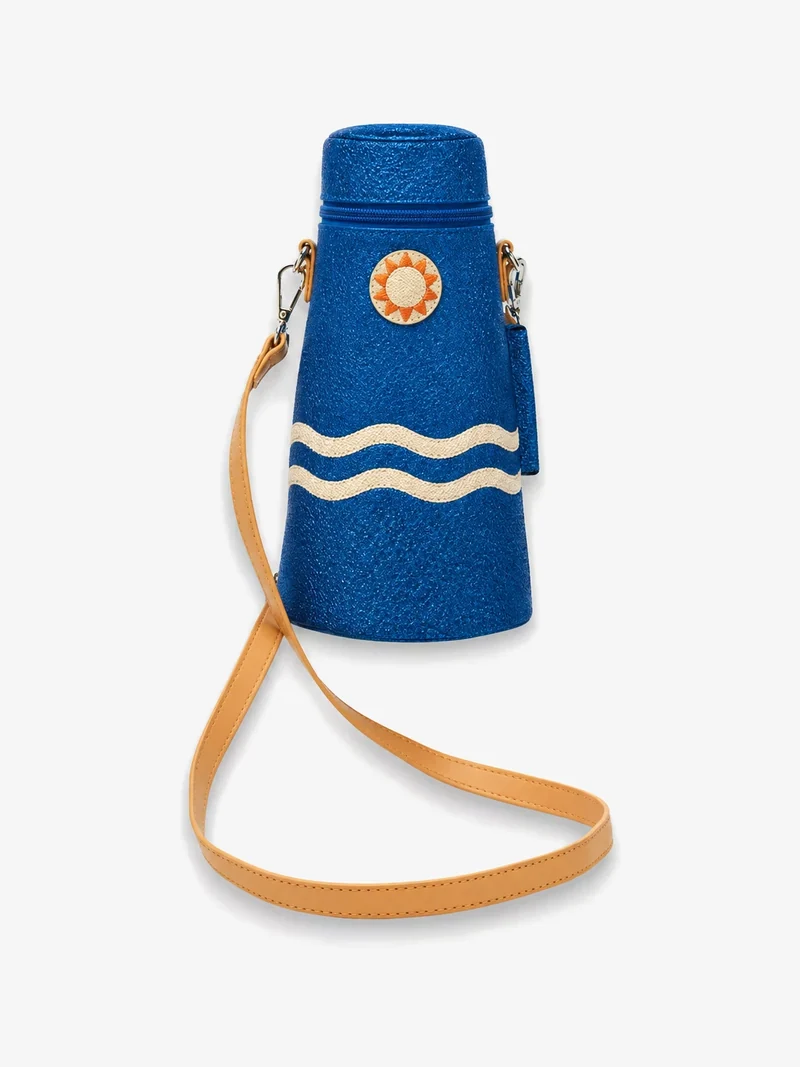
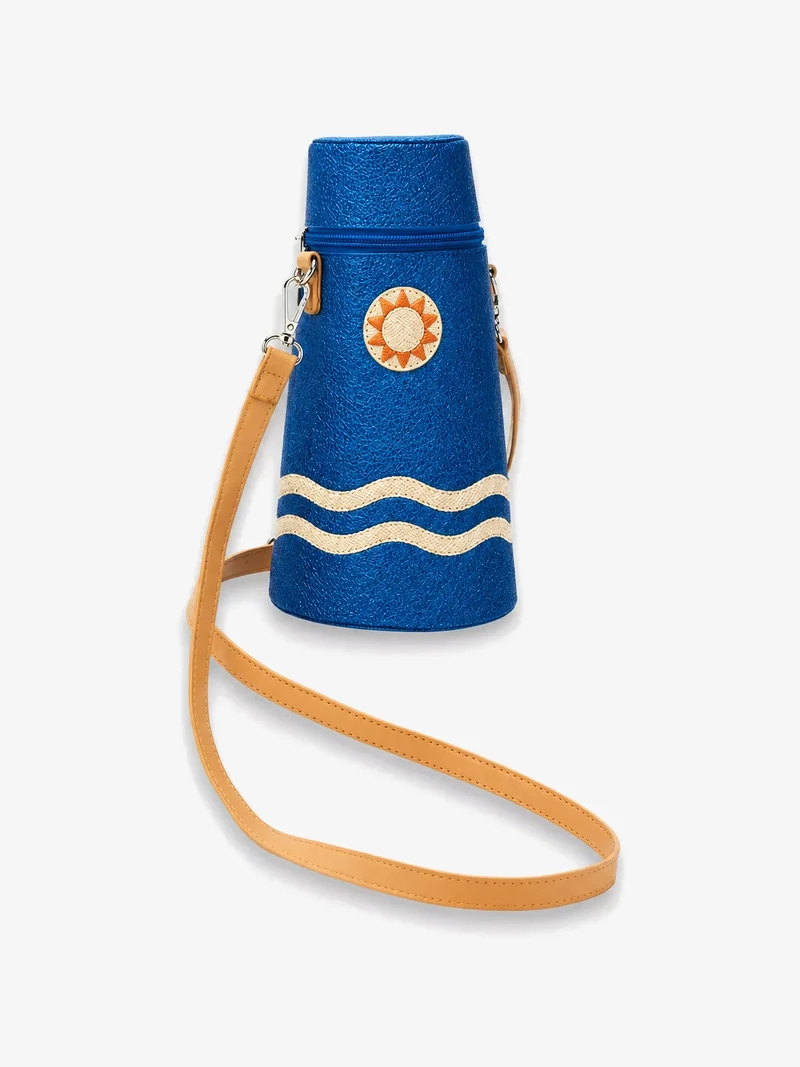
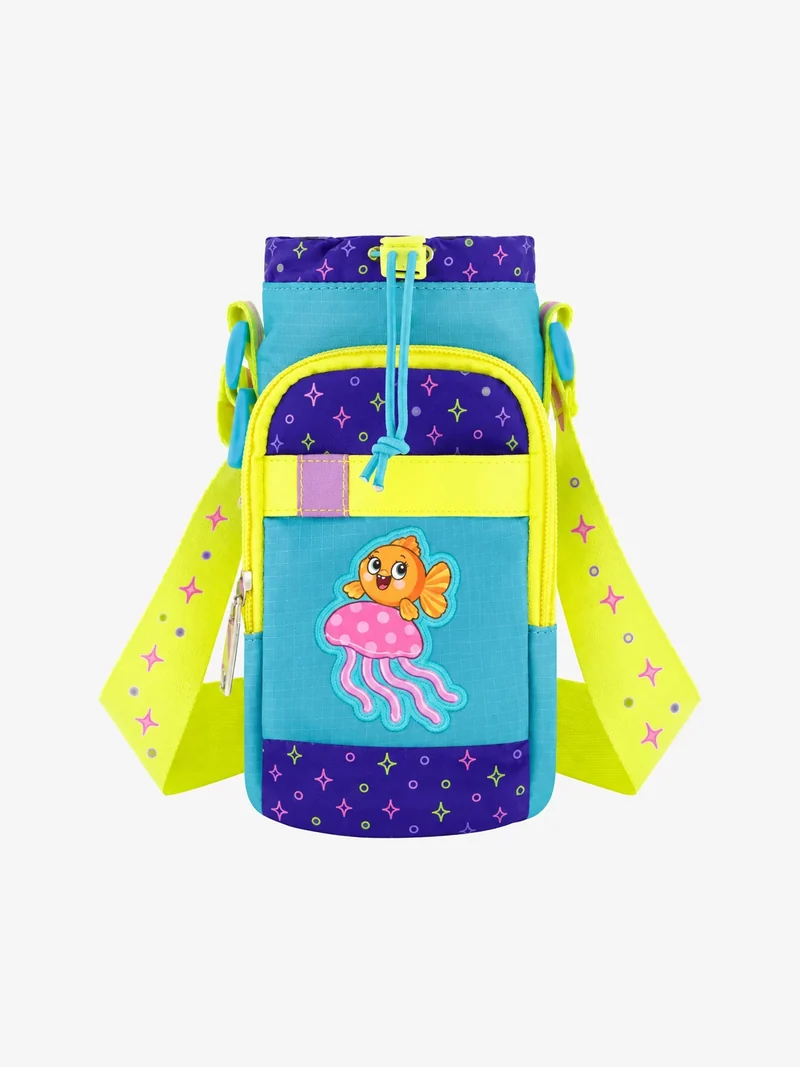
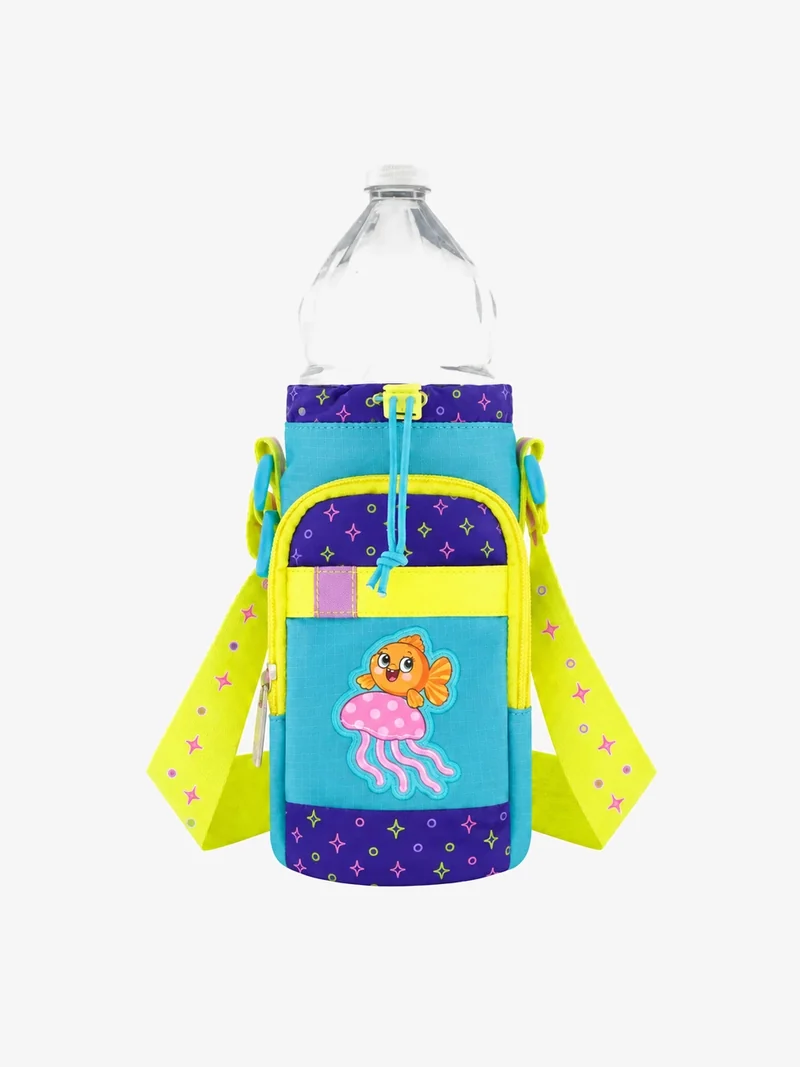
- Lunch bag with bottle holder
- An insulated bag with an outer sleeve or loop for a drinks bottle, popular for school. Related styles: kids’ bottle bag and floral bottle bag.
- Cooler bag
- A larger, thicker-walled insulated bag for several people, picnics or a full day out, often with a leak-proof liner.
- Bento or lunch box carrier
- A slim bag or wrap shaped around one rigid lunch box.
How lunch bag insulation works
An insulated lunch bag is a sandwich of three layers:
- Outer shell: polyester, nylon, cotton canvas, PU leather or a printed fabric; this layer carries the look and the logo.
- Insulation: usually closed-cell foam (EPE or EVA foam, about 3–8 mm thick). Thicker foam keeps food cool for longer but makes the bag bulkier.
- Lining: a wipe-clean inner layer, typically PEVA film or aluminium foil laminate, with taped or heat-sealed seams so spills stay inside.
A lunch bag only slows heat transfer; with an ice pack, a well-made bag keeps food cool for a few hours, which is why most food-safety advice is to pack one. Food never touches the lining directly in a well-packed bag, but brands selling in the US and EU usually still ask for linings that meet food-contact rules, such as FDA requirements in the US and Regulation (EC) No 1935/2004 in the EU, and for lead- and phthalate-free materials in children’s bags. Agree the tests with the factory at quote stage.
Lunch bag sizes
| Type | Typical size | Capacity |
|---|---|---|
| Kids’ lunch box | about 23 × 18 × 9 cm (9 × 7 × 3.5 in) | about 3–4 litres; a sandwich box, snack and small drink |
| Adult lunch box | about 26 × 20 × 13 cm (10 × 8 × 5 in) | about 6–7 litres; two containers |
| Lunch tote or lunch handbag | about 28 × 25 × 15 cm (11 × 10 × 6 in) | about 9–10 litres; stacked containers and a bottle |
| Cooler bag | about 35 × 25 × 25 cm and up | 15 litres and more |
Size the bag around the containers your customers actually use, measured with the lids on, and leave room for an ice pack.
Details that make a good lunch bag
- Wide opening: a zip around three sides lets containers go in flat.
- Sealed lining: taped or welded seams, and a lining that can be wiped or removed.
- Outer pockets: a mesh or zip pocket for cutlery, napkins or a name card for school.
- Carry options: a top handle for kids, a shoulder or crossbody strap for adults, or a trolley sleeve or clip to attach to a school backpack.
- Easy care: shells that can be sponged clean; see how to wash and clean bags.
Lunch bags in a bag range
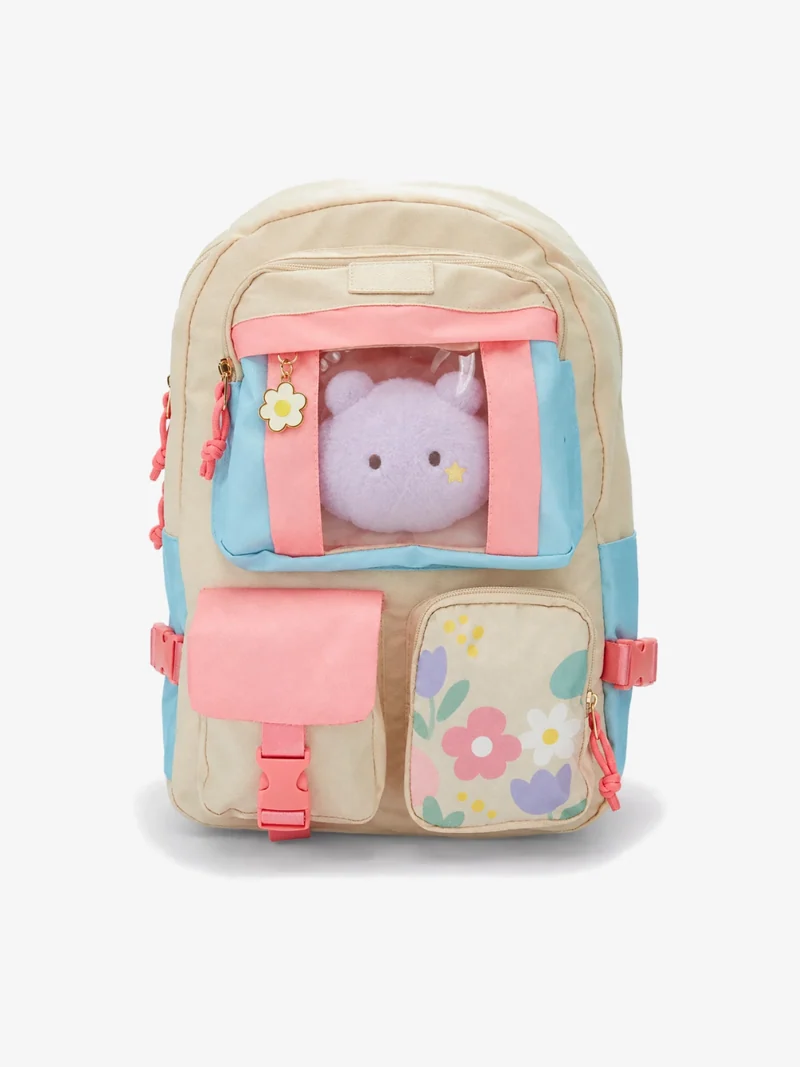
Lunch bags sell best as part of a set: a school backpack, pencil case and matching lunch box for back-to-school, or a lunch handbag that matches a work tote in an adult range. Prints, characters and colour stories carry across the set, so it pays to plan them together. Browse the kids’ bag and back-to-school backpack collections for prints and shapes to build a set around, and the fashion bags for lunch handbag looks.
To develop lunch bags with Connect5, email the type, size, shell fabric, insulation thickness, lining and the market you sell in, plus any tests your retailers require. A tech pack helps, and our sampling guide explains how samples are approved before production.
Questions buyers ask
What is the best material for a lunch bag?
A durable outer fabric such as polyester, nylon or canvas, closed-cell foam insulation of about 3 to 8 mm, and a wipe-clean PEVA or foil lining with sealed seams.
How long does an insulated lunch bag keep food cold?
A few hours with an ice pack, depending on foam thickness and the temperature outside. Without an ice pack, insulation only slows warming.
What size lunch bag do I need?
For a child, about 23 × 18 × 9 cm holds a sandwich box, snack and drink. Adults packing two containers usually need about 26 × 20 × 13 cm or a lunch tote.
What is a lunch handbag?
An insulated lunch bag designed to look like a handbag or satchel, with a strap or top handle and a fashion finish, so it can be carried to work.
Can lunch bags be washed?
Most can be wiped inside and sponged outside. Some fabric lunch bags tolerate a gentle cold wash; foam insulation should always be air dried.
What is an insulated lunch kit?
An insulated lunch bag sold with matching containers, an ice pack or a bottle, so the whole lunch packs together.